

State Senator James Skoufis represents a redder district than almost any other Democrat in Albany.

Hochul appears to have snubbed advocates, providers, and unions, while they try to figure out how serious she is about universal child care.
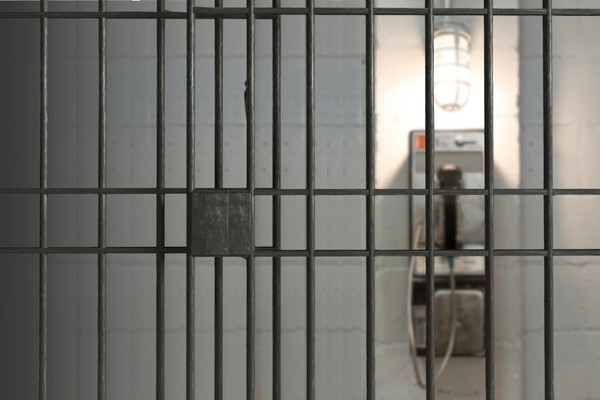
Some immigrants held in county jails are struggling to access legal advice, phone calls, and even their own court hearings.
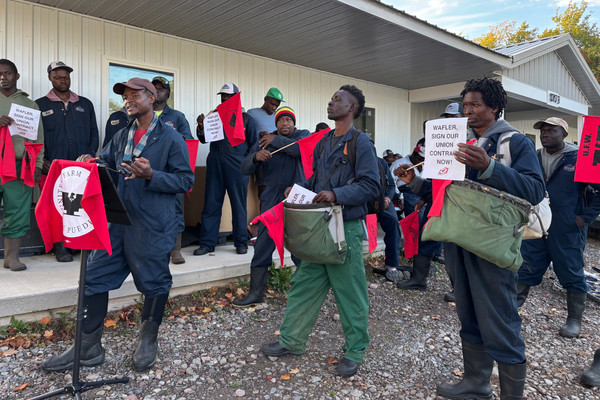
An entire season has come and nearly gone, and Wafler Farms still isn’t following its union contract.

So far this year, the state’s county jails have held six times more people for federal immigration authorities than they did in all of 2024.
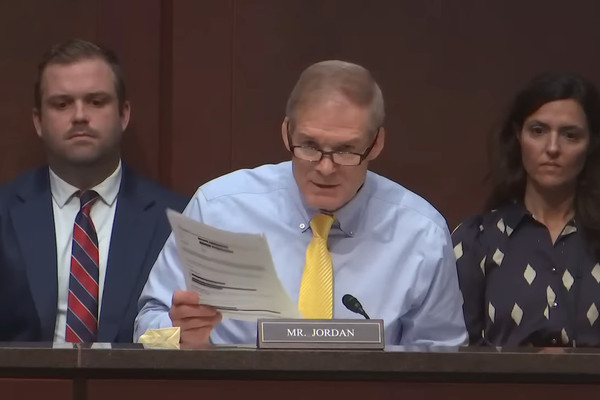
GOP Ohio Rep. Jim Jordan blasted New York sanctuary policies during a June congressional hearing. Newly obtained emails tell a different story.

There are 1,500 families on the program waitlist in New York City alone, new state data shows.
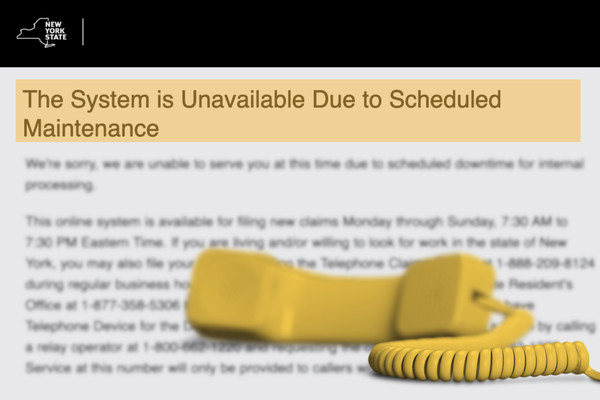
And the delays have gotten worse in recent months.

One week in June, only a third of the people who called the Labor Department’s unemployment help line reached a real person.

Four farms upstate won’t sign or follow contracts awarded by state-appointed arbitrators after bargaining stalled.
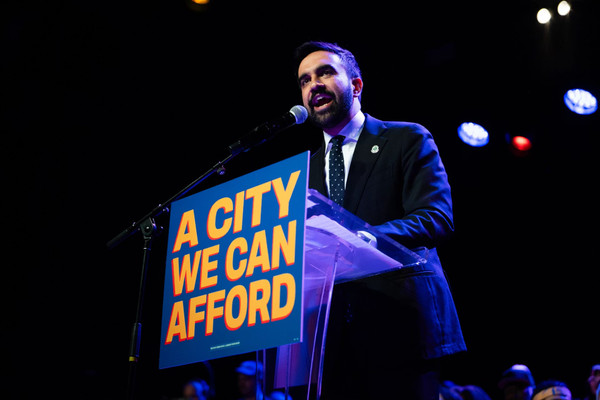
Mamdani’s plans for universal child care, fare-free transit, and affordable housing rely on Albany getting on board.
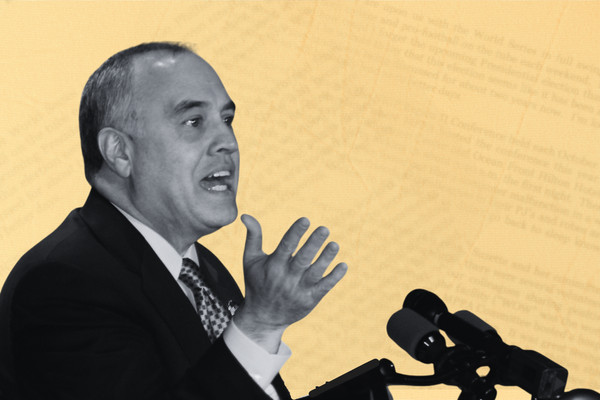
Letters show how the state’s pension funds are enforcing new labor standards for private equity.

Four lobbying groups representing Wall Street firms are trying to block the bill from passing in the final days of the legislative session.

Tens of thousands of NYC residents are sued every year for consumer debt. Many of them don’t know about it.

Collectors claim they serve people who don’t exist, yet regulators rarely bar repeat offenders from the industry.
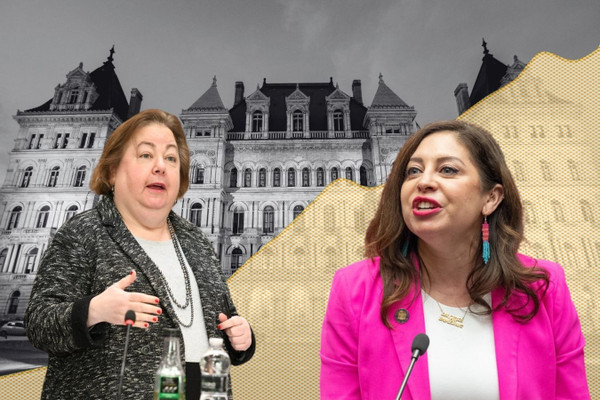
Half of sovereign bonds are issued under New York state law, giving Albany lawmakers the power to shape how countries around the world face off with creditors.

New York’s farm labor law was meant to transform life for agricultural workers. One apple farm shows how hard that may be.
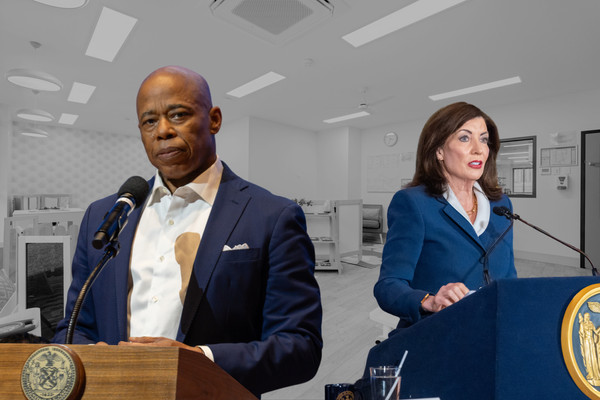
The state budget, finalized this week, increased the spending requirement on the city for the first time since the 1990s.
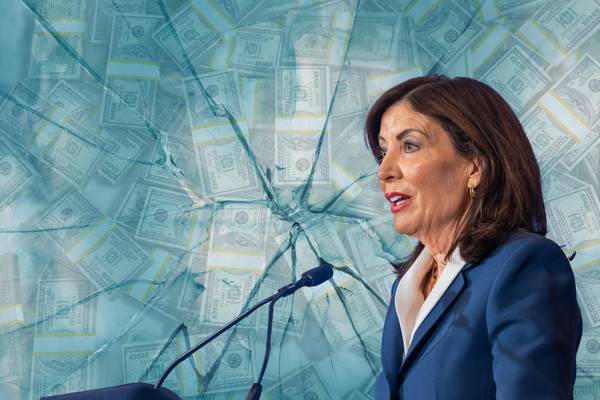
The state will spend $8 billion to pay off its debt to the feds and increase unemployment benefits for the first time in six years.
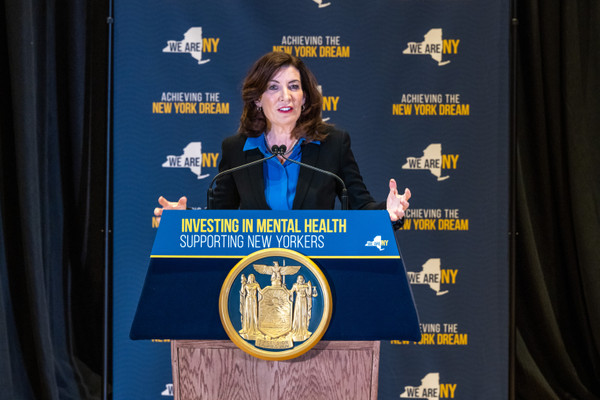
In some counties, the waitlist for state-funded mental health treatment programs can exceed two years.