Real-estate cash supercharges Rafael Salamanca’s ‘District Leader’ war chest.
Real-estate cash supercharges Rafael Salamanca’s ‘District Leader’ war chest. ·  View in browser
NEWSLETTER

Funding local news is more important than ever, and it will take a village to succeed. Join us in our work to rebuild local journalism as a pillar of democracy in New York.

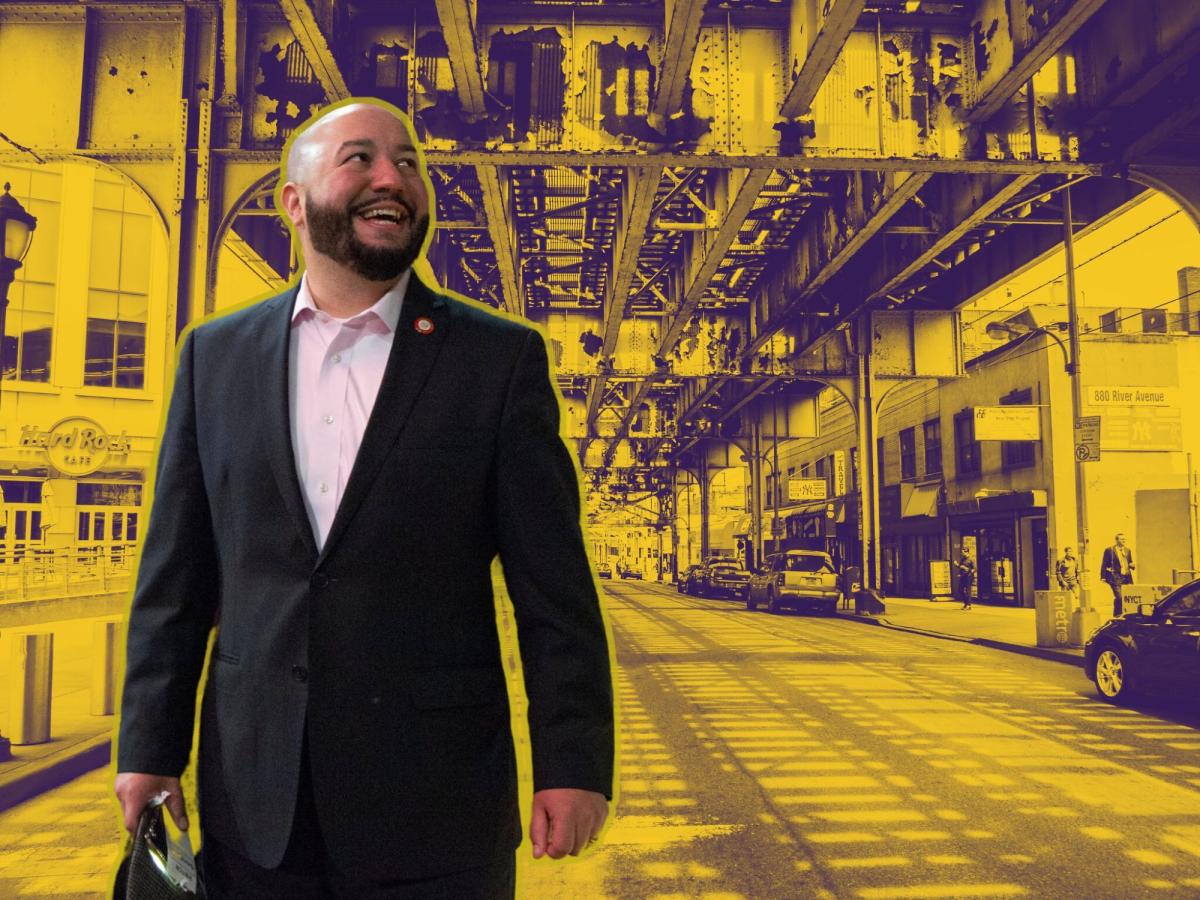
Over less than three years, NYC Councilmember Rafael Salamanca raised $244,000 into an obscure campaign committee, then spent those funds on restaurant bills, bar tabs, liquor store purchases, and his wife’s salary for her role as his campaign treasurer. Photos: Samuel Ioannidis, NYC Council / Flickr; Illustration by NY Focus
An expert calls the six-figure haul “extraordinary” for an unpaid party seat whose powers are picking judges, poll workers, and party officers.
By Chris Bragg

As chair of the New York City Council’s Land Use Committee, Rafael Salamanca has the power to determine whether development projects live or die — and it’s made him a magnet for campaign donations from the real estate industry.

Salamanca, who is now running for Bronx borough president, has long maintained a campaign committee for his city races — one that is bound by strict contribution limits for individuals doing business with the city, including developers.

But that’s not his only fundraising vehicle. A New York Focus investigation has found that Salamanca opened a second campaign committee in recent years — one which funds his campaigns for an unpaid position in the Bronx Democratic Party — that is subject to much looser rules.

Developers have donated the maximum allowed to his city campaign, then made much larger donations to the second committee — sometimes on the same day.

Over less than three years, Salamanca raised $244,000 through the second account, even though he’s never faced a challenge at the ballot box for the comparatively lowly post of district leader.

"That's an extraordinarily high amount to have in a district leader campaign chest,” said Sarah Steiner, an attorney and former chair of the election law committee for the New York City Bar Association. “It's an unpaid position.”

Salamanca then spent hundreds of thousands of dollars from the account to pay for restaurant bills, bar tabs, liquor store purchases, his wife’s salary for her role as his campaign treasurer, and other expenses.

Recent Stories

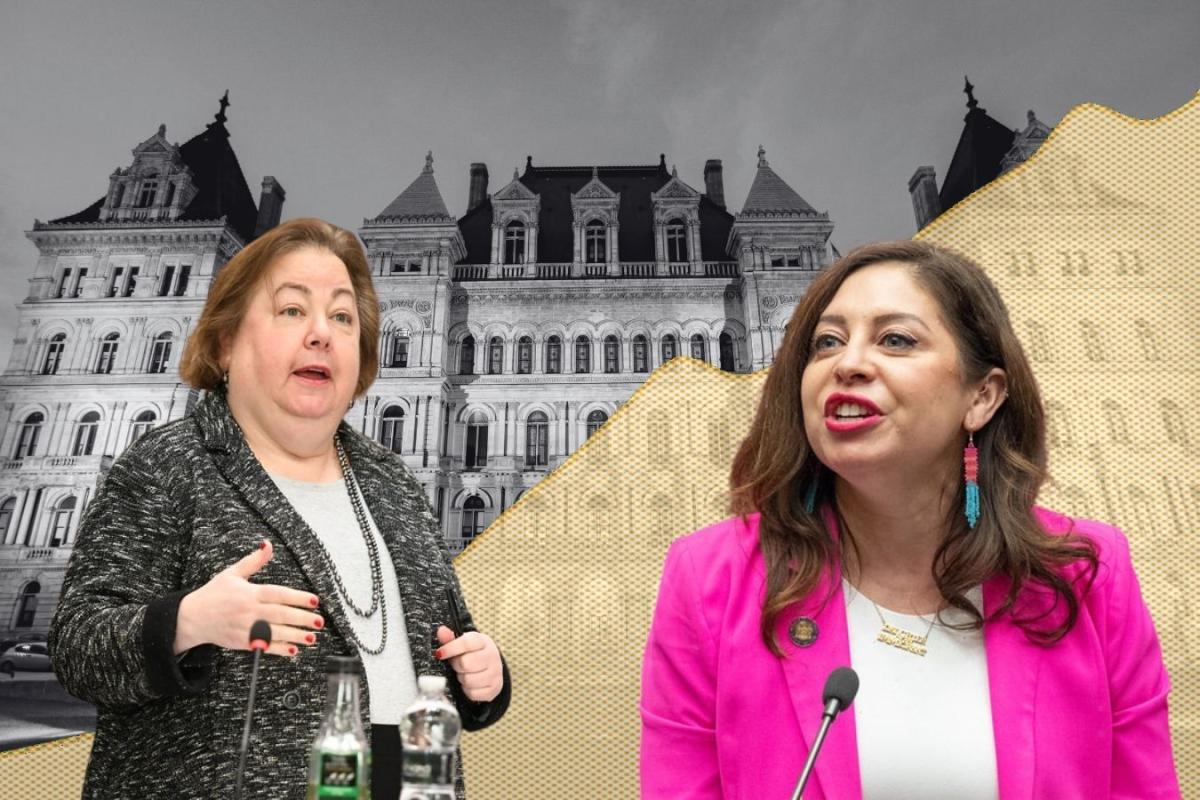
Senator Liz Krueger (left) and Assemblymember Jessica González-Rojas (right) sponsor legislation that could impact $800 billion in debt from developing countries. Illustration: New York Focus
Half of sovereign bonds are issued under New York state law, giving Albany lawmakers the power to shape how countries around the world face off with creditors.
By Julia Rock and Colin Kinniburgh

In 2017, Puerto Rico told its bondholders that it could no longer pay them and filed for the largest governmental bankruptcy in US history. Hurricane Maria hit the island months later, further devastating the territory.

“Our members came to us — their relatives were losing their pensions, schools were closing, hospitals were closing, they didn’t have enough money for food,” said Alicé Nascimento, political director at New York Communities for Change, a grassroots group that includes members of the Puerto Rican diaspora.

More Puerto Ricans live in New York than anywhere else outside the territory, except Florida, and they wanted to do something about the unfolding disaster. “They came to us and said, what is it that we can do to support Puerto Rico and stave off the worst of the crisis?” said Nascimento.

Her organization and others realized that, besides being home to more than a million Puerto Ricans, New York’s courts were hearing many of the lawsuits that hedge funds were bringing against the territory to get paid on the bonds they held.

About half of sovereign bonds — tens of trillions of dollars’ worth of debt held by countries around the world — are issued under New York state law. Countries issue the bonds to raise money for infrastructure or other public expenses, promising to repay the buyers later with added interest. In recent decades, some hedge funds have adopted strategies of buying distressed sovereign debt and then aggressively suing for repayment when countries default, often in New York courts.

Now, Albany is weighing a bill backed by New York Communities for Change and other progressive groups that seeks to rein in those investors — sometimes called “vulture funds” — by reviving an old defense against the lawsuits.

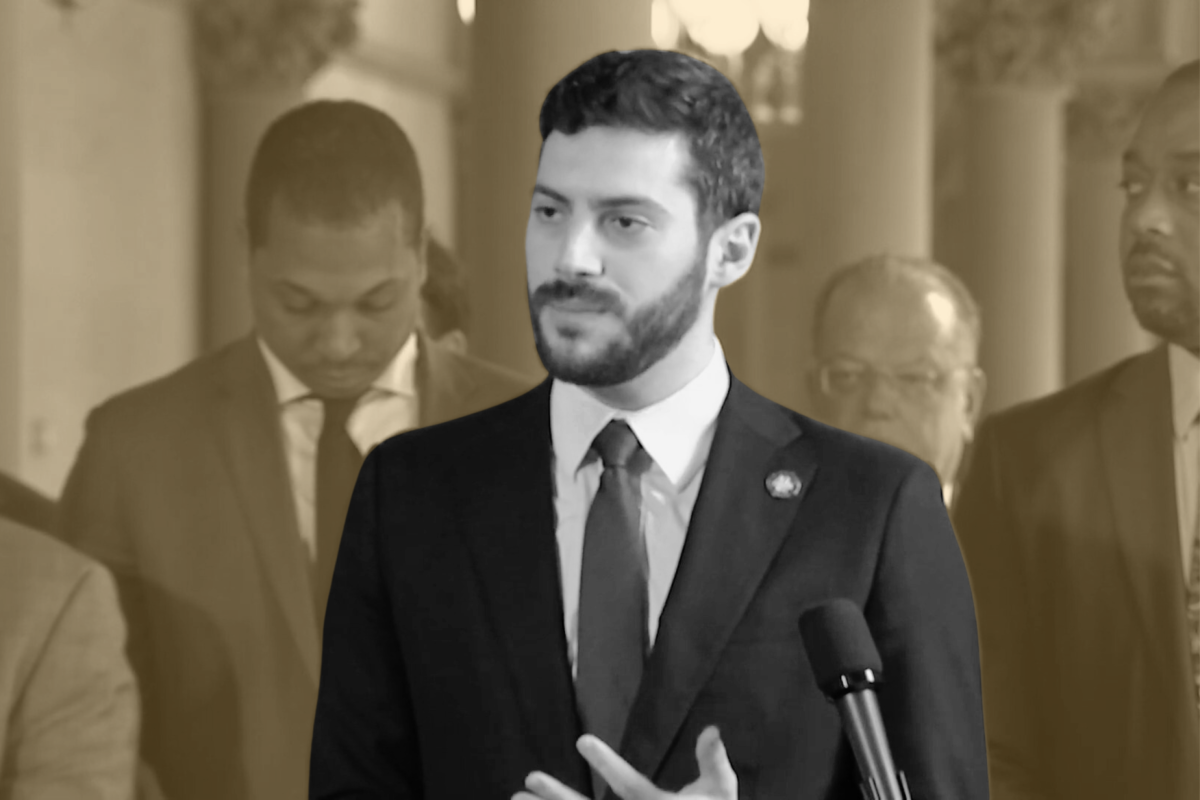
State Senator Brad Hoylman-Sigal and Assemblymember Alex Bores (pictured) are the two main sponsors of the Uncap Justice Act. Video still: Office of Assemblymember Alex Bores | Illustration: New York Focus
As courts buckle under hundreds of thousands of unresolved cases, a quiet fight is erupting in Albany over how — and where — to add more judges.
By Chris Bragg

New York’s justice system has a major problem with backlogs. People languish at Rikers Island and other jails, waiting for their trials. Civil cases drag on for years.

In the final days of the Albany legislative session, a proposed fix — a constitutional amendment to create an uncapped number of new state Supreme Court justice seats — is nearing the finish line, and it has broad and powerful support.

Yet it's facing fierce opposition from a surprising source — state Supreme Court justices, who routinely witness the consequences borne by the backlogs.

Nearly a third of rural hospitals in New York are at immediate risk of closing, according to the Center for Health Care Quality and Payment Reform. Maternity care is particularly vulnerable. Map: Ikonact / Wikimedia Commons; Photo: HCHMD / Flickr | Illustration: New York Focus
From nursing homes to Planned Parenthood clinics, rural health care in Upstate New York could collapse under proposed Republican budget changes.
By Clara Hemphill

New York's Adirondack region includes six million acres of protected wilderness, featuring mountains, rivers, and lakes beloved by hikers and canoeists. The Adirondack Park is a checkerboard of public and private land, with 105 villages and towns — some home to just a few hundred people — scattered across rugged terrain. Vacationers crowd the region in the summer. Skiers come in winter.

But the year-round population is small, declining, and aging. Many residents patch together part-time and seasonal jobs — work that doesn’t come with health insurance. Twenty-eight percent of the residents in the congressional district that includes the Adirondacks rely on Medicaid, the federal-state health insurance program for low-income people. Half of births and two-thirds of nursing home residents are covered by Medicaid.

John Rugge has spent half a century building a network of health clinics in the isolated villages and towns of New York’s Adirondack mountains. Now 80 years old, as most of his peers enjoy retirement, the locally celebrated outdoorsman and physician is organizing other rural doctors and community leaders in this strongly Republican part of the state to protect the health care system in the face of proposed cuts to Medicaid under debate in Congress.

Rugge says the federal cuts in health care spending — projected at $715 billion over the next 10 years — could have a devastating impact, not just on the New Yorkers who will lose insurance, but also on the rural hospitals, nursing homes, and clinics that rely on Medicaid payments.

Copyright © New York Focus 2024, All rights reserved.
Staying Focused is compiled and written by Alex Arriaga
Contact Alex at alex@nysfocus.com

Feedback? Tips? Pitches? Contact us at: editor@nysfocus.com

Support our work!

Interested in sponsoring these emails? Get in touch! Email editor@nysfocus.com.

This email was sent to *|EMAIL|*

unsubscribe from this list  ·  update subscription preferences

New York Focus · *|HTML:LIST_ADDRESS_HTML|* · USA