Prisoners seeking help from the AG’s office have little chance of review. Here’s one applicant’s story.
Prisoners seeking help from the AG’s office have little chance of review. Here’s one applicant’s story. ·  View in browser
NEWSLETTER
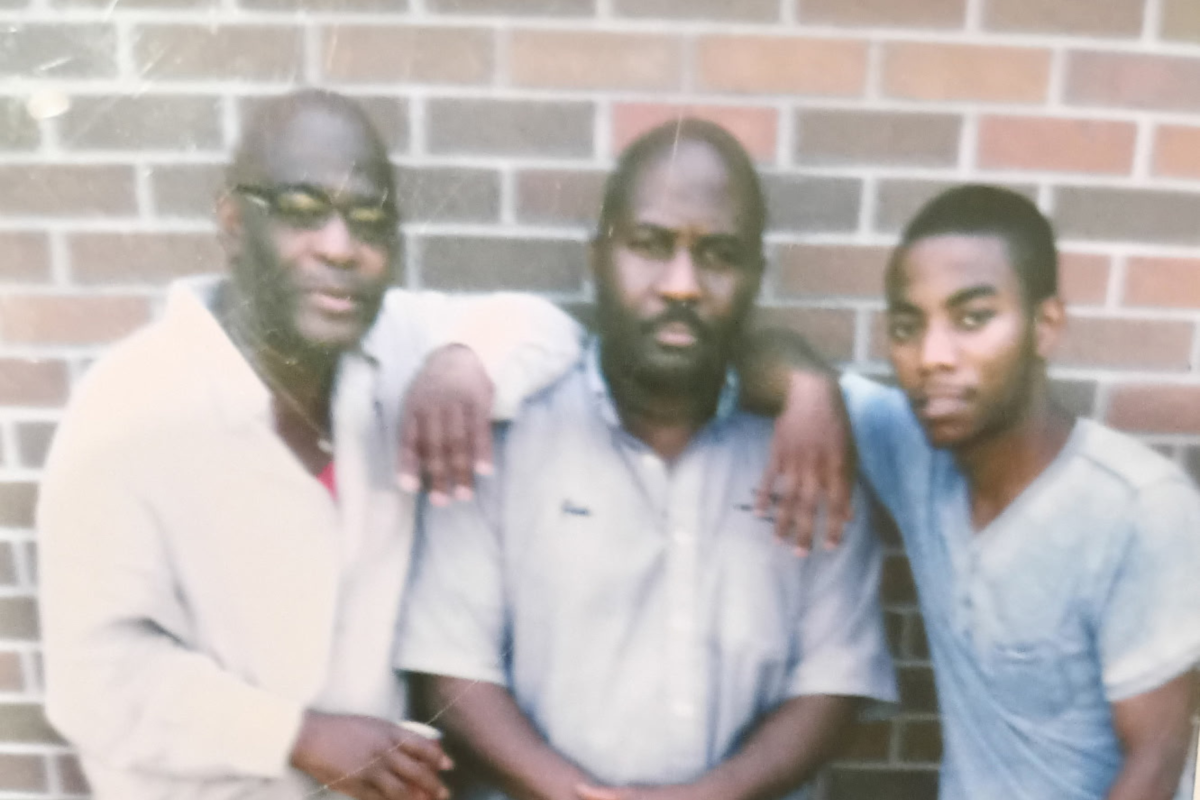
Alexander Reed (left) has spent 31 years behind bars for a murder he says he didn’t commit. Courtesy of Javon Reed
Prisoners seeking help from the AG’s office have little chance of review. Here’s one applicant’s story.
By Curtis Brodner

When the New York Attorney General’s conviction review bureau gets involved in someone’s wrongful conviction case, it often succumbs to pressure from the county prosecutors who originally landed them in prison. But in the vast majority of cases, the bureau doesn’t get that far. Instead, it acts as a mail forwarding service, passing cases on to the prosecutors who originally tried them.

That’s what happened to Alexander Reed.

Recent Stories

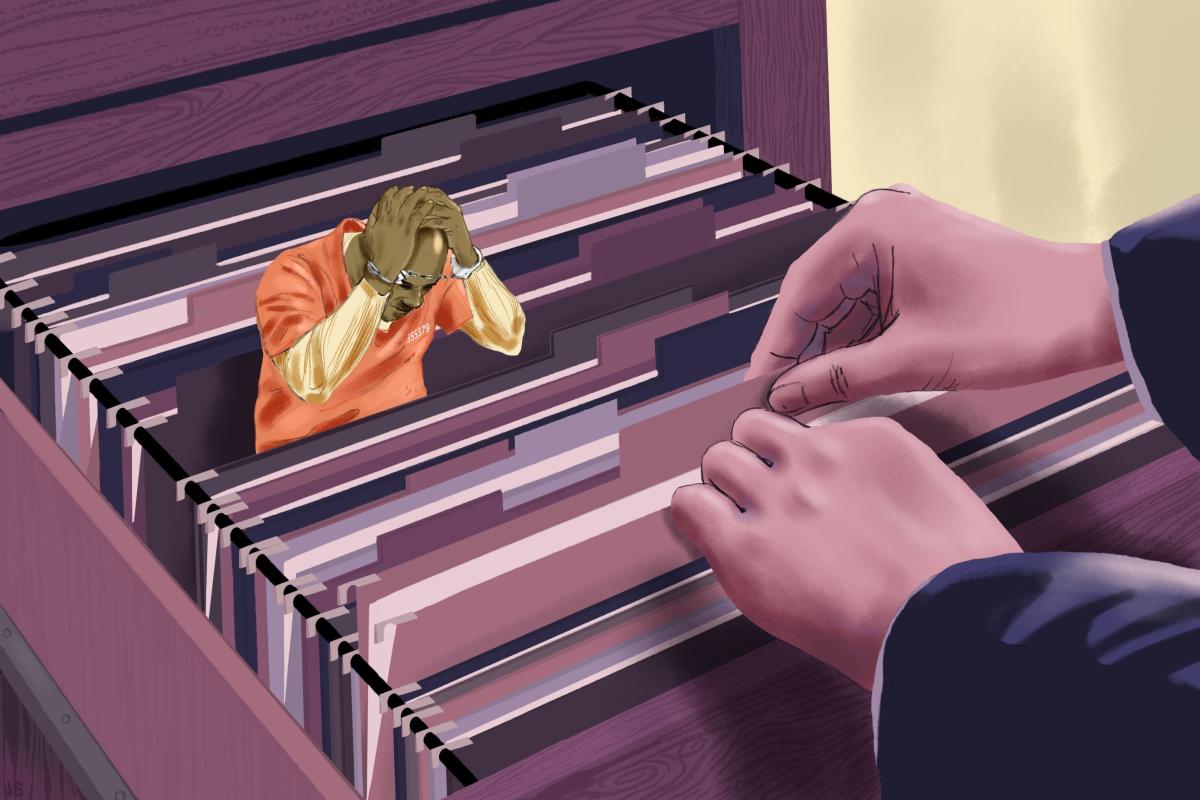
The New York AG conviction review bureau has rarely intervened in potential wrongful conviction cases, despite receiving hundreds of pleas from incarcerated New Yorkers. Jess Suttner/New York Focus
The attorney general’s conviction review bureau has investigated just a handful of innocence claims of the hundreds it’s received since 2012.
By Willow Higgins and Curtis Brodner

New Yorkers with wrongful conviction claims have limited options for getting their cases reviewed. In 17 counties, they can reach out to a local conviction integrity unit, or CIU — though New York Focus and Columbia Journalism Investigations found that the units often succumb to internal politics and fail to back credible claims. In the state’s remaining 45 counties, the attorney general’s statewide conviction review bureau is the only option.

Launched in 2012, the statewide bureau was billed as a landmark effort to combat wrongful convictions, acting when DAs’ offices lacked resources to do so themselves. Then-Attorney General Eric Schneiderman announced it would be well-staffed with prosecutors, defense attorneys, and investigators.

But for the most part, the bureau is a toothless initiative. Data, court filings, public records, and interviews reveal a department functioning more like a mail-forwarding service than a vehicle for justice reform. It’s rarely intervened in potential wrongful conviction cases, despite receiving hundreds of pleas from incarcerated New Yorkers.

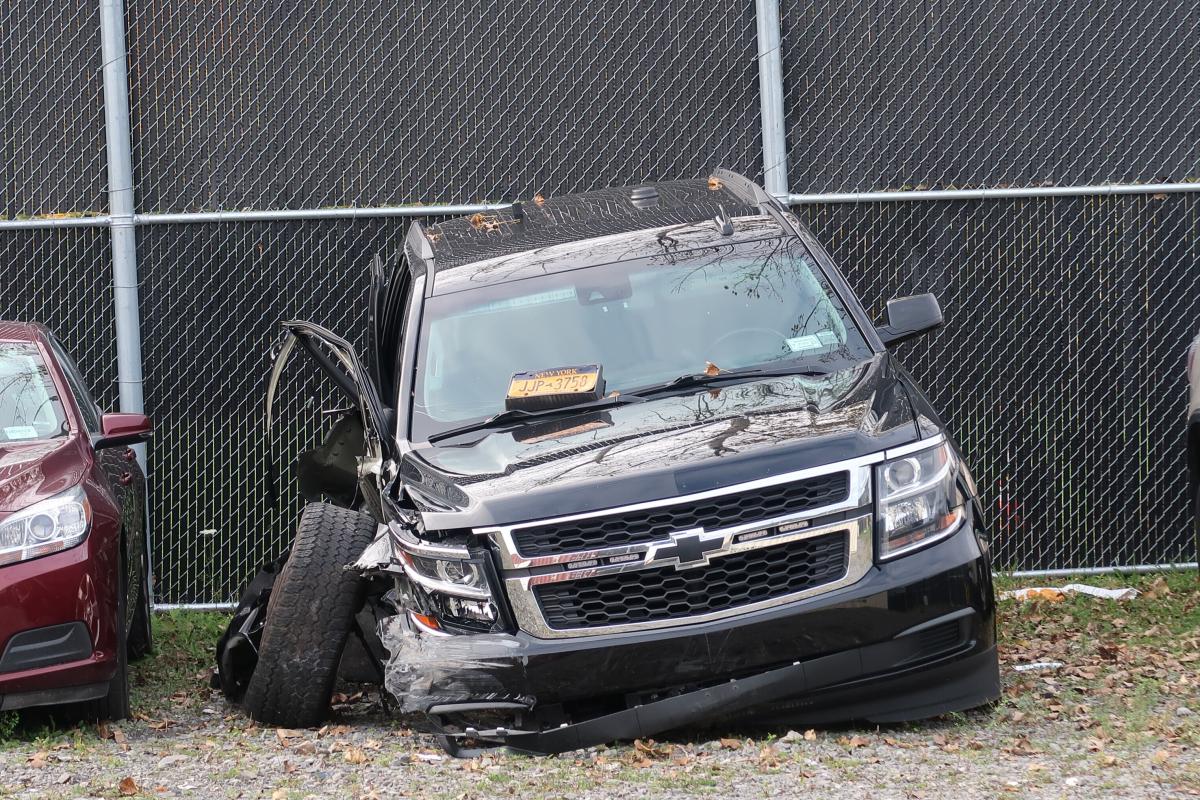
In 2021, Drew Forsythe, the chief of police in Greece, N.Y., drank at an awards gala and then crashed into a guardrail shortly before 1 a.m., according to disciplinary files. Will Cleveland/Democrat and Chronicle
Officers in New York State crashed their official vehicles, hit other motorists and arrived to work reeking of alcohol. And yet, they sometimes evaded criminal punishment, an investigation found.
By Sammy Sussman

This article was published in partnership with The New York Times.

An Orchard Park police officer found the man in the shoulder of a six-lane road, standing near his crumpled black BMW, arguing with his girlfriend.

It was 11 p.m. on a Saturday in 2021, in the suburbs of Buffalo. The BMW had slammed into a Jeep, smashing its left taillight. White high heels were toppled on their sides on the pavement, outside the BMW’s passenger door.

The man’s speech was slurred and his gait was unsteady, the officer, Andrew J. Kowalski, would later note in a report. His eyes were glassy, and he smelled strongly of alcohol.

The officer asked who had been driving. The couple looked at each other.

“We’re State Police,” the woman said. Her boyfriend, Ronald W. Wilson, was an off-duty investigator and had the identification to prove it.

The investigation has so far obtained records regarding 235 departments collectively containing over 8,000 sworn officers, according to state data. Emily Berl for The New York Times

The New York Times and New York Focus gathered thousands of files from around half of New York State’s nearly 500 law enforcement agencies.
By Sammy Sussman

In the immediate aftermath of George Floyd’s killing at the hands of Minneapolis police officers in 2020, New York State repealed a law that for decades kept the disciplinary records of its police officers secret.

New York Focus and The New York Times have since gathered over 10,000 such files from around half of New York State’s nearly 500 law enforcement agencies. The documents, most of which are from the past 10 years, provide a window into how some officers at the state, county and local levels have avoided accountability in court despite relatively clear evidence that they broke the law.

Copyright © New York Focus 2024, All rights reserved.
Staying Focused is compiled and written by Alex Arriaga
Contact Alex at alex@nysfocus.com

Feedback? Tips? Pitches? Contact us at: editor@nysfocus.com

Support our work!

Interested in sponsoring these emails? Get in touch! Email editor@nysfocus.com.

This email was sent to *|EMAIL|*

unsubscribe from this list  ·  update subscription preferences

New York Focus · *|HTML:LIST_ADDRESS_HTML|* · USA