We asked our reporters about their most interminable records requests.
We asked our reporters about their most interminable records requests. ·  View in browser
NEWSLETTER

Funding local news is more important than ever, and it will take a village to succeed. Join us in our work to rebuild local journalism as a pillar of democracy in New York.

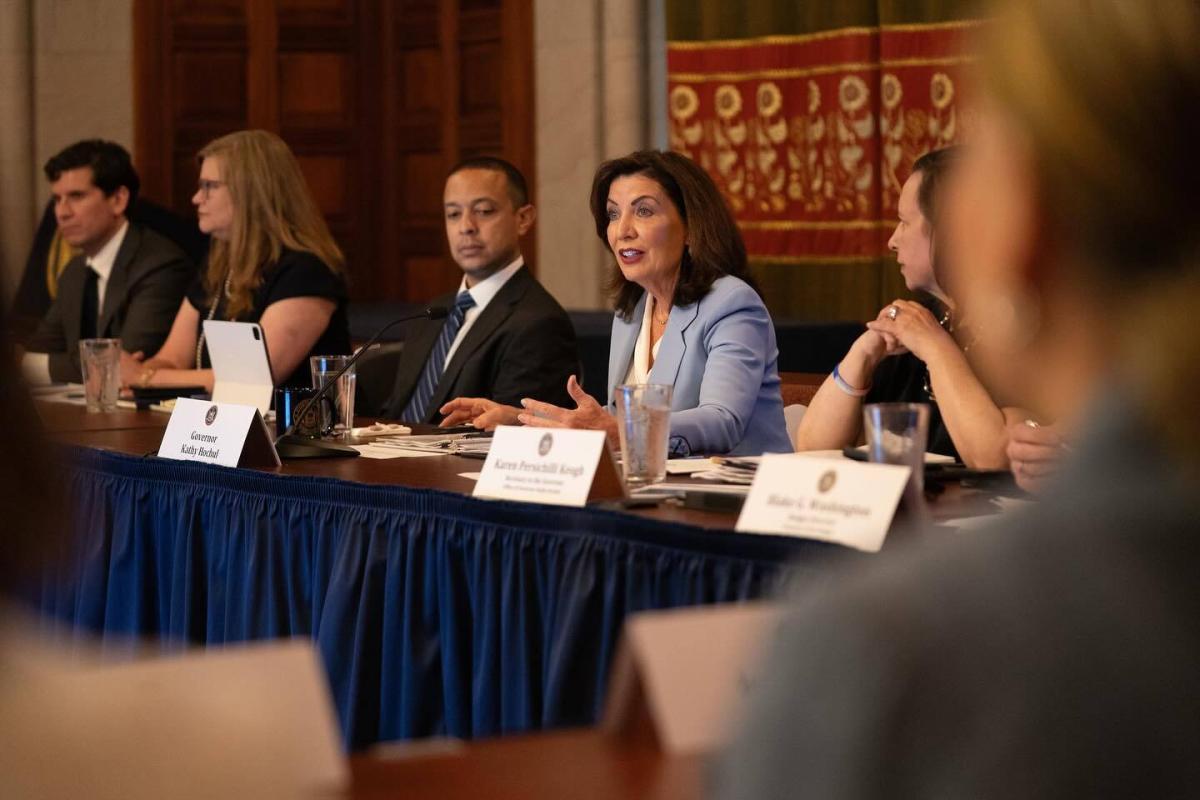
Governor Hochul promised a “new era of transparency” when she first became governor. Office of the Governor
Governor Hochul vetoed a measure to speed up New York’s public records process, which is among the slowest in the nation. We asked our reporters about their most protracted records requests.
By New York Focus

When Kathy Hochul took over as governor in 2021, she promised a more transparent, more responsive state government. In her first major speech as chief executive, she vowed to usher in a “new era of transparency,” including by facilitating an “expedited process” to more promptly fulfill public records requests under the state’s Freedom of Information Law.

It was a niche topic for a debut speech, but important for government accountability: FOIL, which allows members of the public to request unpublished records from state and local government agencies, is one the main ways that journalists, advocates, and other watchdogs ensure that New York officials don’t evade public scrutiny. Each state has a version of the law, but New York is among the slowest to fulfill requests.

Four years later, Hochul has pursued some transparency initiatives, — but still hasn’t come through on her promise to expedite New York’s notoriously slow FOIL system. This year, the state legislature tried to pick up the slack, passing a bill that would tighten the deadlines that agencies must meet in responding to FOIL requests — but this month, Hochul vetoed it.

Recent Stories

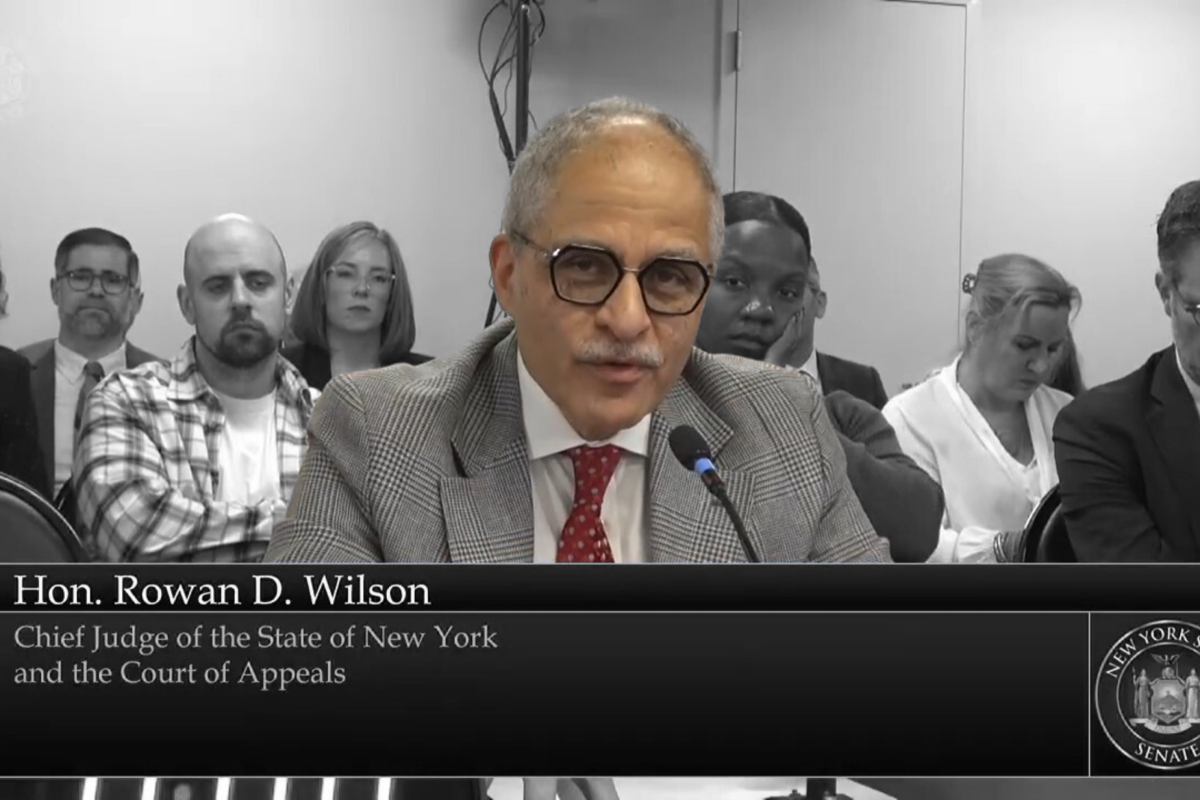
With support from the Court of Appeals Chief Judge Rowan Wilson and a growing number of Democratic state lawmakers, the Treatment Court Expansion Act may have a fighting chance in next year’s legislative session. Screenshot: New York state Senate
Statewide diversion courts could keep thousands out of jail, but they’ll need more investments in treatment to succeed.
By Eliza Fawcett

After his mother died in 2022, Selwyn Bernardez spiraled into a grief- and drug-induced psychosis, roaming the New York City subway system with a samurai sword. He struck a panhandler, landing him on Rikers Island for six months he described as “hell on Earth.”

Then something unusual happened. His public defender secured him a spot in the Manhattan Felony Alternative-to-Incarceration Court, a diversion program that allowed him to enter comprehensive treatment and ultimately see his felony assault charge dropped. He spent a year in intensive therapy, attending recovery meetings, and completing regular court check-ins. When he graduated from the program last year, he was working again and had rebuilt family relationships, he testified at a state Senate hearing last week.

Courts around the state have set up similar programs to allow people with mental illnesses and substance use disorders to enter treatment when facing certain criminal charges, typically in exchange for a guilty plea, as an alternative to jail or prison time. But they reach just a fraction of the people who might benefit from them.

Tell us about your experience with diversion courts in New York

Reporter Eliza Fawcett is taking a closer look at statewide diversion courts. Do you have experience with mental health courts or other diversion courts in New York? Reach out out to her: fawcett.eliza@gmail.com.

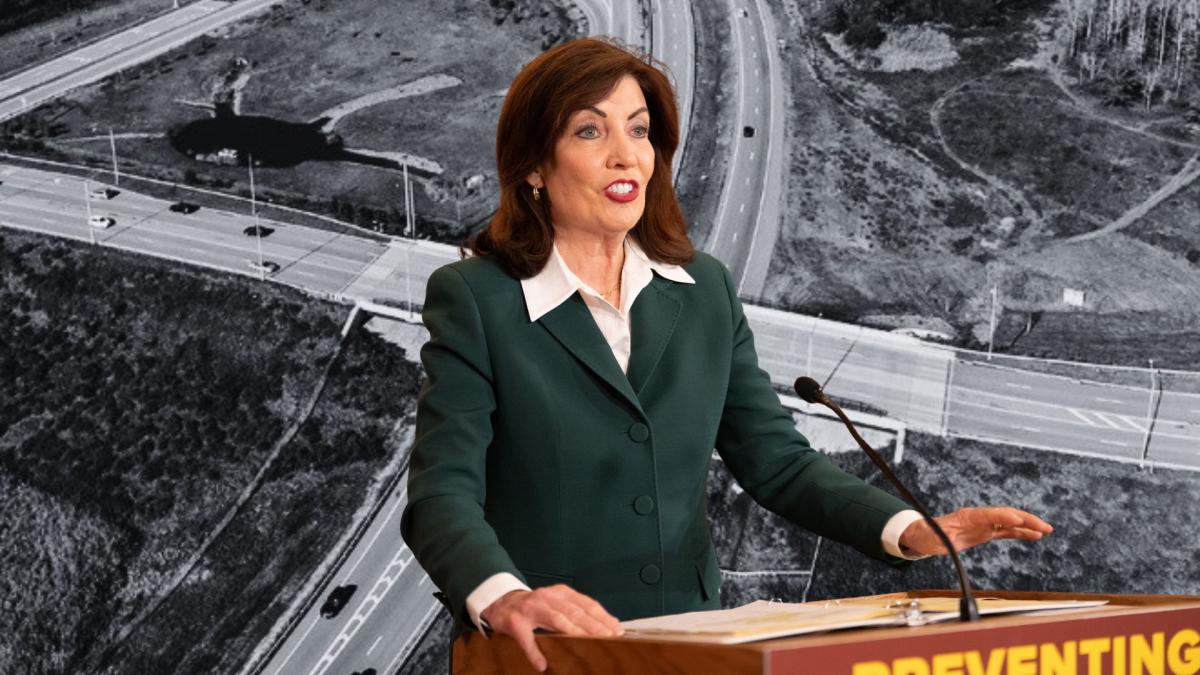
The Hochul administration has directed billions of dollars towards highway expansions. Photos: Governor's Office | Illustration: New York Focus

Reporting from New York Focus last year found that the project would save drivers six minutes max, at a cost of $1.3 billion.
By Sam Mellins

A controversial highway expansion in the Hudson Valley has been delayed after pushback from transportation planners and environmentalists, who argued that it isn’t necessary and would harm the local environment.

The long-planned project, which Governor Kathy Hochul has championed, would expand a 30-mile stretch of highway in New York’s Orange and Sullivan counties, about 60 miles northwest of New York City. Last year, New York Focus reported that the project would cost the state at least $1.3 billion and save drivers just one to six minutes.

Sierra Johnson and her teenage daughter Courtesy of Sierra Johnson
Johnson was one of roughly 1,600 women to sue the state under the Adult Survivors Act alleging they were sexually assaulted in state prisons.
By Jessy Edwards

This past May, Sierra Johnson — a Native American woman who sued the State of New York in 2023 alleging she was repeatedly sexually assaulted by prison staff while held in two different upstate prisons — phoned me from her hospital bed in Burlington, Vermont.

Johnson, 36, had been diagnosed with end-stage heart failure and was recovering from a two-week stay in intensive care after a heart attack. Her voice shook and cracked over the line as she told me her story, saying she wanted to speak up for the roughly 1,600 women who sued the state in 2023 under the Adult Survivors Act, alleging they were sexually assaulted in state prisons.

Johnson, a resident of the Mohawk Nation at Akwesasne, periodically apologized for her anxiety or emotions. When I asked if she wanted to stop or take a break, she refused. “This is something that is empowering me to continue to live,” she said.

Copyright © New York Focus 2024, All rights reserved.
Staying Focused is compiled and written by Alex Arriaga
Contact Alex at alex@nysfocus.com

Feedback? Tips? Pitches? Contact us at: editor@nysfocus.com

Support our work!

Interested in sponsoring these emails? Get in touch! Email editor@nysfocus.com.

This email was sent to *|EMAIL|*

unsubscribe from this list  ·  update subscription preferences

New York Focus · *|HTML:LIST_ADDRESS_HTML|* · USA