Unions want state leaders to sweeten their retirement packages. What would it cost, and what would it achieve?
Unions want state leaders to sweeten their retirement packages. What would it cost, and what would it achieve? ·  View in browser
NEWSLETTER
Unions want to roll back Cuomo-era changes to the pensions of state government employees. Darren McGee/Office of Governor Kathy Hochul
Unions want state leaders to sweeten their retirement packages. What would it cost, and what would it achieve?
By Sam Mellins

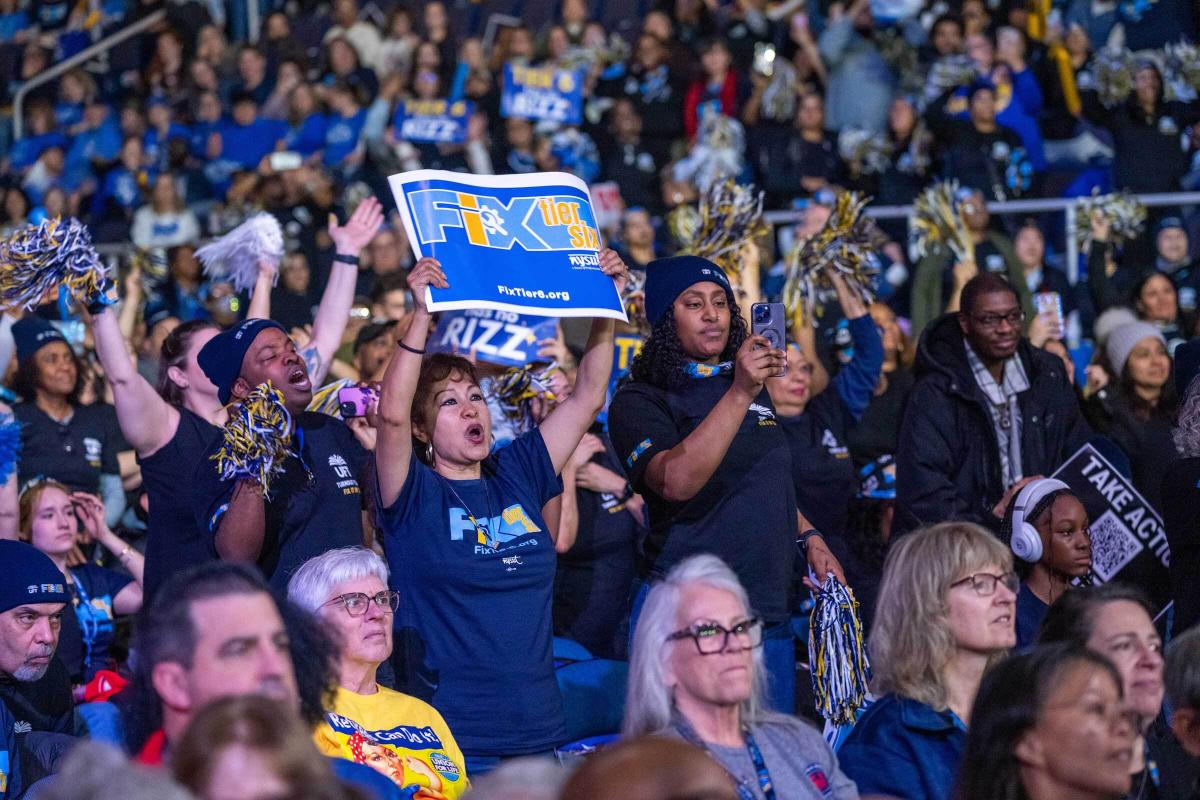
If you were in Albany on March 8, you might have felt the ground shake under your feet as 15,000 public sector union members chanted: “Fix Tier 6!”

It’s a cry for state leaders to boost the pensions of government employees. In 2012, the state created a new pension plan, called “Tier 6,” that had less generous benefits and required more years of work compared to previous plans. Then-Governor Andrew Cuomo claimed the change would save state and local governments $80 billion over three decades.

Now, New York’s top unions want to roll back those changes. They argue it would help keep workers in the public sector, but it won’t come cheap: In dollar terms, it could end up being one of the biggest decisions made in this year’s budget.

The campaign has emerged as a major issue in negotiations around the state budget, which is due on April 1. Here’s what you need to know.

Recent Stories

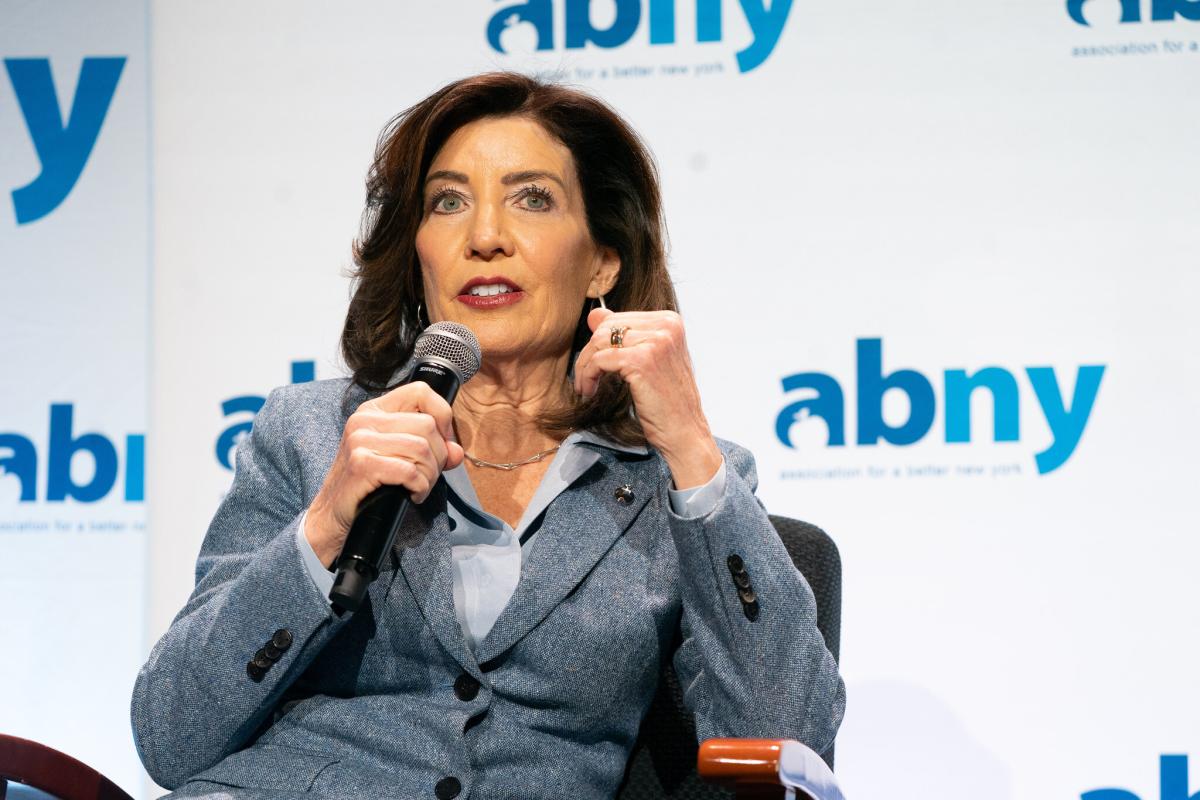
Governor Hochul at an event on March 19 Photo: Office of Governor Kathy Hochul
Under the governor’s proposal, the most concrete deadline for climate action would be pushed out to the end of her potential second term.
By Colin Kinniburgh

On Friday, Governor Kathy Hochul finally unveiled the changes she wants to make to New York’s flagship climate law, after months of waffling.

The core of Hochul’s proposal is to push back the law’s first big deadlines for emissions reductions. The 2019 law requires New York to cut emissions 40 percent from 1990 levels by 2030. And it required the state environmental agency to issue regulations by the start of 2024 to achieve those cuts.

Hochul’s administration failed to do so, and was given an ultimatum of sorts by a judge last October: Issue the rules, or change the law.

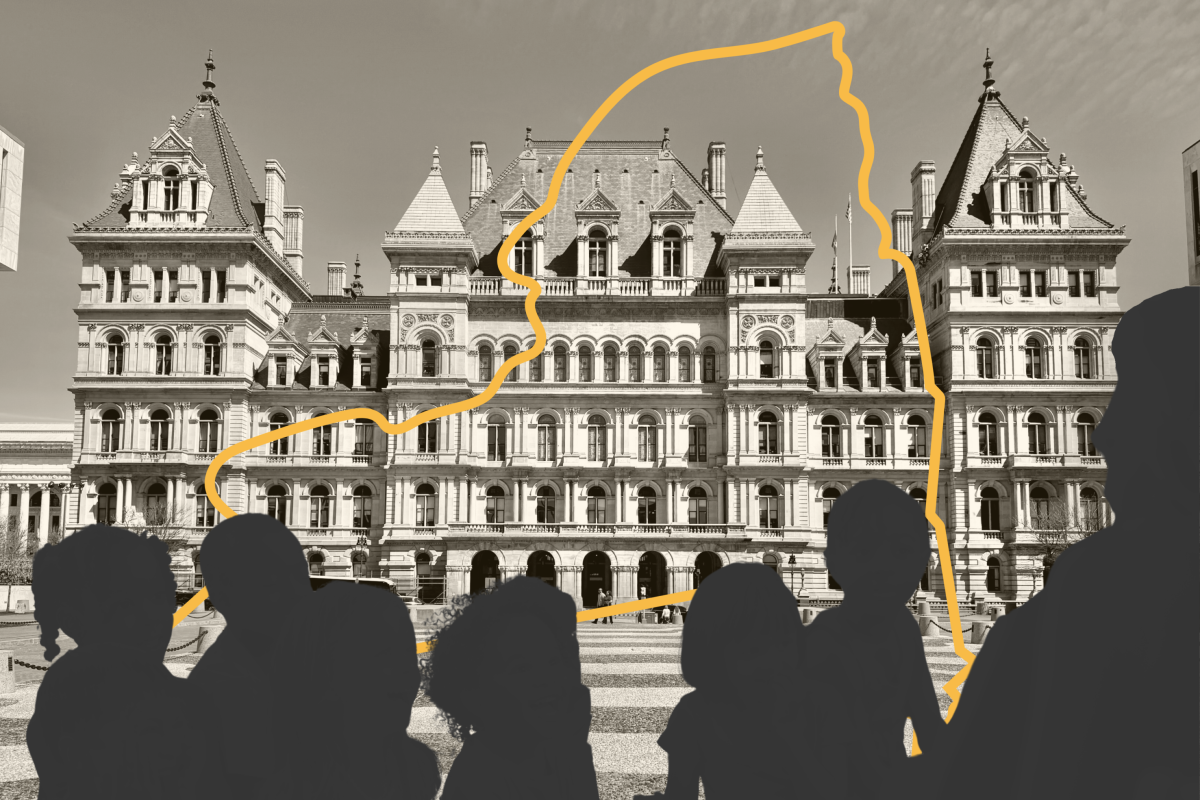
Last week, the state legislature officially backed Governor Kathy Hochul’s plan to offer every 4-year-old in New York a free pre-K seat within the next three years. Photo: Warren LeMay/Flickr; Graphics: Oleksa/Canva, FatCamera/Getty Images | Illustration: Leor Stylar

The state’s universal pre-K funding model is notoriously complex. How does it actually work, and can the governor’s plan fix it?
By Melissa Manno

Last week, the state legislature officially backed Governor Kathy Hochul’s plan to offer every 4-year-old in New York a free pre-K seat within the next three years.

New York’s public pre-K program served three-quarters of eligible 4-year-olds last school year. But thousands of children statewide still lack access because their districts have limited seats or don’t offer it at all, New York Focus reported earlier this month. Last year, 49 districts opted out, many citing insufficient state funding, limited space, or staffing issues.

Hochul’s proposal would nearly double the state’s minimum reimbursement to $10,000 per student, but some district superintendents contend that amount would still not be enough to provide a seat to all applicants by the 2028–29 school year.

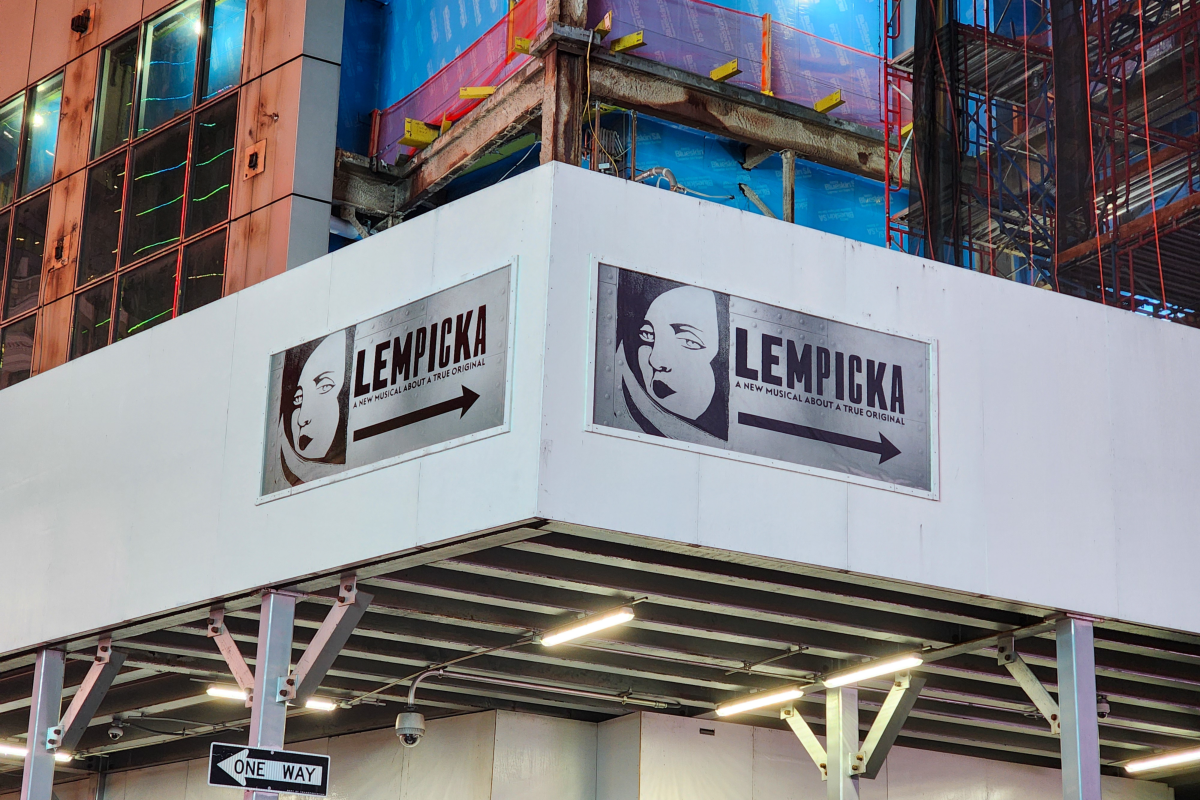
The musical “Lempicka” was awarded a $2.6 million Broadway tax credit after its monthlong 2024 run. Joe Shlabotnik/Flickr
Sold as a pandemic-era emergency program, the state’s theater tax credit has quietly sent hundreds of millions to short-run flops and blockbuster hits.
By Nick Garber

When the musical “KPOP” shut its doors in December 2022 after just 17 performances, it concluded a disappointing Broadway run. The show, which celebrated Korean music and cost about $13 million to make, sold too few tickets to stay open longer than two weeks.

But there was a silver lining for the show’s producers. About a year after “KPOP” closed, the State of New York awarded them $1.9 million. Taxpayers subsidized the show for an amount that comes out to more than $110,000 per performance, thanks to the New York City Musical and Theatrical Production Tax Credit.

The program began as a one-year, $100 million lifeline during the pandemic, which shut Broadway down for 18 months. It has been extended three times since. Now, Governor Hochul is proposing to grow the program by $150 million, bringing the state’s total outlay to $550 million through mid-2027 — even as Broadway attendance and revenues surpass pre-pandemic levels.

Copyright © New York Focus 2024, All rights reserved.
Staying Focused is compiled and written by Alex Arriaga
Contact Alex at alex@nysfocus.com

Feedback? Tips? Pitches? Contact us at: editor@nysfocus.com

Support our work!

Interested in sponsoring these emails? Get in touch! Email editor@nysfocus.com.

This email was sent to *|EMAIL|*

unsubscribe from this list  ·  update subscription preferences

New York Focus · *|HTML:LIST_ADDRESS_HTML|* · USA