Despite decade-old reforms, fraudulent service remains widespread in New York City.
Despite decade-old reforms, fraudulent service remains widespread in New York City. ·  View in browser
NEWSLETTER

Funding local news is more important than ever, and it will take a village to succeed. Join us in our work to rebuild local journalism as a pillar of democracy in New York.

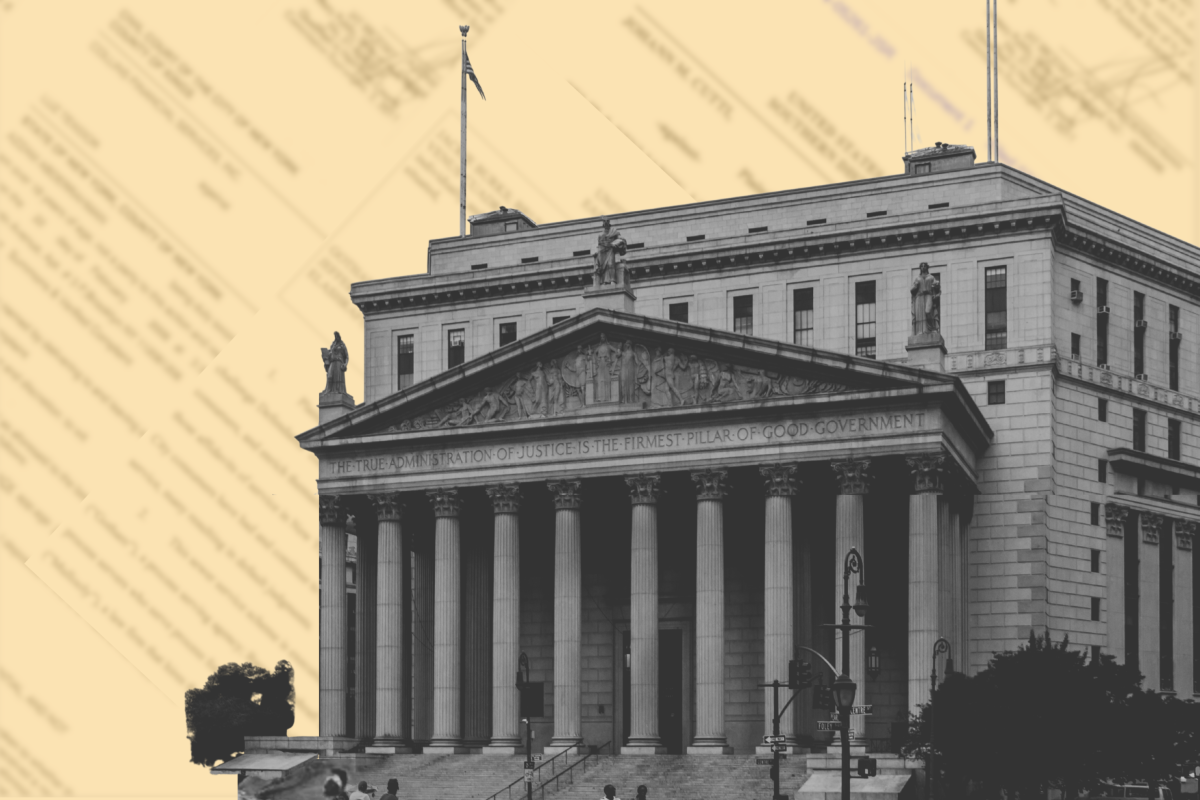
From 2019 to 2023, defendants only responded to about 17 percent of the 366,000 consumer credit lawsuits filed in the city’s civil courts. Photo: Mike Peel / Wikimedia Commons | Illustration: New York Focus
Collectors claim they serve people who don’t exist, yet regulators rarely bar repeat offenders from the industry.
By Julia Rock and Sam Mellins

Last April, Sam Gordon, a Harlem resident who works with people experiencing drug addiction, got a notice in the mail: Thousands of dollars were about to be garnished from his wages.

“I’m living pretty much paycheck to paycheck,” said Gordon, a 61-year old immigrant from the former Czechoslovakia who asked not to use his real name. “So that kind of amount would have put me in a situation that would have been not sustainable.”

About five years prior, a mental health crisis followed by a serious bike accident had put Gordon out of work for a few months, leaving him unable to pay his bills. In 2021, Capital One sued him for $3,620 in credit card debt — but he says he didn’t know that until last year.

Capital One was legally obligated to inform Gordon of the lawsuit. The law firm working for the credit card company, called Selip & Stylianou, had hired a process server to give him the court papers. The server claimed in a court filing that in October 2021, he went to Gordon’s apartment and hand-delivered the documents to a relative of his named Damien.

“I live alone,” Gordon told New York Focus. “I don’t know any Damien.”

Because Gordon didn’t show up to court, Capital One automatically won the case, allowing the company to garnish his wages. (Neither Capital One nor Selip & Stylianou responded to requests for comment.)

Lawyers have a term for when process servers lie about delivering papers to defendants: sewer service. As a result, creditors can win court orders, called default judgements, that allow them to garnish the wages of defendants who don’t know they’ve been sued.

These default judgments “can throw a person, can throw a family into financial turmoil, all because the process server didn’t properly notify the consumer that there was a lawsuit against them,” said Ted Mermin, executive director of the Berkeley Center for Consumer Law and Economic Justice.

Sewer service has plagued New York City for decades, and though the city implemented nation-leading reforms in the 2010s to combat it, a New York Focus investigation has found that fraudulent practices persist, limited regulatory enforcement doesn’t always deter bad actors, and some repeat offenders continue operating. To understand the issue, reporters reviewed court records, analyzed complaints to regulators, and spoke with consumer attorneys across the city.

Recent Stories

New York state Assemblymember Claire Valdez speaks at an Albany rally held by advocates in support of a long-promised carbon pricing program that Governer Kathy Hochul delayed earlier this year. June 4, 2025. NY Renews
State officials said they needed more time for “stakeholder engagement” on cap and invest. But groups involved with the program have gotten crickets.
By Colin Kinniburgh

When Governor Kathy Hochul abruptly hit the brakes in January on a sweeping program to price pollution, she said the state needed more time to “get it right.”

Holding off on the cap and invest program would allow “more space and time for public transparency,” her 2025 agenda briefing book promised.

Later that month, the then–head of the state’s Department of Environmental Conservation told lawmakers that the agency would “continue the robust stakeholder engagement we have had over the past few months” on New York’s plan to ratchet down pollution while raising billions for the transition to clean energy.

Four months on, there’s little sign that Hochul’s administration has continued those efforts.

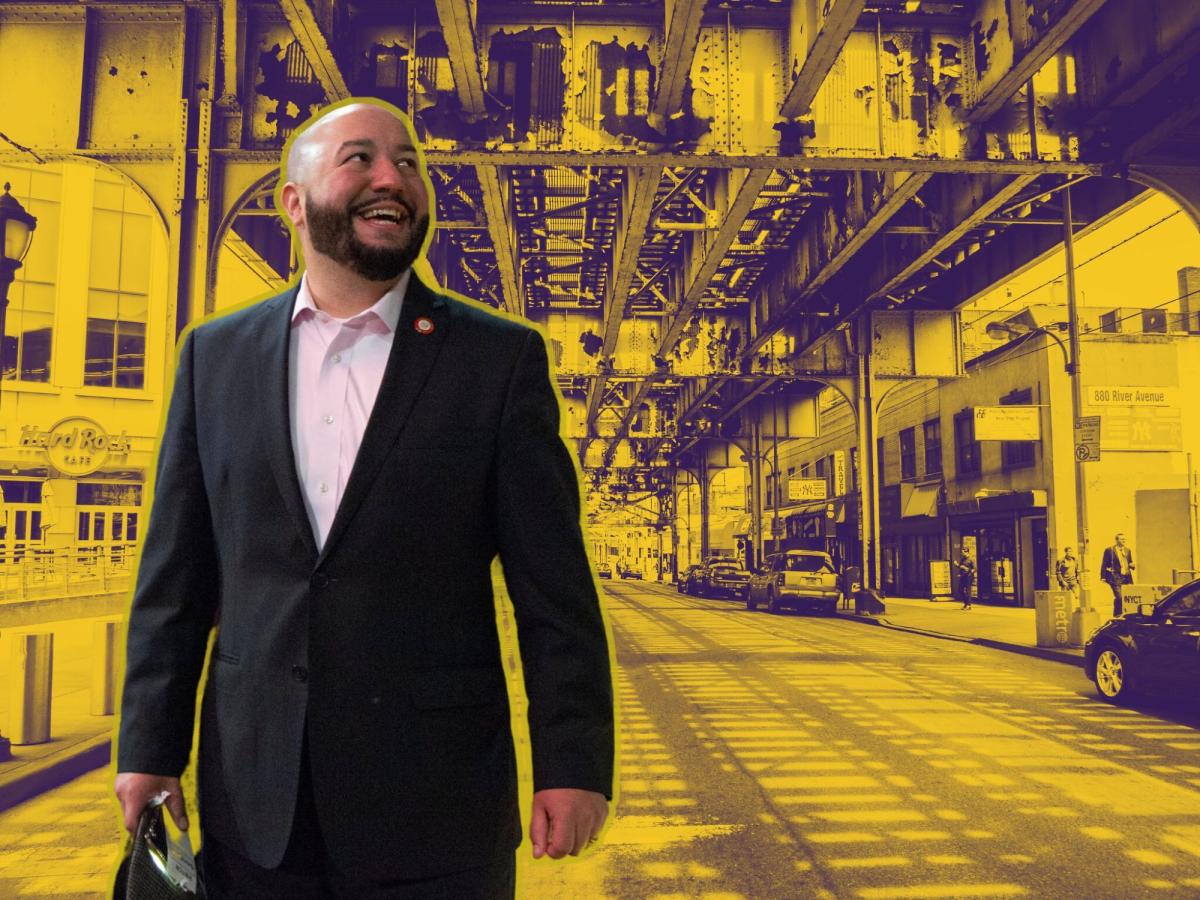
Over less than three years, NYC Councilmember Rafael Salamanca raised $244,000 into an obscure campaign committee, then spent those funds on restaurant bills, bar tabs, liquor store purchases, and his wife’s salary for her role as his campaign treasurer. Photos: Samuel Ioannidis, NYC Council / Flickr; Illustration by NY Focus
An expert calls the six-figure haul “extraordinary” for an unpaid party seat whose powers are picking judges, poll workers, and party officers.
By Chris Bragg

As chair of the New York City Council’s Land Use Committee, Rafael Salamanca has the power to determine whether development projects live or die — and it’s made him a magnet for campaign donations from the real estate industry.

Salamanca, who is now running for Bronx borough president, has long maintained a campaign committee for his city races — one that is bound by strict contribution limits for individuals doing business with the city, including developers.

But that’s not his only fundraising vehicle. A New York Focus investigation has found that Salamanca opened a second campaign committee in recent years — one which funds his campaigns for an unpaid position in the Bronx Democratic Party — that is subject to much looser rules.

Developers have donated the maximum allowed to his city campaign, then made much larger donations to the second committee — sometimes on the same day.

Over less than three years, Salamanca raised $244,000 through the second account, even though he’s never faced a challenge at the ballot box for the comparatively lowly post of district leader.

"That's an extraordinarily high amount to have in a district leader campaign chest,” said Sarah Steiner, an attorney and former chair of the election law committee for the New York City Bar Association. “It's an unpaid position.”

Salamanca then spent hundreds of thousands of dollars from the account to pay for restaurant bills, bar tabs, liquor store purchases, his wife’s salary for her role as his campaign treasurer, and other expenses.

Senator Liz Krueger (left) and Assemblymember Jessica González-Rojas (right) sponsor legislation that could impact $800 billion in debt from developing countries. Illustration: New York Focus
Half of sovereign bonds are issued under New York state law, giving Albany lawmakers the power to shape how countries around the world face off with creditors.
By Julia Rock and Colin Kinniburgh

About half of sovereign bonds — tens of trillions of dollars’ worth of debt held by countries around the world — are issued under New York state law. Countries issue the bonds to raise money for infrastructure or other public expenses, promising to repay the buyers later with added interest. In recent decades, some hedge funds have adopted strategies of buying distressed sovereign debt and then aggressively suing for repayment when countries default, often in New York courts.

Now, Albany is weighing a bill backed by New York Communities for Change and other progressive groups that seeks to rein in those investors — sometimes called “vulture funds” — by reviving an old defense against the lawsuits. It would also lower the interest rate on defaulted debt, lessening the incentive to drag out litigation. Bloomberg estimates that the legislation would impact about $800 billion in debt from developing countries.

Copyright © New York Focus 2024, All rights reserved.
Staying Focused is compiled and written by Alex Arriaga
Contact Alex at alex@nysfocus.com

Feedback? Tips? Pitches? Contact us at: editor@nysfocus.com

Support our work!

Interested in sponsoring these emails? Get in touch! Email editor@nysfocus.com.

This email was sent to *|EMAIL|*

unsubscribe from this list  ·  update subscription preferences

New York Focus · *|HTML:LIST_ADDRESS_HTML|* · USA