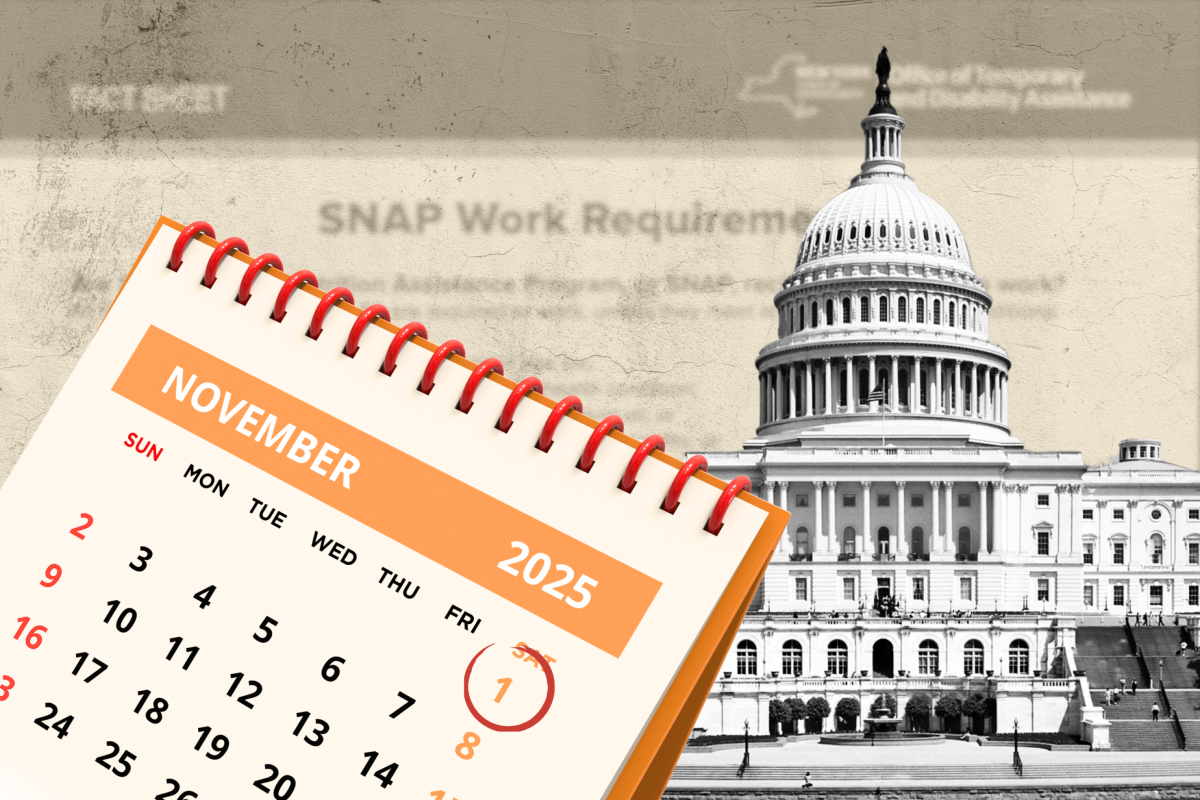
The federal government shutdown and new work requirements will throw New York’s food stamps program into chaos.
The federal government shutdown and new work requirements will throw New York’s food stamps program into chaos. ·  View in browser
NEWSLETTER

Funding local news is more important than ever, and it will take a village to succeed. Join us in our work to rebuild local journalism as a pillar of democracy in New York.

It’s likely that people enrolled in SNAP will see a delay or not receive benefits for the month of November due to the ongoing government shutdown. Photos: Ottojula/Wikimedia Commons; Oba San/Canva | Illustration: Leor Stylar
The federal government shutdown and new work requirements will throw New York’s food stamps program into chaos.
By Jie Jenny Zou

If you’re one of the nearly 3 million New Yorkers currently enrolled in the Supplemental Nutrition Assistance Program, you are likely to see delays in your food benefits next month as a result of the ongoing federal government shutdown. You may also be subject to new work requirements, which could cause hundreds of thousands of New Yorkers to lose their benefits.

That could trigger a hunger crisis. The average enrolled New York household receives $376 per month from the program, which is also a significant source of revenue for the state’s retailers and farmers. Governor Kathy Hochul is facing calls to fund food benefits during the shutdown, but she has so far said the state can’t afford to.

Here’s what you need to know.

Recent Stories

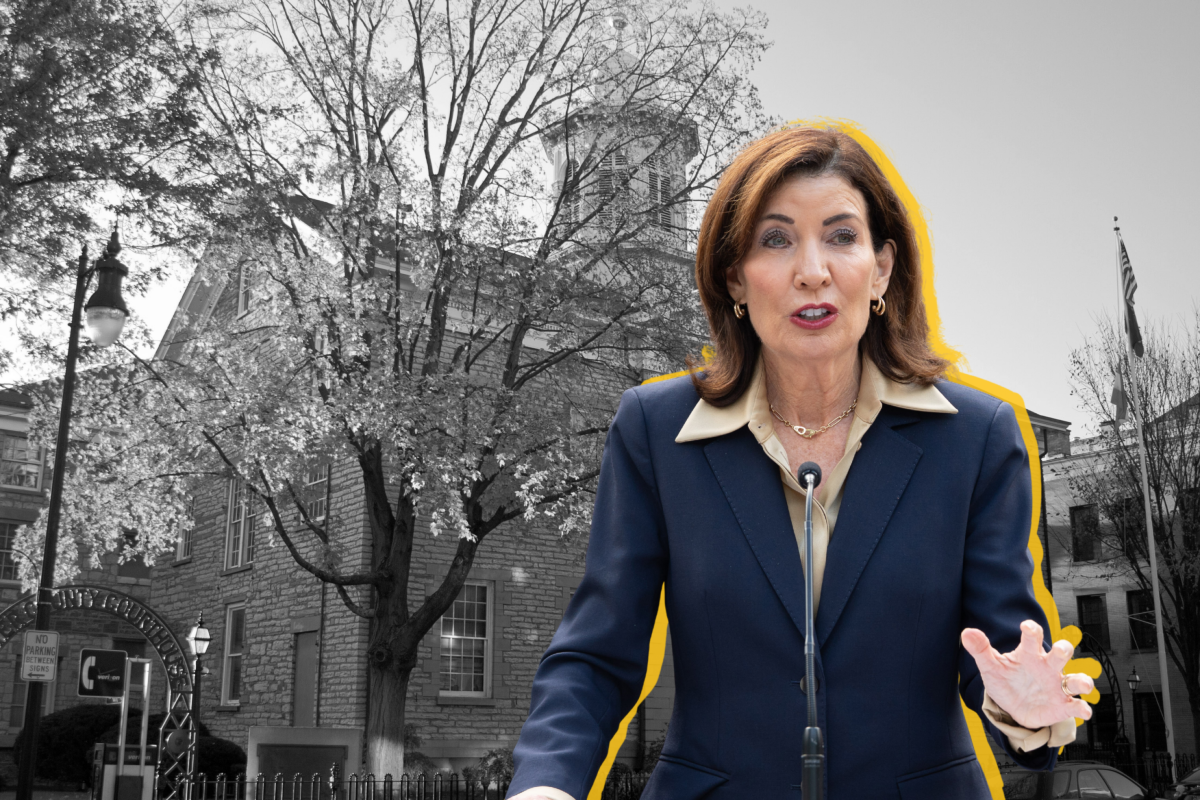
Hochul indicated she plans to appeal the ruling and seek a deal with the legislature to amend the climate law. Photos: Paul Van Der Werf/Flickr; Office of Governor Kathy Hochul | Illustration: Leor Stylar
“We have time to work it out,” Governor Kathy Hochul said.
By Colin Kinniburgh

Governor Kathy Hochul is digging in after a state court ruled Friday that New York is violating its flagship climate law and ordered the state to comply. Rebuffing the judge, she is gearing up for a rematch in the courts and a potential showdown over the state’s green energy transition during next year’s legislative session.

Ulster County Supreme Court Judge Julian Schreibman gave Governor Kathy Hochul’s administration until February 6 to issue regulations that would “ensure” the state meet emissions targets set out in the law. They include a 40 percent reduction in emissions by 2030, which the state estimates it is at least six years behind on.

“It’s a complete shit show”: months after a guard strike, some prisons are still barely functioning. Photo: Ron Lach/Pexels
Many incarcerated New Yorkers say the new normal is endless lock-in.
By Chris Gelardi

Everything is under control, lawyers for the state prison system told a judge last week: “At this time, general population across the state is operating as normal.”

That’s news to the nearly 1,200 men incarcerated at Auburn Correctional Facility.

Prisoners at Auburn are going stir-crazy. Classes, programs, and jobs at the maximum security facility in Cayuga County are mostly canceled. Aside from meal time, people in general population units get an hour out of their cells every other day, according to two incarcerated people — the only time they’re given to shower, purchase items from the commissary, and exercise or socialize in the recreation area.

“This place is a circus,” said Naythen Aubain, who’s incarcerated at Auburn.

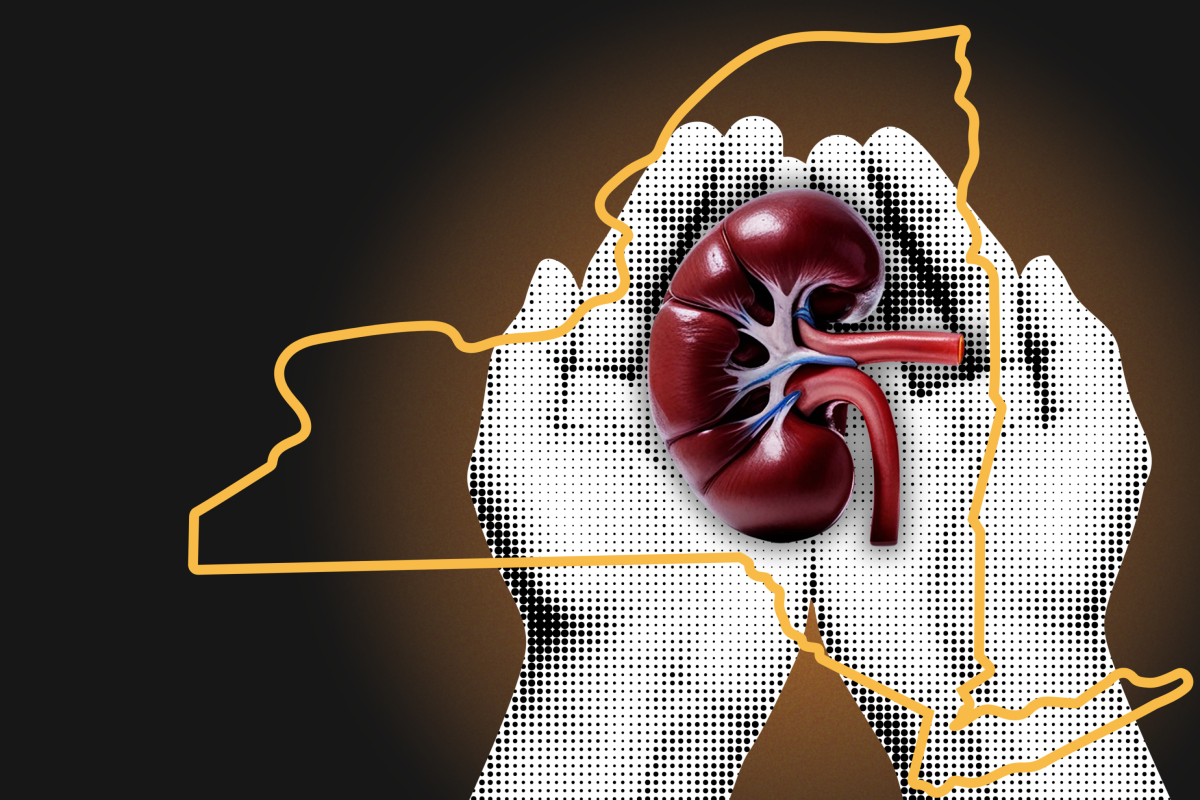
The Living Donor Support Program could significantly reduce the number of New Yorkers who die while waiting for an organ donation. Photos: Alina Kolyuka; Sumali Ibnu Chamid/Canva; Graphic: Oleksa/Canva | Illustration: Leor Stylar
The rollout follows years of reporting by New York Focus on delays and missed deadlines.
By Sam Mellins

Organ donors in New York can now get their costs paid by the state, thanks to a first-in-the-nation program that could save dozens of lives a year.

Last Thursday, the state health department announced that it is launching the Living Donor Support Program, which will reimburse organ donors up to $14,000 for their medical expenses and recovery-related costs, such as lost wages and childcare. Both the donor and recipient must be New Yorkers.

New York Focus has covered the effort to launch the program, and the health department’s repeated delays in implementing it, since 2021.

New York has one of the longest organ waitlists in the country, and hundreds of New Yorkers die waiting for an organ donation each year. This new program could significantly reduce that toll.

The health department estimates that as many as 500 New Yorkers a year will use the program. Most are likely to be kidney donors, since kidneys are by far the most commonly donated organ.

Copyright © New York Focus 2024, All rights reserved.
Staying Focused is compiled and written by Alex Arriaga
Contact Alex at alex@nysfocus.com

Feedback? Tips? Pitches? Contact us at: editor@nysfocus.com

Support our work!

Interested in sponsoring these emails? Get in touch! Email editor@nysfocus.com.

This email was sent to *|EMAIL|*

unsubscribe from this list  ·  update subscription preferences

New York Focus · *|HTML:LIST_ADDRESS_HTML|* · USA