
The state legislature passed the Humane Alternatives to Long-Term (HALT) Solitary Confinement Act in 2021, and it went into full effect on March 31, 2022. The law placed strict limitations on whom prisons and jails could place in solitary confinement, what infractions they could send them there for, and how long they could keep them there.
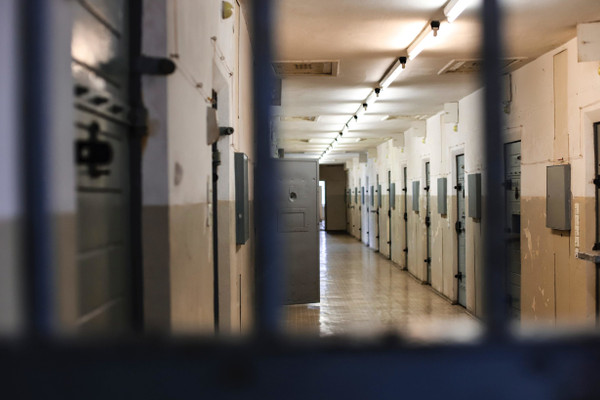
The HALT Solitary Confinement Act altered the balance of power within New York’s prisons.
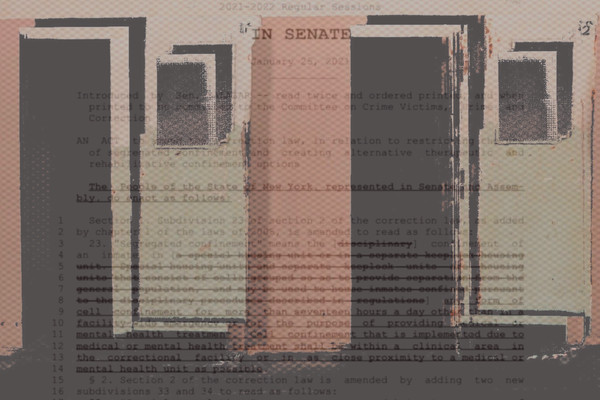
A landmark reform law was meant to overhaul carceral punishment in New York. Getting prisons to follow it has been an uphill battle.
A new legal challenge takes aim at the New York prison department for locking hundreds of people up in solitary over offenses that should be exempt.

After months of ignoring reforms, the corrections department published new rules. They look a lot like the old rules.

A recent hearing was legislators’ chance to have acting prison commissioner Anthony Annucci explain himself. They didn’t make him.
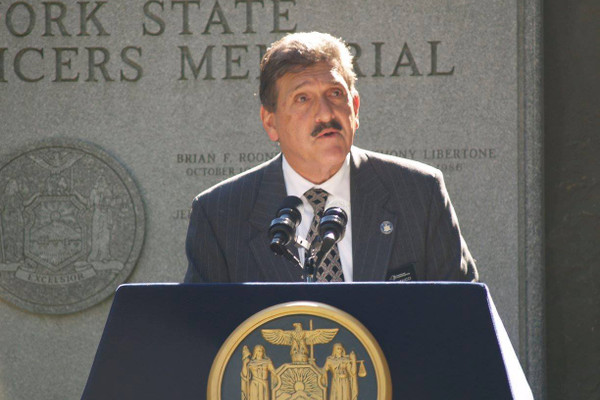
Legislators told the prison department it was violating a solitary confinement reform law. So it ignored them.
New York prisons have illegally sent at least 1,100 people to solitary confinement for infractions that aren’t eligible for the punishment, a New York Focus analysis has found.

Anthony Annucci’s internal memo tells staff to restrain incarcerated people during any out-of-cell time, affecting at least 5,000.
A landmark solitary confinement reform law created a new, “rehabilitative” type of isolation unit. In practice, they’re often little different from the solitary units they were meant to replace.
Lawmakers banned solitary confinement for people with disabilities. But the state prison agency has crafted its own policies.
Five months after a law to scale back solitary confinement went into effect, a majority of the New York prison system’s solitary population had been held there for longer than the law permits.