Here's what’s changing in New York.
Here's what’s changing in New York. ·  View in browser
NEWSLETTER

Funding local news is more important than ever, and it will take a village to succeed. Join us in our work to rebuild local journalism as a pillar of democracy in New York.

The “One Big Beautiful Bill Act” will likely result in foregone medical care and increased food insecurity for many New Yorkers. Photos: Billion Photos and DAPA Images/Canva | Illustration: Leor Stylar
New York is staring down billions in lost federal funding for Medicaid and food assistance over the next decade
By Jie Jenny Zou

New York’s top leaders will need to make tough decisions in the coming months as they confront billions in lost federal funding for the state’s largest and oldest safety net programs.

Last week, Congressional Republicans pulled an all nighter to narrowly pass the sweeping “One Big Beautiful Bill Act,” enacting a series of lucrative tax breaks for America’s richest at the expense of its poorest.

Some changes would take effect in a matter of months, forcing the state to quickly pivot and either cover the shortfall or slash benefits. New York would also need to quickly build a new system for closely tracking benefit recipients, an undertaking that Governor Kathy Hochul’s office estimated could cost $500 million alone.

County social service departments — which oversee Medicaid and SNAP locally and are already short-staffed — will need to ramp up their hiring and training to comply with a host of onerous new paperwork requirements. Individual counties could also be on the hook for up to millions of dollars in annual SNAP administrative costs no longer covered by the federal government.

“This is beyond the capacity of the local tax base, this is beyond the capability of the local workforce,” said Stephen Acquario, executive director of the New York State Association of Counties. “We have not been briefed by the state and we don’t know what their plans are at this point in time.”

Recent Stories

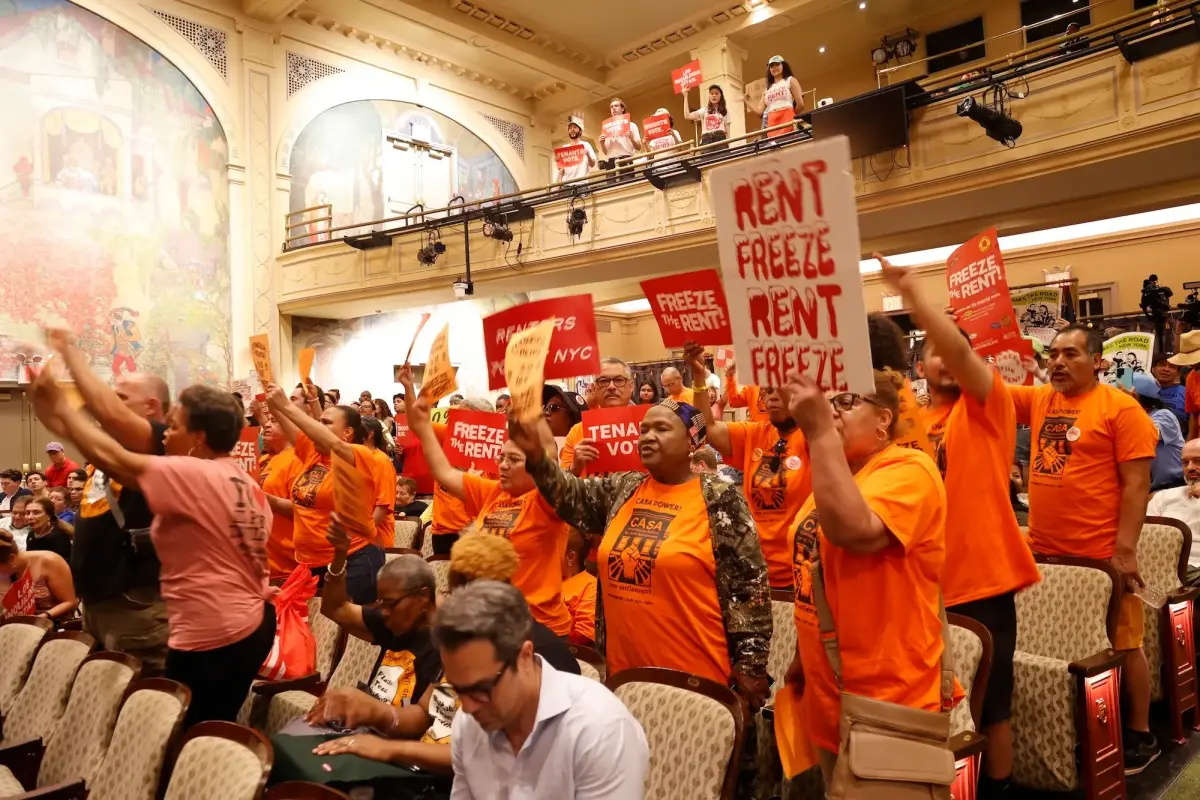
Mamdani won seven of the 10 districts with the most rent-stabilized units. New York State Tenant Bloc
Andrew Cuomo won 11 out of 13 majority-homeowner districts — but Mamdani swept the floor in renter-heavy areas, where turnout surged.
By Charlie Dulik

Last week’s New York City Democratic mayoral primary saw a dramatically reshaped electorate power state Assemblymember Zohran Mamdani to victory.

Multiple factors may have contributed to the surge in turnout — Mamdani’s innovative social media strategy, his volunteer army, his personal charisma, and his platform centered on delivering a more affordable city. That platform is composed of three major planks: creating free universal childcare, making buses fast and free, and freezing rents for around 2.4 million rent-stabilized tenants.

That last point may have been particularly important. Analysis of first round election results shows that areas with the most rental units, many of which supported Eric Adams four years ago, proved decisive to Mamdani’s victory. The districts with the most homeowners, meanwhile, swung heavily for former Governor Andrew Cuomo.

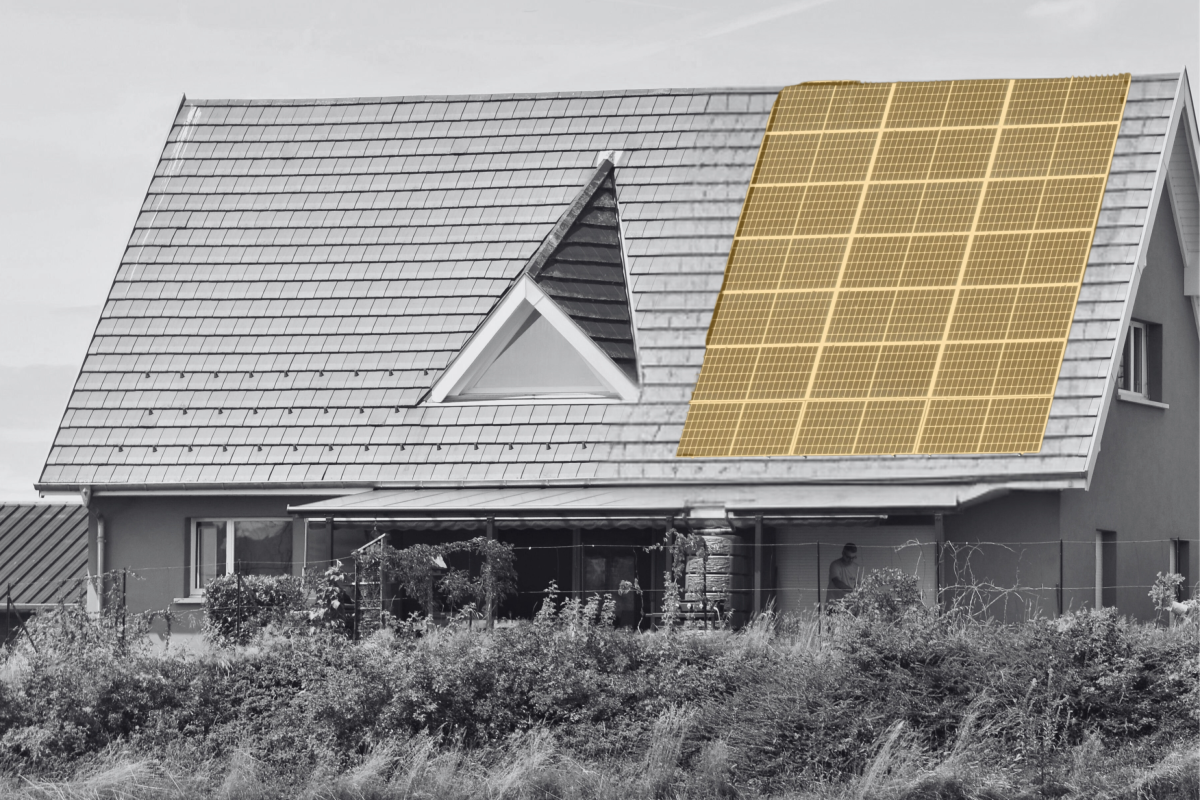
Republicans in Congress are intent on rolling back the incentives that brought the cost of clean energy within reach for some New York homeowners. Photo: Daniele de la Rosa Messina/Pexels | Illustration: Leor Stylar
Already, the state’s green energy businesses are feeling the impact of the pending Congressional spending bill that includes phasing out Inflation Reduction Act tax credits.
By Clara Hemphill

Amy Albenda Hill wanted to power her Hudson Valley home in Tarrytown with green energy — solar panels on the roof, a geothermal heating system underground, and an electric vehicle in the driveway. She knew the initial investment would be expensive, but went ahead after her husband Adam discovered that federal tax credits would lower the cost by 30 percent.

“It would have been completely out of the question without the tax credits,” Adam said.

The Hills are among the hundreds of thousands of New Yorkers who have taken advantage of tax breaks for eco-friendly home improvement projects under President Joe Biden’s signature 2022 climate law, the Inflation Reduction Act. The credits make it cheaper to install energy-efficient insulation, new windows, skylights, heat pumps, or solar panels — projects that reduce heating and cooling costs and help mitigate climate change.

Photo collage of President Donald Trump standing in front of several windmills. Faded in the background, the text of the executive order reading, "Temporary Withdrawal of All Areas on the Outer Continental Shelf from Offshore Wind Leasing and Review of the Federal Government’s Leasing and Permitting Practices for Wind Projects."

Now, Republicans in Congress are poised to gut those clean energy tax credits, which President Donald Trump has called a “giant SCAM.” On Tuesday, the US Senate passed a giant tax and spending bill that includes phasing out the tax credits, sending it back to the House, which passed its own version of the bill in May and worked through Wednesday night with the aim of approving the final package by Trump’s July 4 deadline.

Related: Trump Throws Wrench Into Offshore Wind, Putting New York’s Clean Energy Plans In Doubt

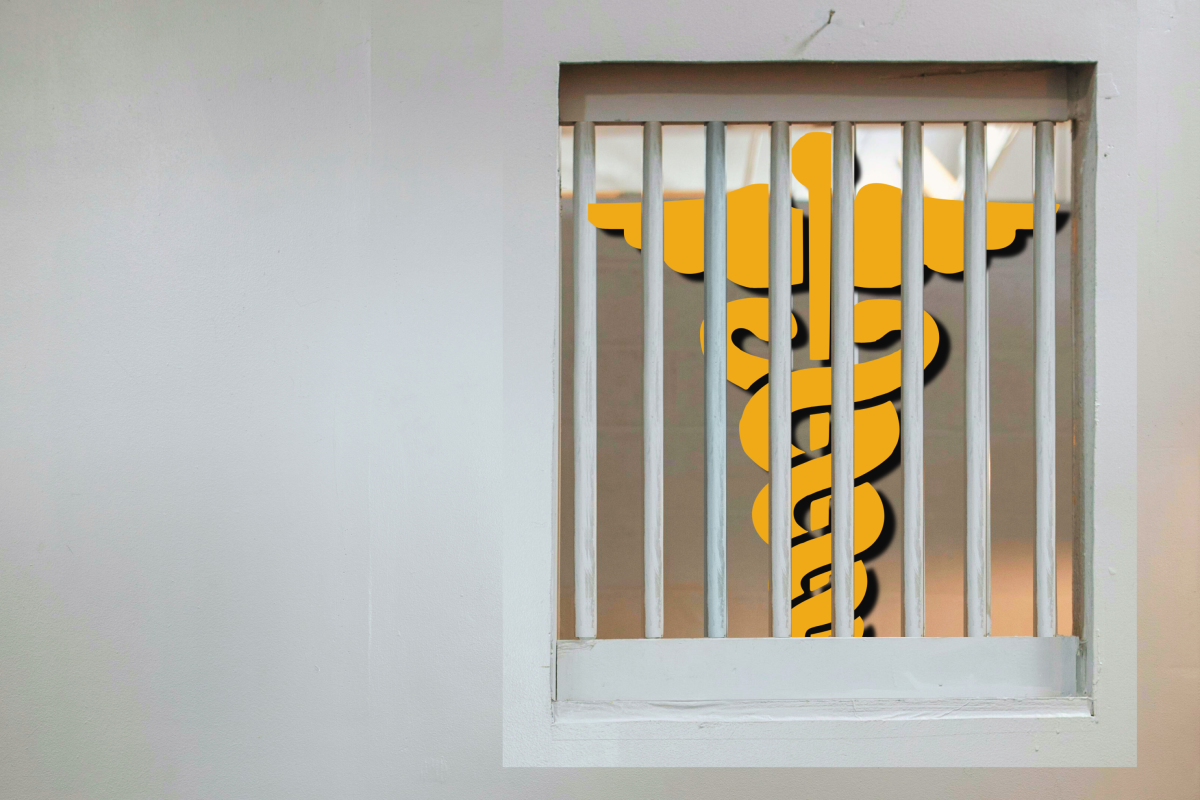
For over a decade, the state health department has considered extending Medicaid coverage to those soon-to-be-released from county jails and state-run prisons. Photo: RDNE Stock Project/Pexels; sdfkjlksdfj/Wikimedia Commons | Illustration: Leor Stylar
The state’s efforts around reentry healthcare have stalled and face an uphill battle under the Trump administration.
By Jie Jenny Zou

At the Healing Springs Recovery Center in Saratoga Springs, Shayne Richardson connects people battling substance and alcohol abuse with healthcare providers and other forms of support. Many were recently released from prisons or jails, and are navigating sobriety alongside reentry. That’s a familiar challenge to Richardson, who was himself released from prison just over a year ago.

“It keeps me green,” said Richardson. “It just reminds me every day of where I was and where I don’t want to go back to.”

As a peer advocate, Richardson uses his firsthand experience with addiction and incarceration to provide the kind of support he hopes more people could get if New York expands Medicaid for people reentering society.

Under federal law, Medicaid is automatically suspended during incarceration. But for over a decade, the state health department has considered extending coverage to those soon-to-be-released from county jails and state-run prisons.

The expansion, under what’s called a Section 1115 waiver, could provide a lifesaving bridge for a population with high rates of chronic illness, addiction, and mental health disorders — and potentially save the state millions of dollars.

Nineteen states, including California, Kentucky, and Montana, have secured federal approval for their own versions of the program. Several others, including New York, have waiver requests awaiting review.

But New York hasn’t updated its request in years. It would need to be rewritten to align with 2023 federal guidelines that require a minimum of pre-release services, like case management, addiction medications, and counseling. The health department declined to explain the delay or to say whether it will submit a revised petition.

It may now be too late.

Copyright © New York Focus 2024, All rights reserved.
Staying Focused is compiled and written by Alex Arriaga
Contact Alex at alex@nysfocus.com

Feedback? Tips? Pitches? Contact us at: editor@nysfocus.com

Support our work!

Interested in sponsoring these emails? Get in touch! Email editor@nysfocus.com.

This email was sent to *|EMAIL|*

unsubscribe from this list  ·  update subscription preferences

New York Focus · *|HTML:LIST_ADDRESS_HTML|* · USA