Plus, court records undercut a Bronx DA’s testimony on discovery rollbacks.
Plus, court records undercut a Bronx DA’s testimony on discovery rollbacks. ·  View in browser
NEWSLETTER
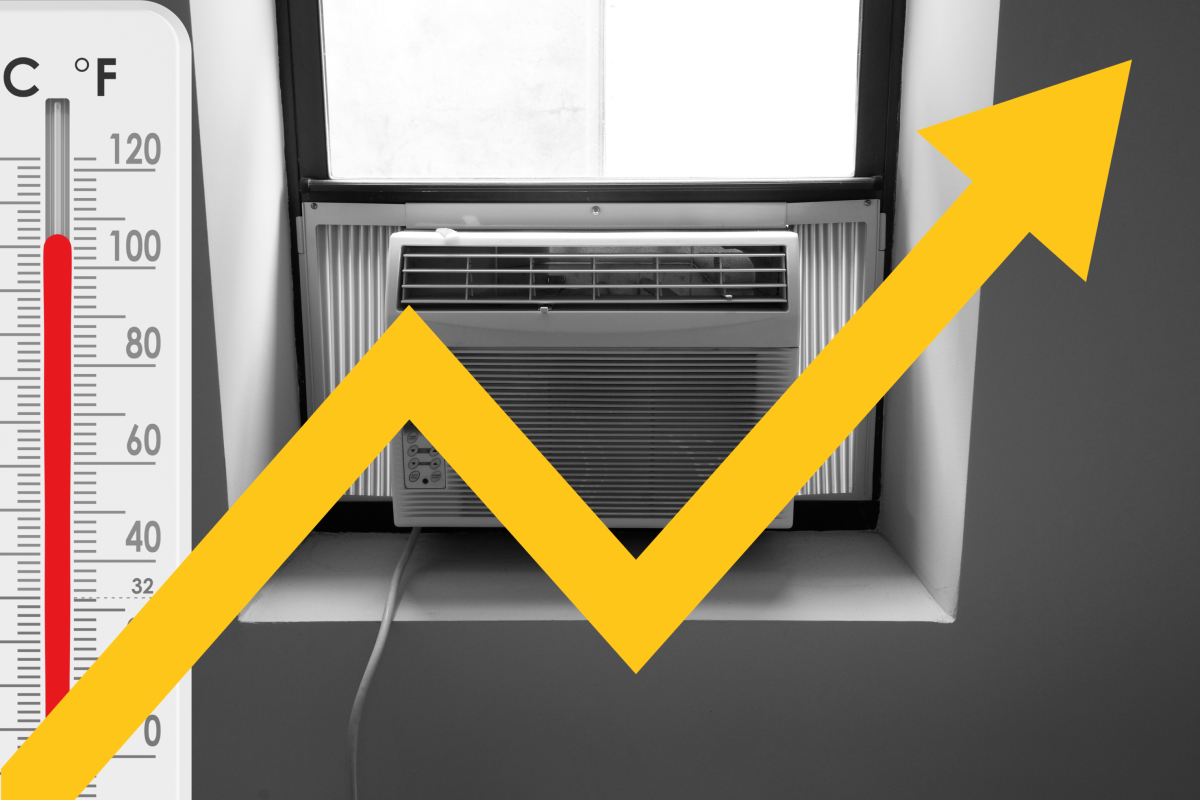
LIHEAP faces an uncertain future following drastic cutbacks announced last week by the Trump administration. Photos: Jupiterimages, natatravel / Canva | Illustration: Leor Stylar
Drastic cutbacks coupled with skyrocketing utility costs put seniors and other vulnerable households at greater risk for severe illness and death.
By Jie Jenny Zou

A program New Yorkers have long relied on to keep their homes warm in the winter and cool in the summer could be on the chopping block, putting vulnerable households at increased risk for severe illness or death amid soaring utility costs.

The national Low Income Home Energy Assistance Program (LIHEAP) faces an uncertain future following drastic cutbacks announced last week by the Trump administration. The program’s entire federal staff was laid off last week as part of a massive restructuring at the Department of Health and Human Services, leaving the status of pending and future funding unclear.

“How could there be any program moving forward?” asked Laurie Wheelock of the Public Utility Law Project of New York, a nonprofit that advocates for energy affordability across the state. “That’s really worrisome.”

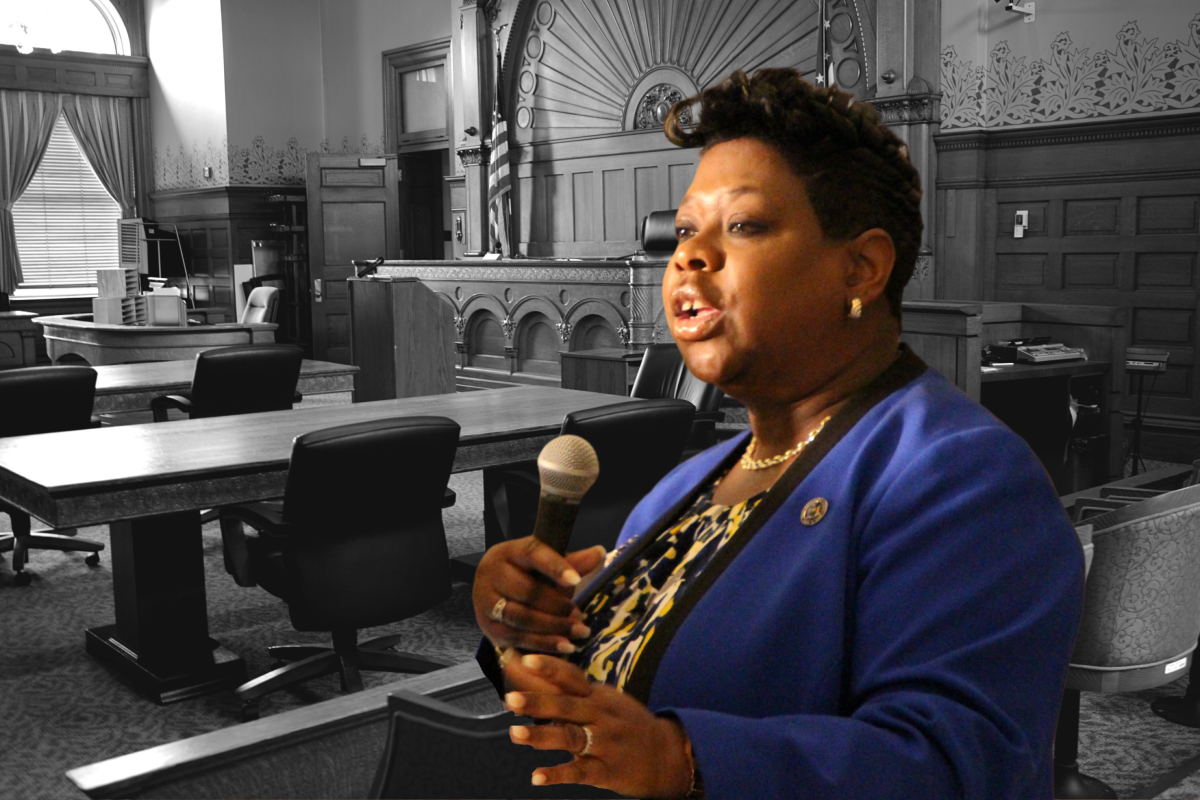
Negotiations over the budget, which was due April 1, are ongoing, and the governor’s discovery rollbacks have been one of the biggest sticking points. Photos: Ruben Diaz Jr. / Flickr; ftwitty / Getty Images | Illustration: Leor Stylar
Hochul’s proposed rollbacks are one of the major sticking points in this year’s budget negotiations. One prosecutor’s support rested on a faulty anecdote.
By Ryan Kost

A New York City district attorney gave inaccurate testimony about one of the state’s most contentious political issues during a February legislative hearing, according to court documents recently reviewed by New York Focus.

Bronx DA Darcel Clark was testifying about discovery law, which governs the process by which prosecutors and defense attorneys share evidence with each other ahead of criminal trials. Governor Kathy Hochul proposed changes to the law in January that would water down some aspects of New York’s 2019 criminal justice reforms.

Clark and other district attorneys have supported Hochul’s proposal, claiming that since the reforms, judges have been throwing out strong criminal cases and overturning convictions on minor technicalities.

Recent Stories

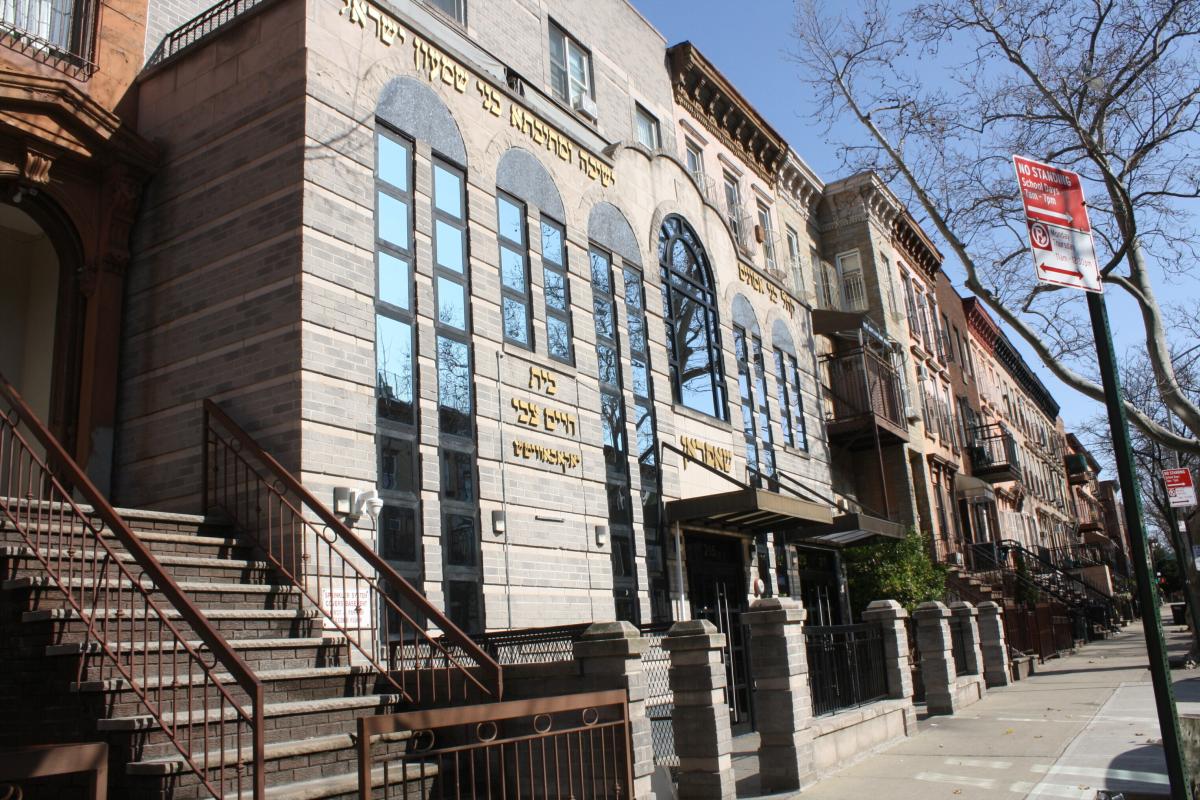
Yeshiva Bnei Shimon Yisroel of Sopron, in Williamsburg, Brooklyn, is one of six yeshivas that has lost public funding, according to the state Education Department. Bianca Fortis
Yeshivas and other nonpublic schools face a looming deadline to prove they offer an education similar to the state’s public schools. A proposed bill would loosen those rules and potentially delay the deadline.
By Bianca Fortis

New York lawmakers are considering weakening the state Education Department's recent guidelines on yeshivas and other nonpublic schools, New York Focus has learned.

These schools face a looming deadline – June 30 – to prove they offer a “substantially equivalent” education as the state’s public schools, under regulations issued in 2022. A draft bill circulating the legislature would loosen those rules and potentially delay the deadline for some schools.

Critics have argued for years that yeshivas, which may prioritize the teaching of religious Jewish texts over subjects like English, math and science, have deprived students, mostly boys, of equal access to education. Some Ultra-Orthodox community leaders have fiercely opposed efforts to regulate how they teach, advocating to retain autonomy over their schools.

The draft text of the bill, submitted by the Assembly, does not identify a sponsor. Its appearance in the final stretch of budget negotiations signals that its backers are seeking to have it inserted directly into a budget bill, rather than have it considered as part of the normal legislative process.

NYPD stops have nearly tripled under Eric Adams Photo: NYC Mayor's Office
Officers recorded over 25,000 stops last year, a 50 percent increase over the previous year. Nine in 10 people stopped by the NYPD last year were Black or Latino.
By Surina Venkat

Stop-and-frisks — otherwise known as Terry stops — refer to the police practice of stopping and patting down the outer clothing of individuals cops suspect to be armed and dangerous. During these stops, police may also search individuals’ belongings.

Under Mayor Michael Bloomberg, NYPD officers stopped hundreds of thousands of individuals each year and conducted a record-high 685,724 stops in 2011. Few stops resulted in arrests, and the practice disproportionately targeted Black and Latino individuals.

NYPD stops sharply decreased in the following years. In 2013, a New York federal judge ruled that the practice was ineffectual and, as implemented under Bloomberg, violated the constitutional rights of minorities. By 2021 — Mayor Bill de Blasio’s final year in office — NYPD officers conducted just 8,947 stops.

Three years later, that number has nearly tripled under the Adams administration.

Attorney General Letitia James warned hospitals that denying gender-affirming care to transgender people is against New York law, regardless of the availability of federal funding. Photos: Matthew Cohen, Ajay Suresh / Flickr | Illustration: Leor Stylar
New York law mandates gender-affirming care — but some hospitals are backing down anyway.
By Nathan Porceng

Immediately upon retaking the Oval Office, President Donald Trump issued an executive order directing federal agencies to withhold funding from healthcare entities that provide gender-affirming medical care to people under 19.

Trump’s order sent shockwaves through the LGBTQ+ community. Some healthcare providers — scared of losing their funding and confused about their legal obligations — stopped treating transgender youth.

Legal experts told New York Focus that even if the federal courts ultimately uphold Trump’s order, the Human Rights Law still requires that healthcare providers supply the same treatment to transgender people as they do cisgender people — including gender-affirming care. But while New York’s law is clear, advocates say, litigation is not a cure-all.

Copyright © New York Focus 2024, All rights reserved.
Staying Focused is compiled and written by Alex Arriaga
Contact Alex at alex@nysfocus.com

Feedback? Tips? Pitches? Contact us at: editor@nysfocus.com

Support our work!

Interested in sponsoring these emails? Get in touch! Email editor@nysfocus.com.

This email was sent to *|EMAIL|*

unsubscribe from this list  ·  update subscription preferences

New York Focus · *|HTML:LIST_ADDRESS_HTML|* · USA