New York counties thought they had months to prepare to implement SNAP work requirements. Now, they have weeks.
New York counties thought they had months to prepare to implement SNAP work requirements. Now, they have weeks. ·  View in browser
NEWSLETTER

We’re so excited to celebrate our fifth birthday in Brooklyn on Oct. 14 and hope you’ll join us. Together lets toast to local journalism and holding our elected officials to account.

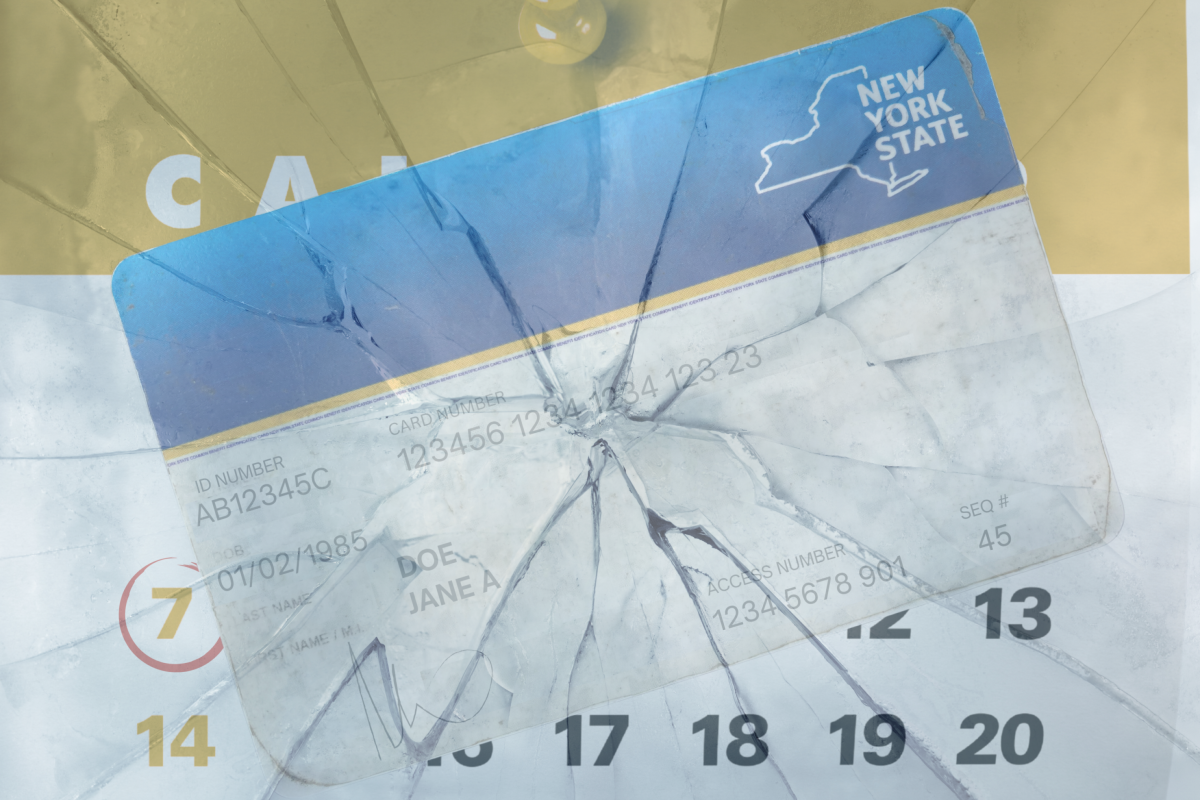
New York could be forced to enforce SNAP work requirements in a matter of weeks. Illustration: Leor Stylar
New York counties thought they had months to prepare to implement SNAP work requirements. Now, they have weeks.
By Jie Jenny Zou

A surprise move by the Trump administration could result in hundreds of thousands of New Yorkers losing their food assistance benefits as soon as November — disrupting one of the country’s oldest safety net programs months earlier than expected.

In July, President Donald Trump signed his “Big, Beautiful Bill” into law, enacting over $1 trillion in cuts to Medicaid and the Supplemental Nutrition Assistance Program (SNAP, also known as food stamps). Drastic changes to SNAP were expected to roll out starting next year, including expanded work requirements projected to cause hundreds of thousands of New Yorkers to lose eligibility.

Funding local news is more important than ever, and it will take a village to succeed. Join us in our work to rebuild local journalism as a pillar of democracy in New York.

The Buffalo Federal Detention Facility stopped accepting personal book shipments for detainees in July. Photos: mariashipakina/Canva; thawornnurak/Getty | Illustration: Leor Stylar
Rejected books include a Spanish-English dictionary, a Spanish translation of a George R.R. Martin novel, and “The Seven Principles for Making Marriage Work.”
By Isabelle Taft
New York County jails that have rented beds to ICE sometimes don’t give people facing immigration proceedings access to phone calls. Photos: doomu/Getty Images; RDNE Stock Project | Illustration: Leor Stylar
Some immigrants held in county jails are struggling to access legal advice, phone calls, and even their own court hearings.
By Julia Rock and Isabelle Taft
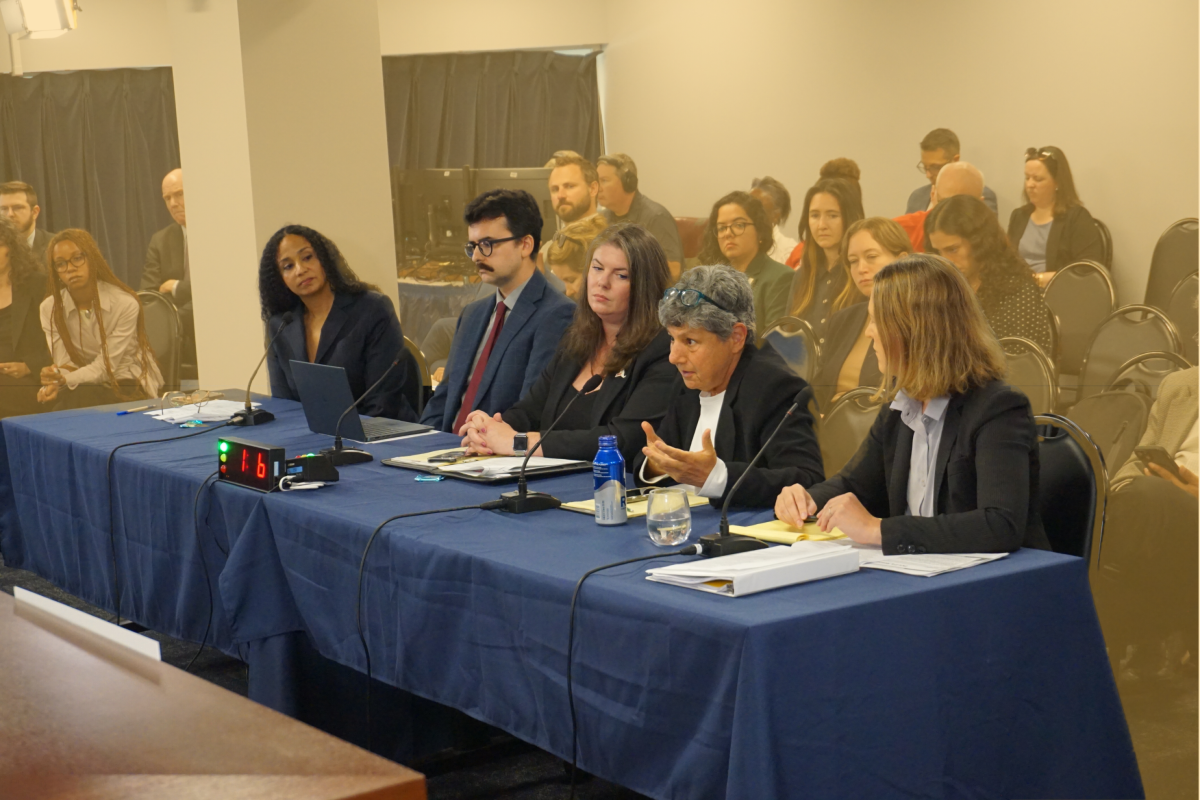
Irene Weiser, of Fossil Free Tompkins, and other advocates at a state Senate hearing about rising energy bills on September 30. Photo: Colin Kinniburgh | Illustration: New York Focus
In a state Senate hearing on spiraling energy bills, consumer advocates lamented the closed-door negotiations at the heart of New York’s ratemaking process.
By Colin Kinniburgh

In theory, the process that determines your energy bills plays out in public, through innumerable documents and comments posted online and hearings that are open to all.

In practice, watchdogs say, the key decisions are made behind closed doors, in confidential settlement proceedings where utilities set the agenda and bring legal firepower that is impossible for most other participants to match.

That secretive settlement process was a flashpoint at a state Senate hearing Tuesday on spiraling energy bills. Over the course of the day, senators questioned state and city officials, advocates, and utility representatives about the state’s energy policies and reforms that could rein in price hikes.

Copyright © New York Focus 2024, All rights reserved.
Staying Focused is compiled and written by Alex Arriaga
Contact Alex at alex@nysfocus.com

Feedback? Tips? Pitches? Contact us at: editor@nysfocus.com

Support our work!

Interested in sponsoring these emails? Get in touch! Email editor@nysfocus.com.

This email was sent to *|EMAIL|*

unsubscribe from this list  ·  update subscription preferences

New York Focus · *|HTML:LIST_ADDRESS_HTML|* · USA