What’s Next for New York?
What’s Next for New York? ·  View in browser
NEWSLETTER
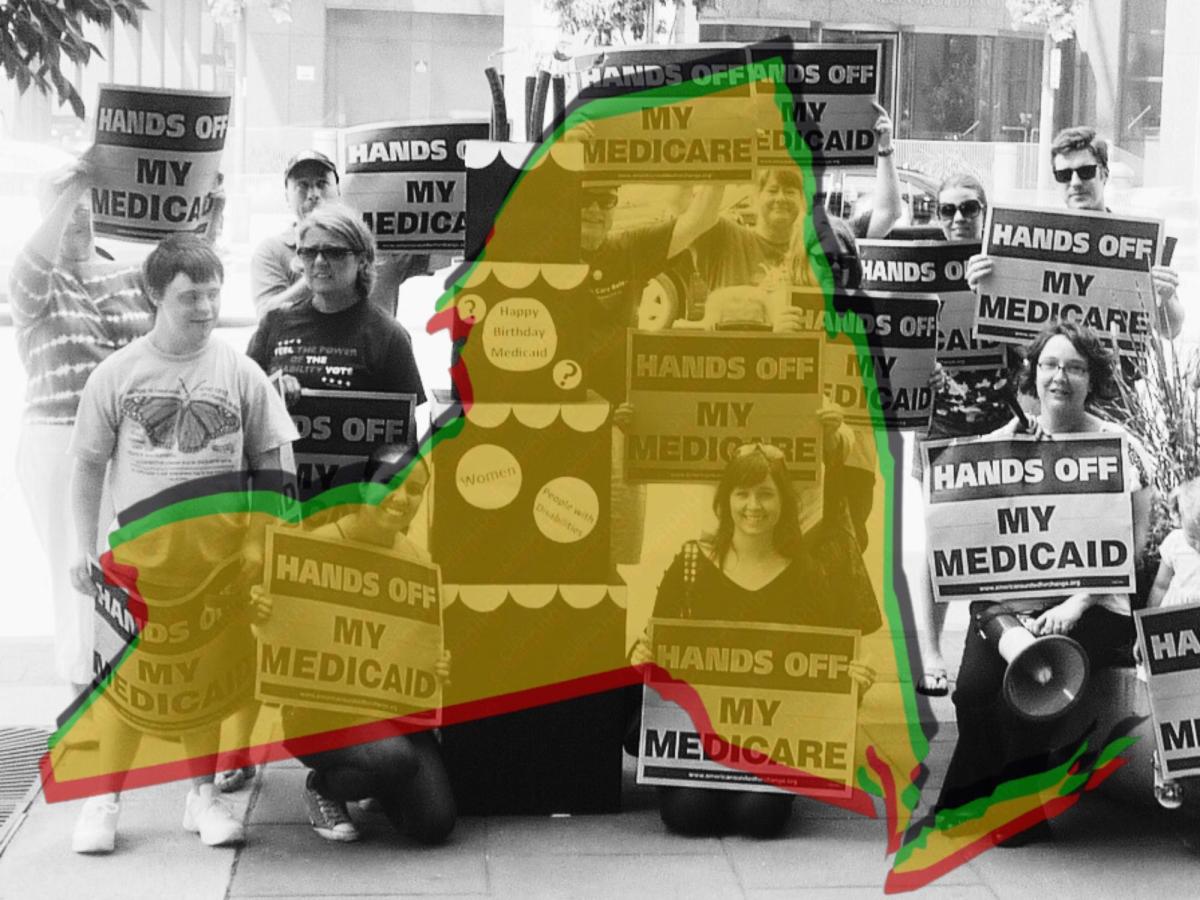
If the bill is enacted, the changes would force states like New York to make hard decisions about their largest safety-net programs as the federal government pulls back support while also imposing more onerous eligibility criteria. Image: ProgressOhio, Flickr; Illustration by New York Focus
If enacted, the cuts could topple the safety net for New York’s most vulnerable and upend the state’s newly passed budget.
By Jie Jenny Zou

For months, Congressional Republicans have dodged questions over exactly how they plan to fund another round of Trump-era tax cuts for corporations and the rich. While big-budget programs like Medicaid and SNAP have been eyed for cuts, legislators have said only that they’ll concentrate on rooting out fraud and trimming waste from those mainstays.

The answer is now becoming clear. This week, during the controversial, fast-track process known as budget reconciliation, House Republicans proposed deep and historic cuts to Medicaid and the Supplemental Nutrition Assistance Program, also known as SNAP or food stamps.

If enacted, the changes would force states like New York to make hard decisions about their largest safety-net programs as the federal government pulls back support while also imposing more onerous eligibility criteria.

Here’s a look at some of the changes being floated in Congress and their potential impact on New Yorkers.

We filled the Public Theater on Thursday with guests who care about the future of New York — and the candidates vying for the job to run it. Thank you to everyone who joined us at our joint mayoral forum, hosted with Hell Gate, a worker-owned publication covering NYC news and culture.

Thanks to our candidates Zohran Mamdanai, Brad Lander and Scott Stringer for sticking around and taking questions from us and our audience.
Recent Stories

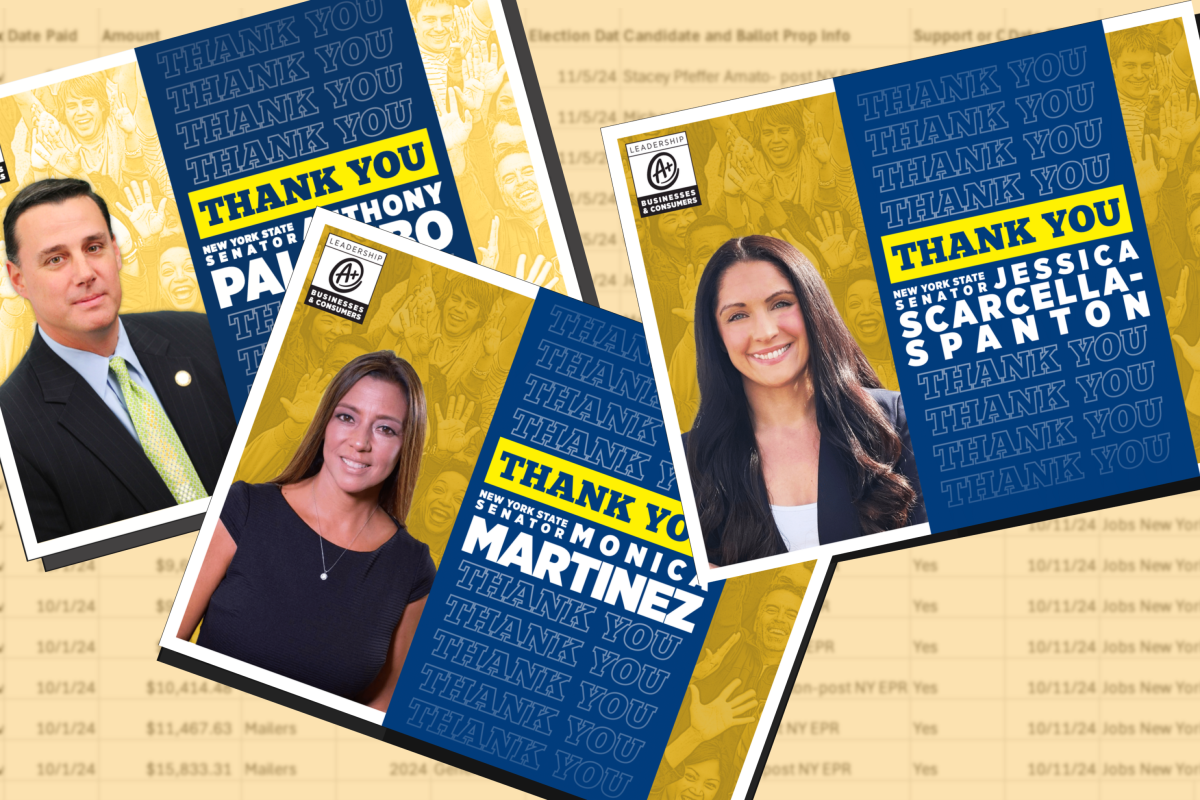
Copies of mailers funded by a national trade group were left out of required campaign filings until New York Focus inquired about them. Mailers: Business Council | Illustration: New York Focus
A campaign group run by New York’s business lobby and backed by the American Chemistry Council failed to submit copies of mailers it sent in support of candidates.
By Colin Kinniburgh

What exactly did the leading trade group for the US chemical industry pay for when it spent a quarter-million dollars backing New York state lawmakers for reelection?

Until now, it wasn’t clear, because the group that ran the effort last fall failed to file campaign mailers with state election officials, as required by law.

New York Focus revealed last week that the American Chemistry Council, which represents major corporations like DuPont, Exxon, and 3M, poured $250,000 into the reelection campaigns of lawmakers across the state, from Long Island to Syracuse.

Funding local news is more important than ever, and it will take a village to succeed. Join us in our work to rebuild local journalism as a pillar of democracy in New York.

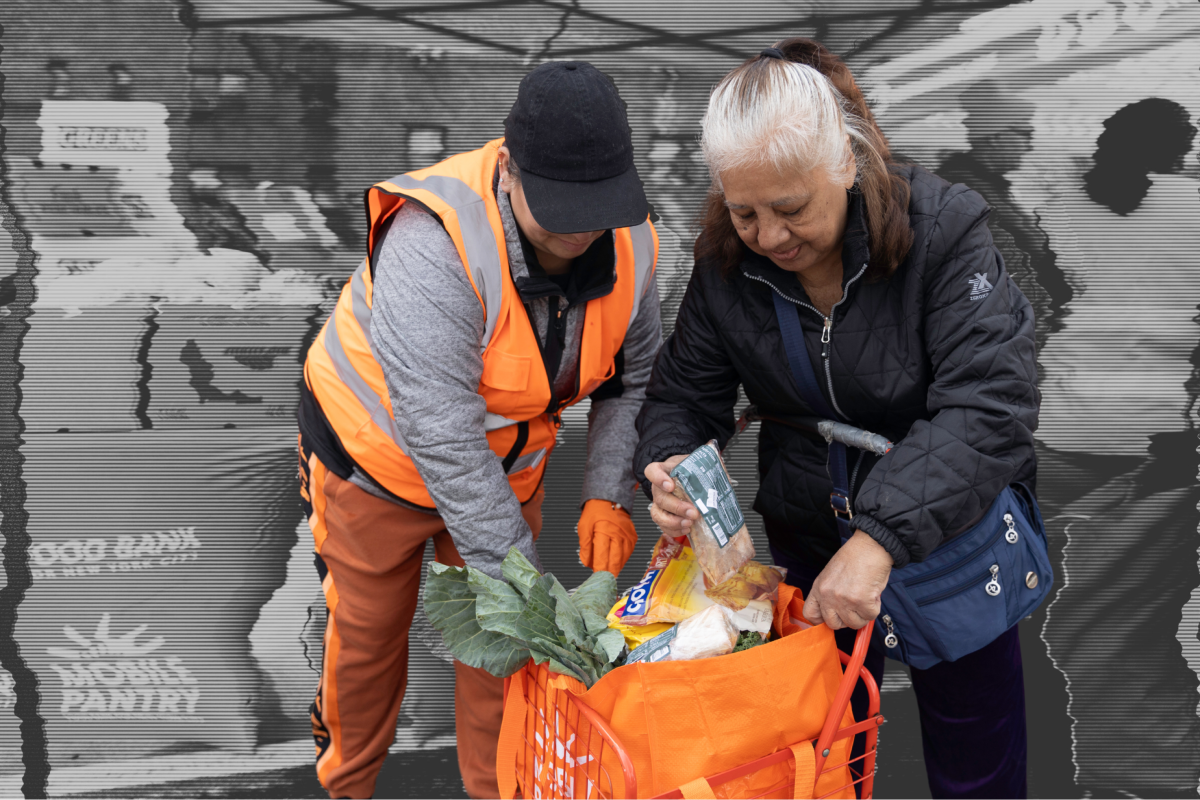
The Trump administration has dealt a blow to the state’s food bank network, which supports around 3 million New Yorkers.
By Jie Jenny Zou

A tiny storefront in Bensonhurst, Brooklyn, has been a lifeline for Marco Ramirez and his family of four.

Three years ago, the 56-year-old began visiting the food pantry operated by Reaching-Out Community Services after his hours as a restaurant cook were cut. Every two weeks, he stops by to select items from a computer kiosk and waits for staff to wheel out his order, free of charge.

On a recent Wednesday afternoon, Ramirez packed his bags with staples like rice, meat, cooking oil and juice. Without the pantry’s help, he said, his family wouldn’t be able to afford pricey items like eggs.

The pantry is part of a vast network supported by the Food Bank for New York City, which recently lost 75 tractor trailer loads of food — 2.5 million meals — due to cancelled shipments from the US Department of Agriculture following President Donald Trump’s abrupt cancellation of over $1 billion in nutrition funding in March.

For food banks across New York state, the state of emergency that began with the pandemic in 2020 never ended.

There are nearly 4,000 outstanding claims currently in a queue that stretches back more than a decade.
By Bianca Fortis

In mid-February, 390 school districts around the state received an unwelcome letter from the state Education Department: They were about to lose $25 million combined from their next state aid payments.

Those districts had been overpaid between the 2011-12 and 2017-18 school years, and the state was taking its money back. The payments were for services for special education students.

Another 255 districts learned that they had been underpaid by the state during that same time period — about $11 million total, according to an analysis by the Association of School Business Officials. In fact, New York state owes more than $300 million to schools statewide in outstanding claims.

But those districts won’t receive the money any time soon. That’s because of an accounting practice called “prior year adjustments.”

Copyright © New York Focus 2024, All rights reserved.
Staying Focused is compiled and written by Alex Arriaga
Contact Alex at alex@nysfocus.com

Feedback? Tips? Pitches? Contact us at: editor@nysfocus.com

Support our work!

Interested in sponsoring these emails? Get in touch! Email editor@nysfocus.com.

This email was sent to *|EMAIL|*

unsubscribe from this list  ·  update subscription preferences

New York Focus · *|HTML:LIST_ADDRESS_HTML|* · USA