Lawmakers are considering weakening the state's recent educational guidelines on yeshivas and other nonpublic schools.
Lawmakers are considering weakening the state's recent educational guidelines on yeshivas and other nonpublic schools. ·  View in browser
NEWSLETTER
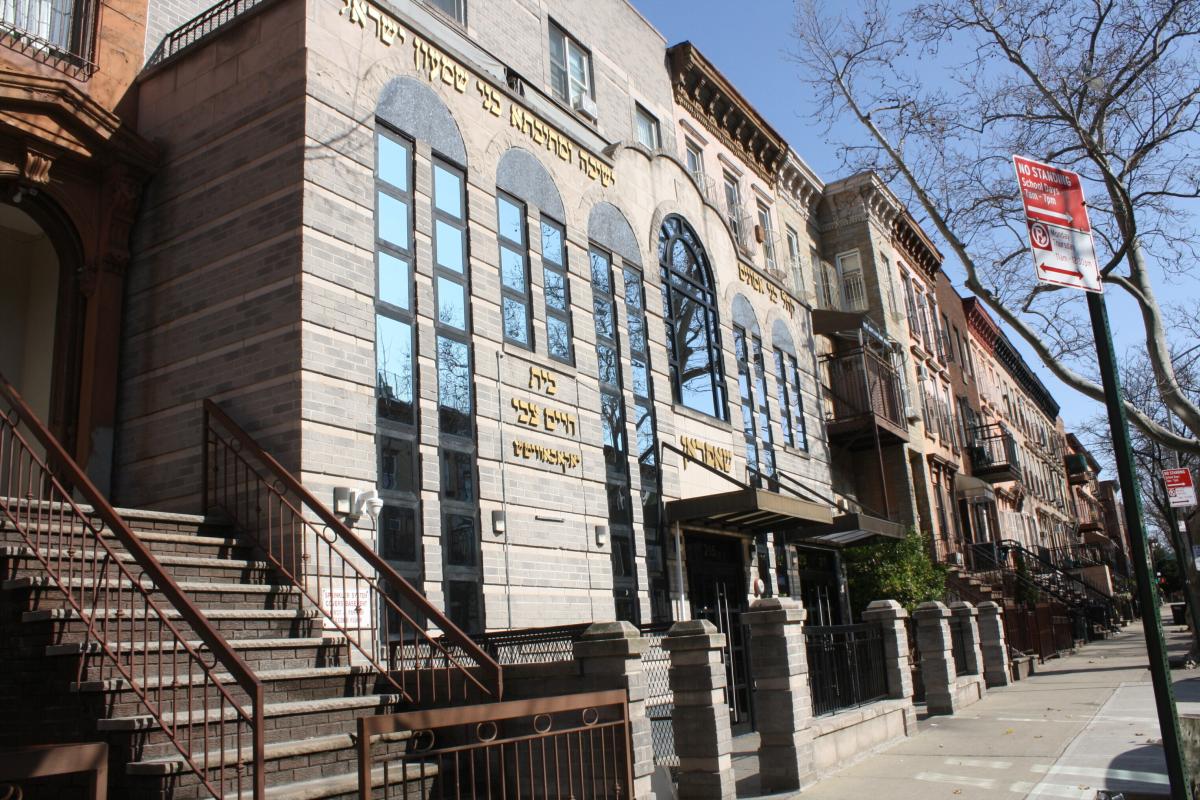
Yeshiva Bnei Shimon Yisroel of Sopron, in Williamsburg, Brooklyn, is one of six yeshivas that has lost public funding, according to the state Education Department. Bianca Fortis
Yeshivas and other nonpublic schools face a looming deadline to prove they offer an education similar to the state’s public schools. A proposed bill would loosen those rules and potentially delay the deadline.
By Bianca Fortis

New York lawmakers are considering weakening the state Education Department's recent guidelines on yeshivas and other nonpublic schools, New York Focus has learned.

These schools face a looming deadline – June 30 – to prove they offer a “substantially equivalent” education as the state’s public schools, under regulations issued in 2022. A draft bill circulating the legislature would loosen those rules and potentially delay the deadline for some schools.

Critics have argued for years that yeshivas, which may prioritize the teaching of religious Jewish texts over subjects like English, math and science, have deprived students, mostly boys, of equal access to education. Some Ultra-Orthodox community leaders have fiercely opposed efforts to regulate how they teach, advocating to retain autonomy over their schools.

The draft text of the bill, submitted by the Assembly, does not identify a sponsor. Its appearance in the final stretch of budget negotiations signals that its backers are seeking to have it inserted directly into a budget bill, rather than have it considered as part of the normal legislative process.

Recent Stories

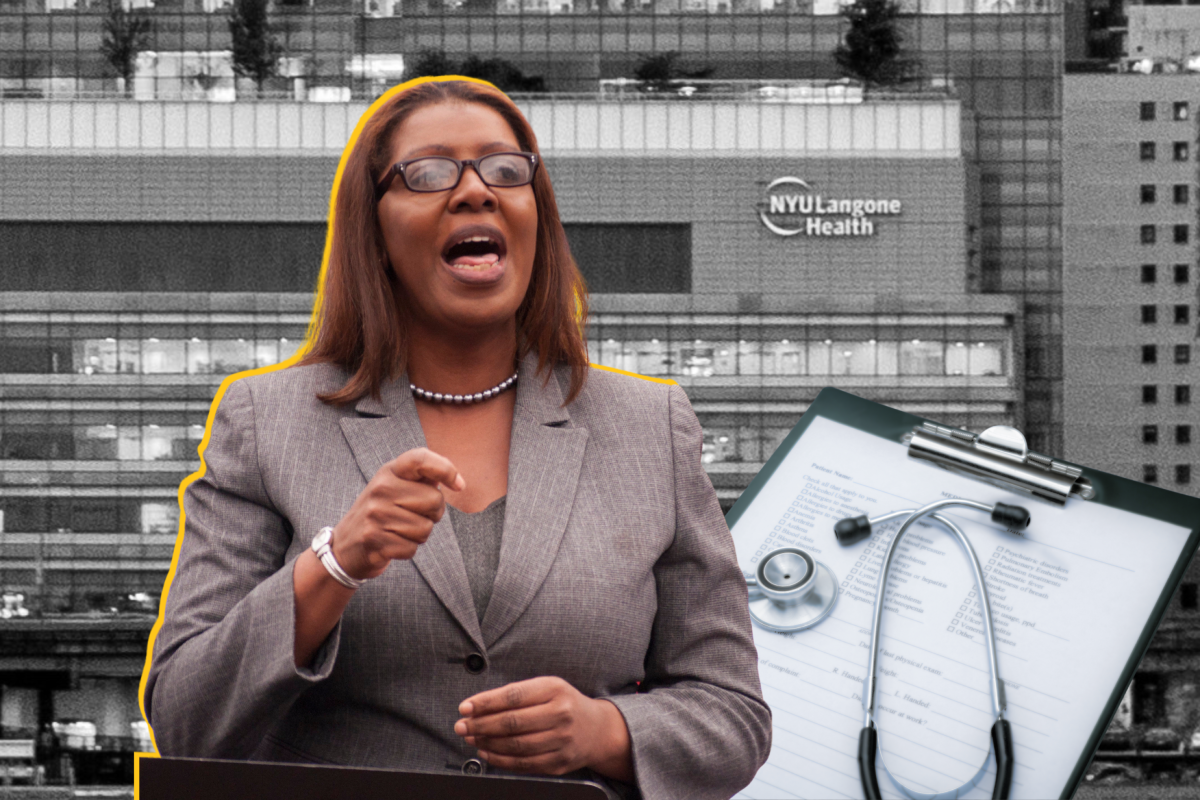
Attorney General Letitia James warned hospitals that denying gender-affirming care to transgender people is against New York law, regardless of the availability of federal funding. Photos: Matthew Cohen, Ajay Suresh / Flickr | Illustration: Leor Stylar
New York law mandates gender-affirming care — but some hospitals are backing down anyway.
By Nathan Porceng

Immediately upon retaking the Oval Office, President Donald Trump issued an executive order directing federal agencies to withhold funding from healthcare entities that provide gender-affirming medical care to people under 19.

Trump’s order sent shockwaves through the LGBTQ+ community. Some healthcare providers — scared of losing their funding and confused about their legal obligations — stopped treating transgender youth.

Legal experts told New York Focus that even if the federal courts ultimately uphold Trump’s order, the Human Rights Law still requires that healthcare providers supply the same treatment to transgender people as they do cisgender people — including gender-affirming care. But while New York’s law is clear, advocates say, litigation is not a cure-all.

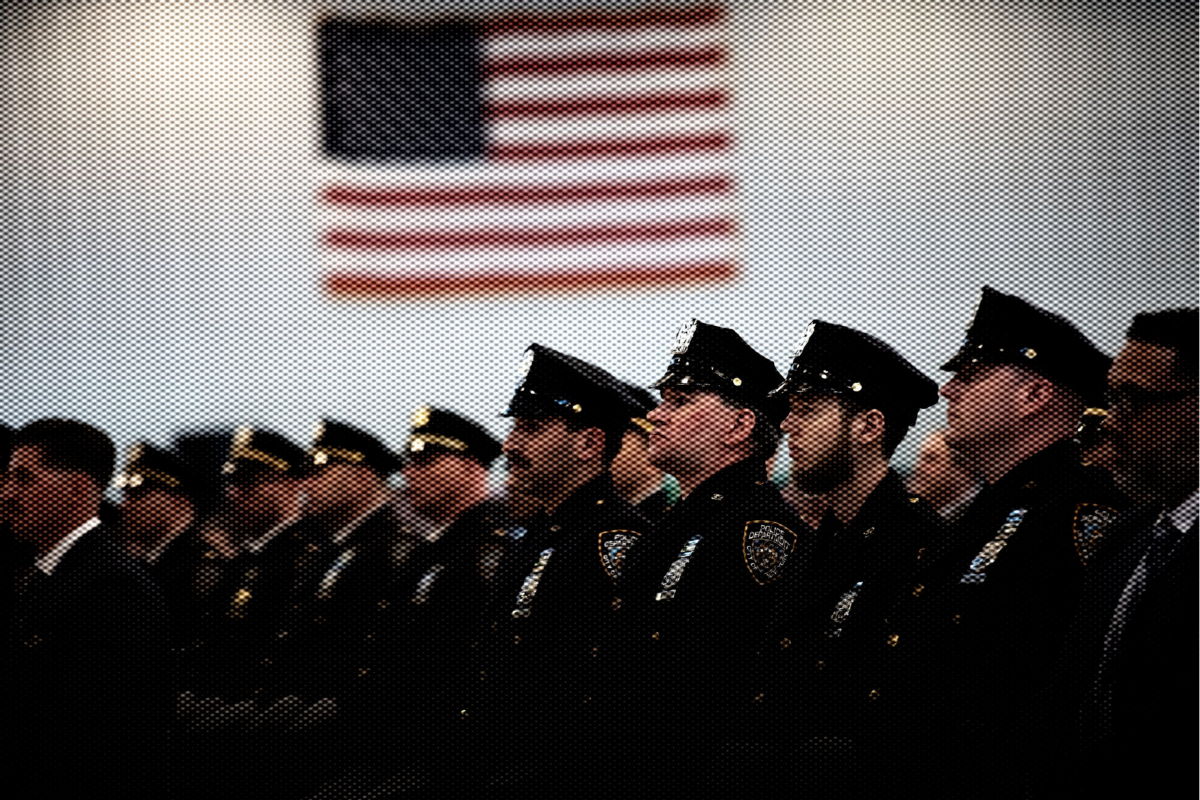
NYPD stops have nearly tripled under Eric Adams Photo: NYC Mayor's Office
Officers recorded over 25,000 stops last year, a 50 percent increase over the previous year. Nine in 10 people stopped by the NYPD last year were Black or Latino.
By Surina Venkat

Stop-and-frisks — otherwise known as Terry stops — refer to the police practice of stopping and patting down the outer clothing of individuals cops suspect to be armed and dangerous. During these stops, police may also search individuals’ belongings.

Under Mayor Michael Bloomberg, NYPD officers stopped hundreds of thousands of individuals each year and conducted a record-high 685,724 stops in 2011. Few stops resulted in arrests, and the practice disproportionately targeted Black and Latino individuals.

NYPD stops sharply decreased in the following years. In 2013, a New York federal judge ruled that the practice was ineffectual and, as implemented under Bloomberg, violated the constitutional rights of minorities. By 2021 — Mayor Bill de Blasio’s final year in office — NYPD officers conducted just 8,947 stops.

Three years later, that number has nearly tripled under the Adams administration.

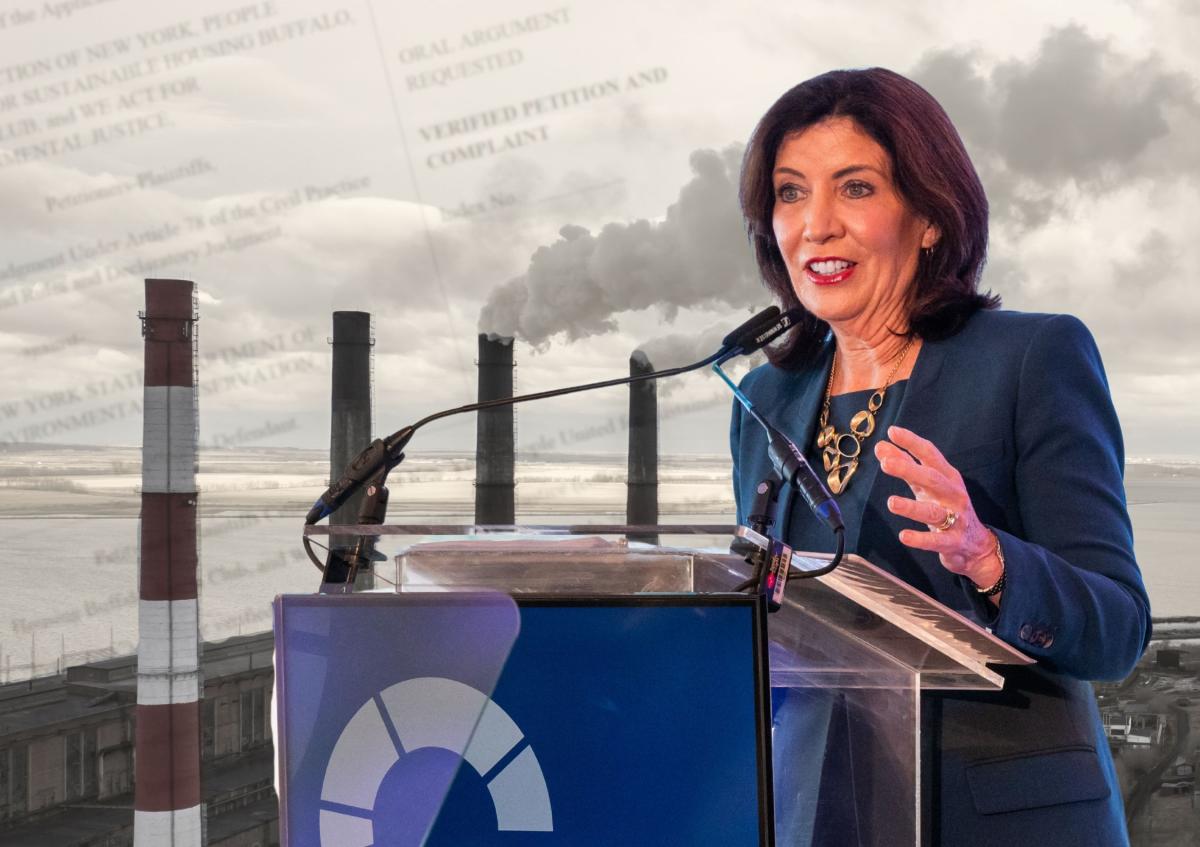
Climate groups brought the case in March after Governor Kathy Hochul slammed the brakes on what was expected to be her signature policy to implement the climate law: an emissions pricing program known as cap and invest. Photo: Darren McGee/Office of Governor Kathy Hochul; Illustration: New York Focus
Environmentalists have long charged that New York is falling short of its climate mandates. Now, they’re taking the state to court.
By Colin Kinniburgh

It’s official: New York is being sued over delays in implementing its climate law.

Four environmental and climate justice groups filed a lawsuit Monday in a state court, claiming that New York is “stonewalling necessary climate action in outright violation” of its legal obligations. By not releasing economy-wide emissions rules, the suit alleges, the state Department of Environmental Conservation, or DEC, is “defying the Legislature’s clear directive” and “prolonging New Yorkers’ exposure to air pollution … especially in disadvantaged communities.”

It’s the first lawsuit to charge the state with failing to enforce the core mandate of its 2019 Climate Leadership and Community Protection Act, or CLCPA: eliminating nearly all of New York’s greenhouse gas emissions by 2050. The law tasks DEC with crafting rules to get there and to reach an interim target of 40 percent emissions cuts by 2030.

Copyright © New York Focus 2024, All rights reserved.
Staying Focused is compiled and written by Alex Arriaga
Contact Alex at alex@nysfocus.com

Feedback? Tips? Pitches? Contact us at: editor@nysfocus.com

Support our work!

Interested in sponsoring these emails? Get in touch! Email editor@nysfocus.com.

This email was sent to *|EMAIL|*

unsubscribe from this list  ·  update subscription preferences

New York Focus · *|HTML:LIST_ADDRESS_HTML|* · USA