Thousands of New Yorkers have new health insurance from the company Leading Edge Administrators. One Massachusetts retiree’s battle with the company highlights the risks they face.
Thousands of New Yorkers have new health insurance from the company Leading Edge Administrators. One Massachusetts retiree’s battle with the company highlights the risks they face. ·  View in browser
NEWSLETTER

Funding local news is more important than ever, and it will take a village to succeed. Join us in our work to rebuild local journalism as a pillar of democracy in New York.

Kevin Danahy at his son George’s college graduation. Courtesy of Kevin Danahy
Thousands of New Yorkers have new health insurance from the company Leading Edge Administrators. One Massachusetts retiree’s battle with the company highlights the risks they face.
By Sam Mellins

Kevin Danahy was shocked when he got a $17,000 bill for a treatment his health insurance company had told him would be covered.

The 60-year-old retiree suffers from cardiac sarcoidosis, a heart condition that is generally treatable but can be dangerous or even fatal without medical attention. It forced him into early retirement from a career in book publishing, so he has relied on a combination of Medicare and the insurance that his wife received from her work.

Since 2020, when he was first diagnosed, his doctors have treated his condition with regular infusions of a drug called Remicade. It’s highly effective, but costs up to five-figure sums per treatment. New York Focus reviewed his doctor’s records, which note that his disease was “severe” before the Remicade treatments, but “highly responsive” once the infusions began. Without them, he runs the risk of his condition worsening dramatically.

In March, a change in his wife’s health insurance endangered his access to the lifesaving drug: Her company switched employees’ health insurance provider to a company known as Leading Edge Administrators, a small private insurer that often partners with Anthem Blue Cross Blue Shield. New York Focus has extensively reported on Leading Edge’s history of unpaid bills, lawsuits, and shoddy coverage.

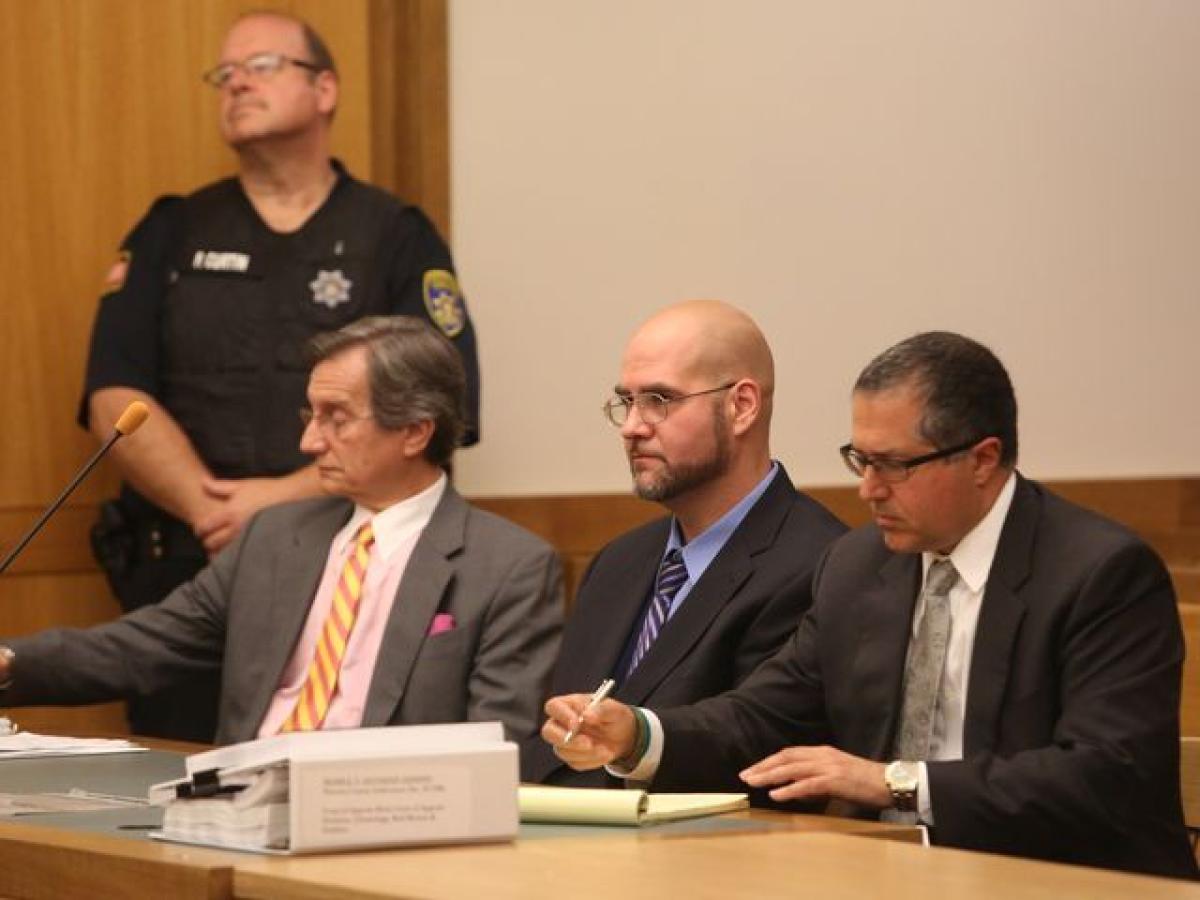
Anthony DiPippo (middle) with attorneys Mark Baker (left) and Marc Agnifilo. Courtesy of Mark Baker
A once-touted statewide conviction review unit lacks independence, authority, and transparency — and Albany hasn’t moved to fix it.
By Willow Higgins and Curtis Brodner

Recent Stories

The Clinton County Jail is one of seven New York county jails currently detaining people arrested by ICE. Photo: Clinton County Corrections Division
So far this year, the state’s county jails have held six times more people for federal immigration authorities than they did in all of 2024.
By Julia Rock and Isabelle Taft

Several New York county jails quietly joined the Trump administration’s rapidly growing immigration detention network this spring.

Seven jails booked a total of nearly 2,800 people arrested for immigration reasons and detained by US Immigration and Customs Enforcement in the first seven months of 2025, up from only 500 booked in New York jails all of last year, according to ICE data — a nearly sixfold increase.

In recent years, two jails, in Orange and Clinton counties, consistently held federal immigration detainees. But since February, Allegany, Broome, Montgomery, Nassau, and Niagara counties have joined them.

Alexander Reed (left) has spent 31 years behind bars for a murder he says he didn’t commit. Courtesy of Javon Reed
Prisoners seeking help from the AG’s office have little chance of review. Here’s one applicant’s story.
By Curtis Brodner

When the New York Attorney General’s conviction review bureau gets involved in someone’s wrongful conviction case, it often succumbs to pressure from the county prosecutors who originally landed them in prison. But in the vast majority of cases, the bureau doesn’t get that far. Instead, it acts as a mail forwarding service, passing cases on to the prosecutors who originally tried them.

That’s what happened to Alexander Reed.

In 2021, Drew Forsythe, the chief of police in Greece, N.Y., drank at an awards gala and then crashed into a guardrail shortly before 1 a.m., according to disciplinary files. Will Cleveland/Democrat and Chronicle
Officers in New York State crashed their official vehicles, hit other motorists and arrived to work reeking of alcohol. And yet, they sometimes evaded criminal punishment, an investigation found.

By Sammy Sussman

This article was published in partnership with The New York Times.

An Orchard Park police officer found the man in the shoulder of a six-lane road, standing near his crumpled black BMW, arguing with his girlfriend.

It was 11 p.m. on a Saturday in 2021, in the suburbs of Buffalo. The BMW had slammed into a Jeep, smashing its left taillight. White high heels were toppled on their sides on the pavement, outside the BMW’s passenger door.

The man’s speech was slurred and his gait was unsteady, the officer, Andrew J. Kowalski, would later note in a report. His eyes were glassy, and he smelled strongly of alcohol.

The officer asked who had been driving. The couple looked at each other.

“We’re State Police,” the woman said. Her boyfriend, Ronald W. Wilson, was an off-duty investigator and had the identification to prove it.

Copyright © New York Focus 2024, All rights reserved.
Staying Focused is compiled and written by Alex Arriaga
Contact Alex at alex@nysfocus.com

Feedback? Tips? Pitches? Contact us at: editor@nysfocus.com

Support our work!

Interested in sponsoring these emails? Get in touch! Email editor@nysfocus.com.

This email was sent to *|EMAIL|*

unsubscribe from this list  ·  update subscription preferences

New York Focus · *|HTML:LIST_ADDRESS_HTML|* · USA