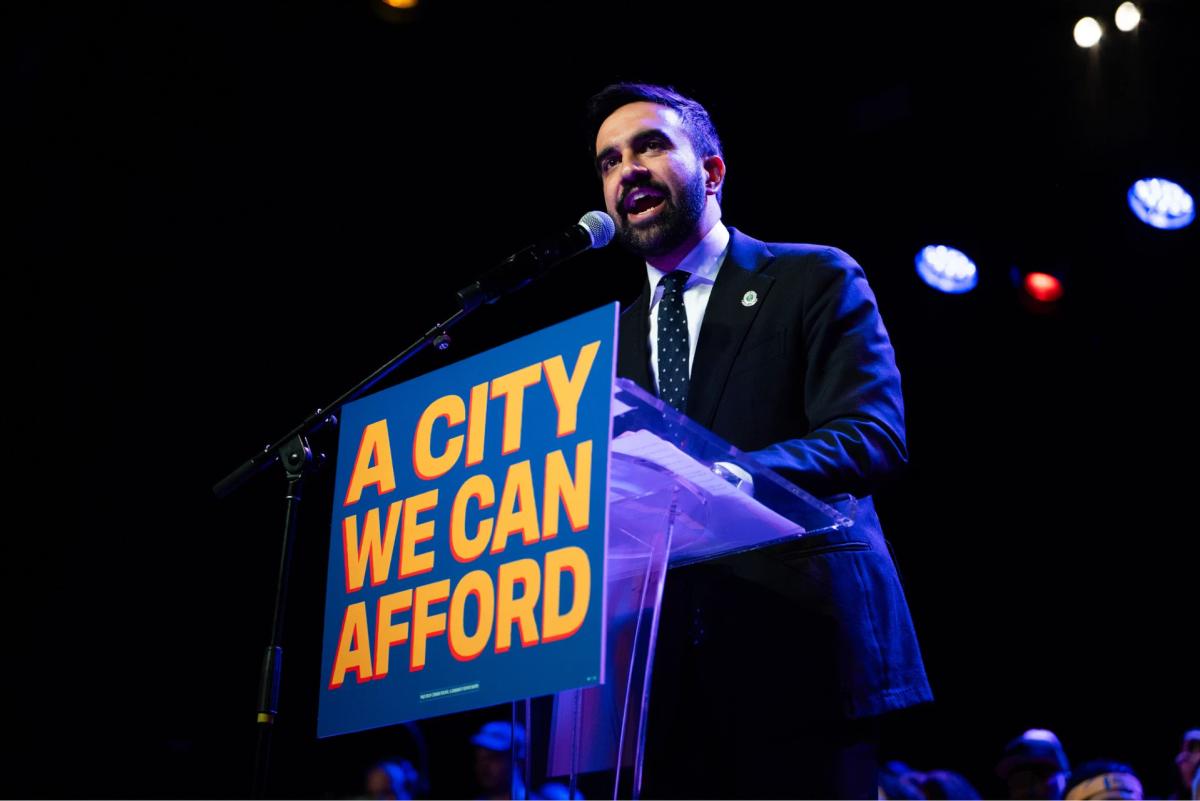
Mamdani’s plans for universal child care, fare-free transit, and affordable housing rely on Albany getting on board.
Mamdani’s plans for universal child care, fare-free transit, and affordable housing rely on Albany getting on board. ·  View in browser
NEWSLETTER

Funding local news is more important than ever, and it will take a village to succeed. Join us in our work to rebuild local journalism as a pillar of democracy in New York.

Mamdani claims a popular mandate for his signature plans. Zohran for NYC
Mamdani’s plans for universal child care, fare-free transit, and affordable housing rely on Albany getting on board.
By Sam Mellins, Julia Rock and Colin Kinniburgh

It’s been a century since a state legislator last became mayor of New York City.

In 1925, state Senator Jimmy Walker triumphed over incumbent John Hylan to become New York City’s 97th mayor. In 1932, he was forced out of office by then-New York Governor Franklin Roosevelt after accepting numerous bribes from businessmen seeking city contracts.

One hundred years later, 33-year old state Assemblymember Zohran Mamdani upended New York politics by soundly defeating former Governor Andrew Cuomo in the Democratic primary for mayor. Though he will face several candidates in the general election in November, including incumbent Mayor Eric Adams running as an independent, Mamdani is favored to win and take office as mayor on January 1.

To enact his ambitious agenda to make the city more affordable, he’d need to strike a better relationship with his former colleagues in Albany than Walker did.

Recent Stories

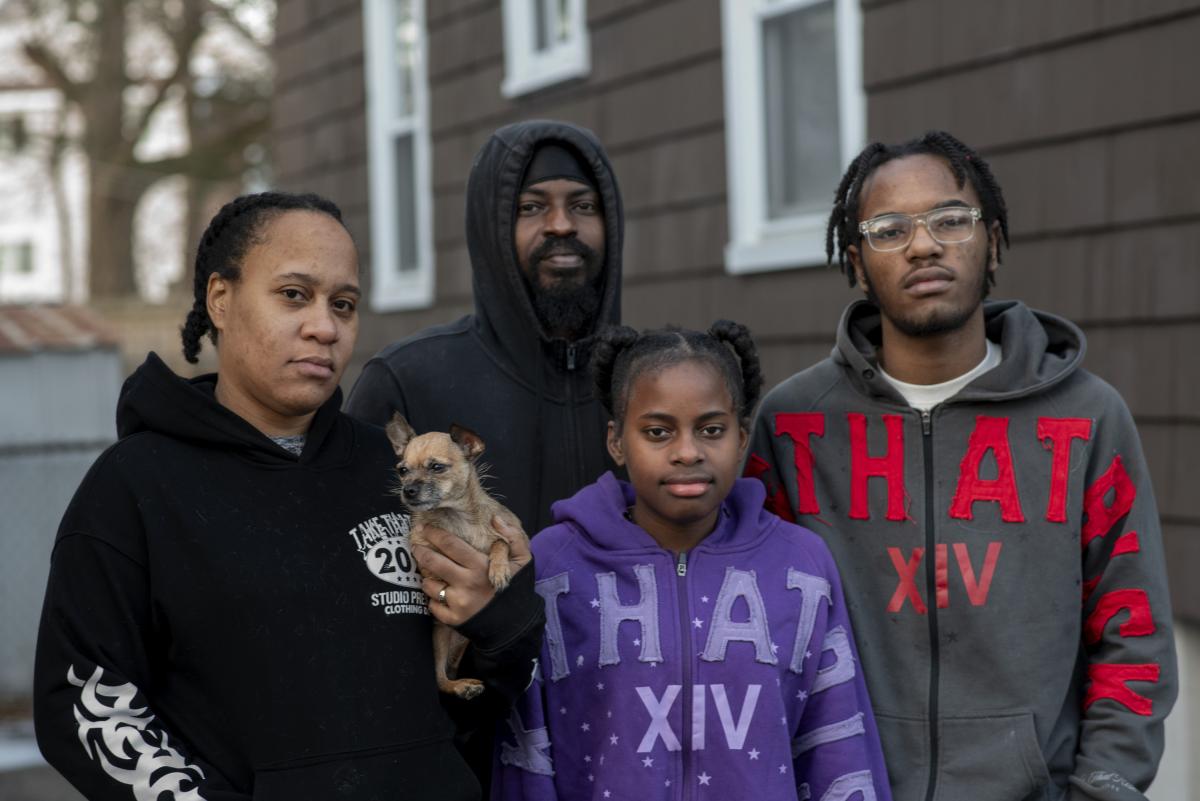
From left to right: Jasmine Stradford; her partner, Tiberious Moses; and two of their children, Taylor and De’Vante. The Broome County, New York, Department of Social Services cycled the family through four roadside hotels over three months. Michelle Gabel for ProPublica
Statewide spending on hotels has more than tripled in recent years. The shift away from shelters has prevented families from accessing services like child care and help finding housing.
By Spencer Norris

Jasmine Stradford sat on her porch near Binghamton, New York, with toys, furniture, garbage bags full of clothing and other possessions piled up around her. She and her partner were being evicted after falling behind on rent.

So last June, they and their children — then ages 3, 12 and 15 — turned to New York’s emergency shelter system for help. It was built to provide homeless residents not only beds, but also food, help finding permanent housing and sometimes child care so parents can find work, attend school or look for apartments.

Stradford and her family received almost none of that. Instead of placing them in a shelter, the Broome County Department of Social Services cycled them through four roadside hotels over three months, where they mostly had to fend for themselves.

“I remember staring at my kids, thinking that I’d failed them,” Stradford said. “Then I remember going to DSS and being completely dehumanized.”

Stradford’s family was part of a growing trend: In the past few years, hotels have quietly become the state’s predominant response to homelessness outside New York City. New York Focus and ProPublica found that the state’s social services agencies placed just under half the 34,000 individuals and families receiving emergency shelter outside the city in fiscal year 2024 in hotels — up from 29% in 2018. The change was most pronounced in Broome County, where hotel cases more than quintupled.

Statewide spending on hotels more than tripled over that period to $110 million, according to an analysis of state temporary housing data by the news organizations. In total, hotels outside New York City were paid about $420 million to shelter unhoused people from April 2017 to September 2024.

A harsh mailer capitalized on recent reporting about a controversial rezoning deal in the Westchester town.
By Chris Bragg

Ahead of today’s primary elections, voters in a suburban Westchester County town opened their mailboxes to find a harsh attack on its top local elected official.

Harrison Supervisor and Mayor Richard Dionisio, who is facing challenges in the Republican, Democratic and Conservative Party primaries — he’s running for all three lines — is “The Most Corrupt Man in NY,” the mailer told voters, alongside a large photo of a recent New York Focus article. (Last month, New York Focus reported on Dionisio’s financial windfall following a controversial rezoning he helped push through.)

Yet the source of the funding behind the mailer is itself murky.

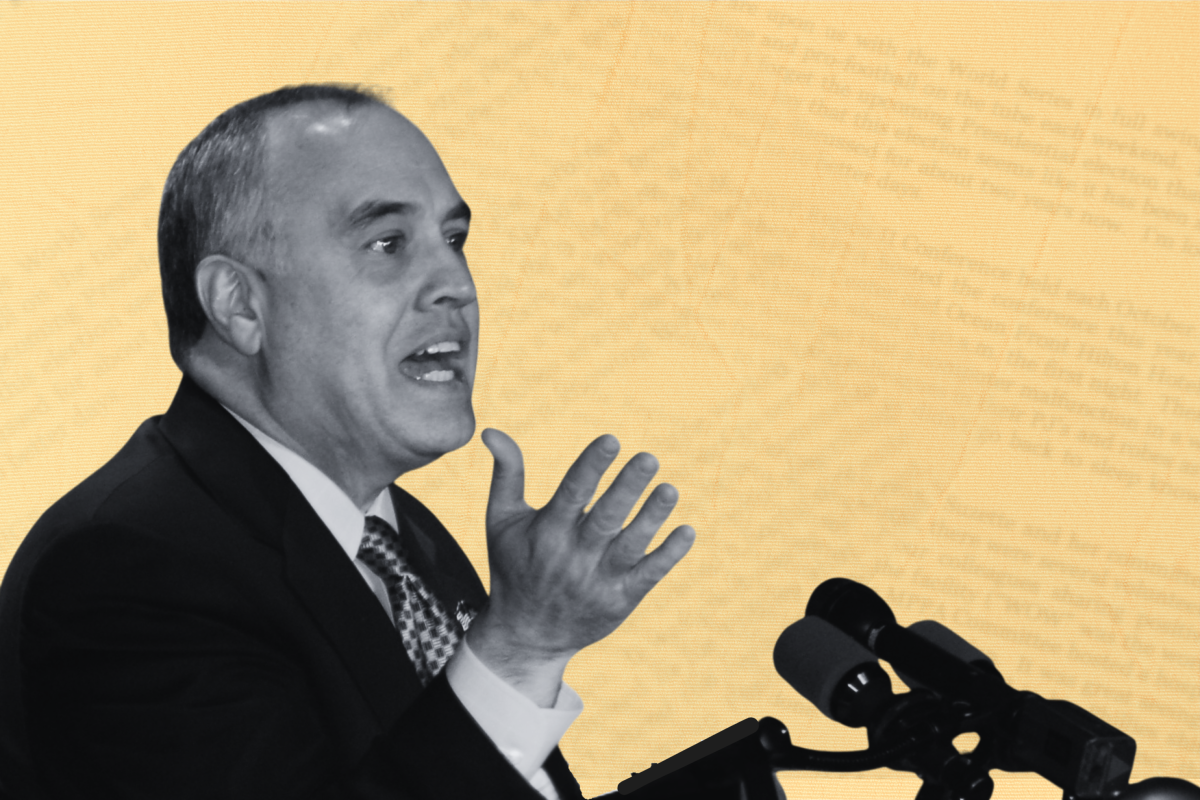
Comptroller Thomas DiNapoli oversees the $275 billion state pension system. Photo: Thomas Good / Wikimedia Commons | Illustration: Leor Stylar
Letters show how the state’s pension funds are enforcing new labor standards for private equity.
By Julia Rock

In the past year, New York’s top financial officer has urged at least three private equity firms responsible for investing billions of state pension dollars to stop anti-union activities among their portfolio companies, according to records obtained by New York Focus.

As Attorney General, Andrew Cuomo put fraudulent debt collection firms on notice. He may have strengthened their hand.
By Sam Mellins

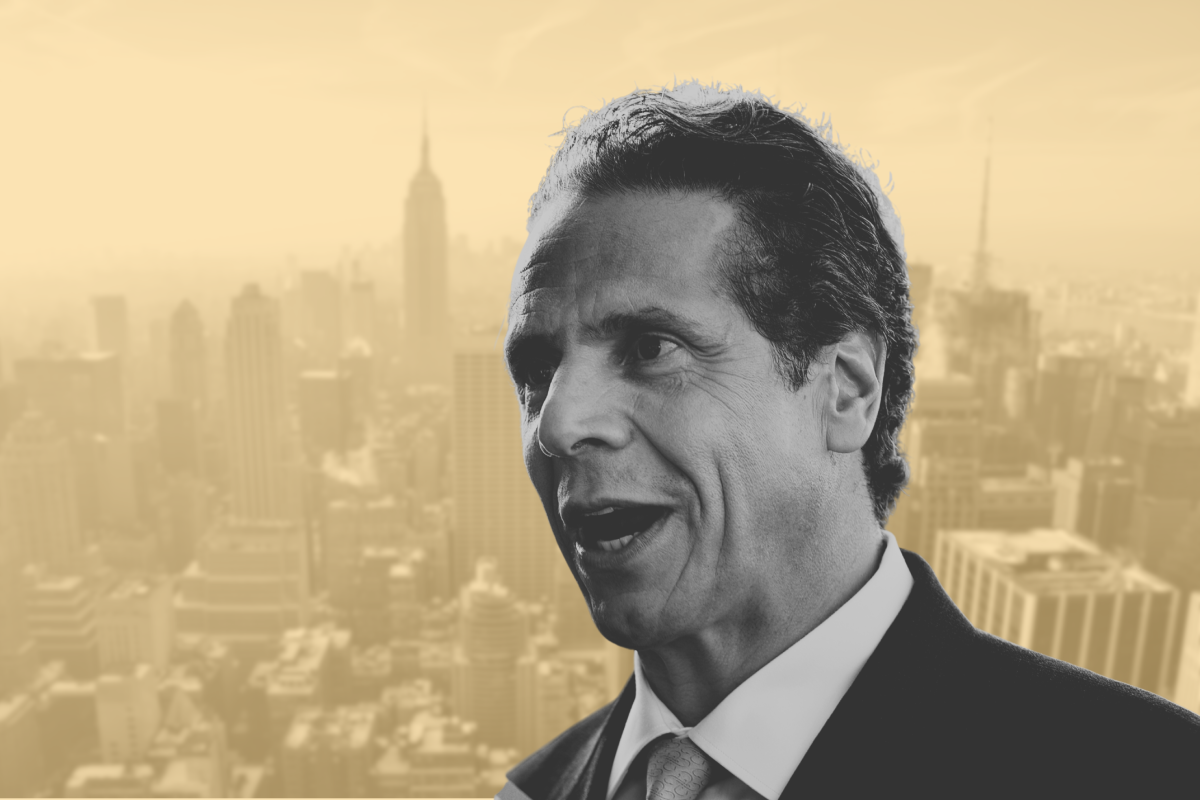
Andrew Cuomo has centered his mayoral campaign on affordability, arguing that his experience in government has equipped him to bring down the cost of living in New York City.

His campaign cites as examples his achievements as governor, like raising the minimum wage and slashing taxes.

But the result of one affordability-centered episode from his time as New York’s attorney general has never received public attention: his pledge to protect 100,000 New Yorkers who had been victimized by shady debt collectors.

In July 2009, he launched a lawsuit on behalf of a judge to recover up to $550 million from collection firms that, he alleged, had violated basic due process rights by filing lawsuits against consumers without legally notifying them.

Cuomo called his lawsuit a “key step in our efforts to uproot unlawful debt collection practices.” He asked a judge to toss out the faulty cases and direct “proper restitution” to any debtor who made payment on an “improperly obtained default judgement.” His office estimated that the average default judgement was around $5,500.

In the end, very few of the cases were tossed out, and even fewer consumers got their money back.

Carolyn Coffey, a career consumers’ rights attorney, remembered praising Cuomo at the time for taking action against the “devastating effects” of fraudulent debt collection and sewer service.

But when his office unveiled the settlement, Coffey was “absolutely horrified,” she told New York Focus.

“It was a complete pass” for the debt collectors Cuomo had promised to hold accountable, she said.

Copyright © New York Focus 2024, All rights reserved.
Staying Focused is compiled and written by Alex Arriaga
Contact Alex at alex@nysfocus.com

Feedback? Tips? Pitches? Contact us at: editor@nysfocus.com

Support our work!

Interested in sponsoring these emails? Get in touch! Email editor@nysfocus.com.

This email was sent to *|EMAIL|*

unsubscribe from this list  ·  update subscription preferences

New York Focus · *|HTML:LIST_ADDRESS_HTML|* · USA