Plus: Scores of New York school districts report using discredited reading curricula.
Plus: Scores of New York school districts report using discredited reading curricula. ·  View in browser
NEWSLETTER
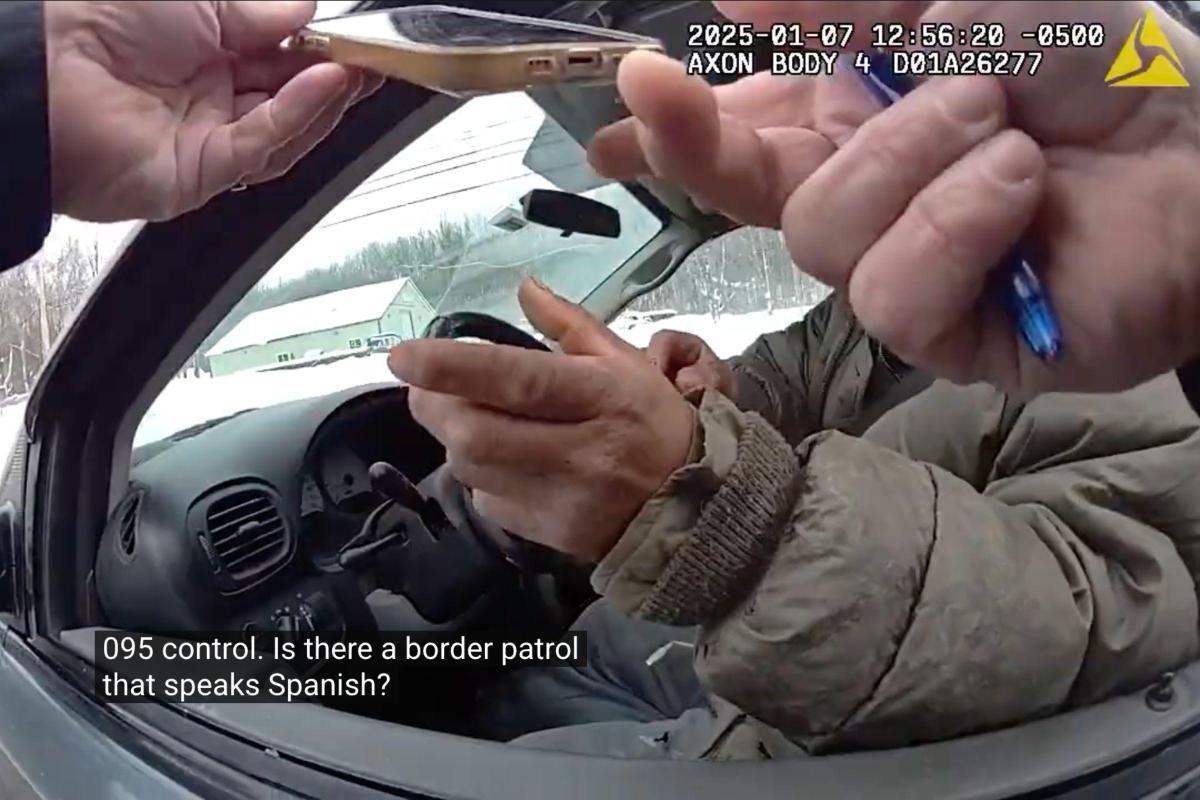
Between January and September last year, officers from the Oswego County Sheriff’s Office called Border Patrol at least a dozen times while holding drivers at traffic stops. Screenshot: Oswego County via public records request
Oswego County sheriff’s deputies held drivers for up to 45 minutes as they waited for immigration agents, potentially breaking the law.
By Sammy Sussman and Liv Veazey

A sheriff’s deputy in Oswego County, in north-central New York, pulled over a driver one afternoon in January 2025. The driver and his passenger only spoke Spanish. So the deputy took the driver’s phone, which had a photo of the driver’s Ecuadorian passport on it, went back to his patrol car, and called up an acquaintance.

That acquaintance: a United States Border Patrol agent.

“They say they speak zero English. I can never know if they’re telling the truth,” the deputy, who identified himself as officer Taylor, told the Border Patrol agent, whom he called Bell. Taylor read the man’s information, including his passport number, over the phone.

“I got nothing on that passport number,” the Border Patrol agent said. “That could mean that he hasn’t come in through the border.”

“Does that mean you should send somebody down here?” Taylor asked.

Before hanging up, Taylor volunteered to try to get identifying information about the passenger as well. While he waited for Border Patrol to arrive, he wrote the driver a ticket.

Half an hour later, a handful of Border Patrol agents arrived and arrested the men.

The case is not unique. Between January and September last year, officers from the Oswego County Sheriff’s Office called Border Patrol at least a dozen times while holding drivers at traffic stops — potential violations of state law — body-worn camera footage obtained by New York Focus through a public records request shows.

A New York Focus analysis of mandatory school surveys submitted to the state has found that more than 130 school districts are still using “balanced literacy” curricula. Photo: Marina Shemesh/Public Domain Pictures | Illustration: Leor Stylar
Two years after Gov. Hochul unveiled her signature literacy policy, advocates say the findings underscore an urgent need for sweeping literacy reform.
By Melissa Manno

When Governor Kathy Hochul unveiled her signature literacy legislation in 2024, she stressed that New York was late to the game — calling it “embarrassing” that Connecticut, New Jersey, and other states had already embraced phonics-based instruction. New York schools had fallen behind the national curve, she said, and had been teaching students how to read the wrong way.

A large reason for that, she emphasized, is that under state law, districts choose their own curricula. The Back to Basics law was supposed to fix that problem, by requiring school districts to align instruction with research on how children best learn to read by September 2025.

Specifically, districts had to start teaching using the “science of reading,” a phonics-based approach grounded in the idea that reading isn’t innate and must be explicitly taught through skills like sounding out words. At the time, it was gaining traction as the policy du jour in literacy instruction as an alternative to “balanced literacy,” an approach long embraced by New York districts that teaches children to instead rely on context clues for reading comprehension.

By passing the Back to Basics plan, New York joined at least 37 states and the District of Columbia in a nationwide movement fueled in part by results in Mississippi, where rigorous literacy laws coincided with major gains in academic performance over the past 13 years.

But a New York Focus analysis of mandatory school surveys submitted to the state has found that more than 130 school districts are still using “balanced literacy” curricula. 

Recent Stories

Master agreements make it difficult to discern exactly what goods and services are being paid for with taxpayer dollars. Box: Carlos Alvarez/Getty Images; Papers: halustd/Canva | Illustration: Leor Stylar
Master agreements let the city wildly exceed spending projections while avoiding typical oversight, the city’s comptroller found.
By Nick Garber and Zachary Groz
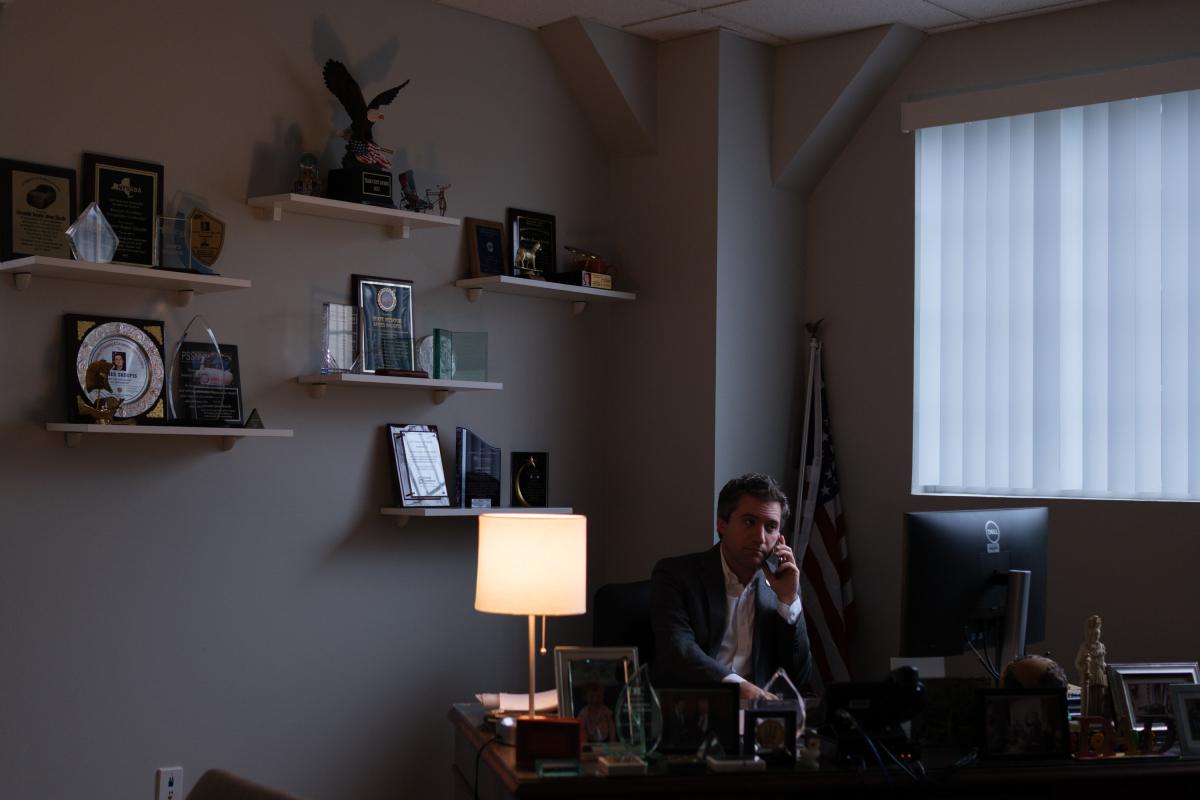
New York state Senator James Skoufis does not shy away from antagonizing his Democratic Party colleagues. Cornwall, New York, Nov. 21, 2025. Marco Postigo Storel/New York Focus
State Senator James Skoufis represents a redder district than almost any other Democrat in Albany.
By Julia Rock
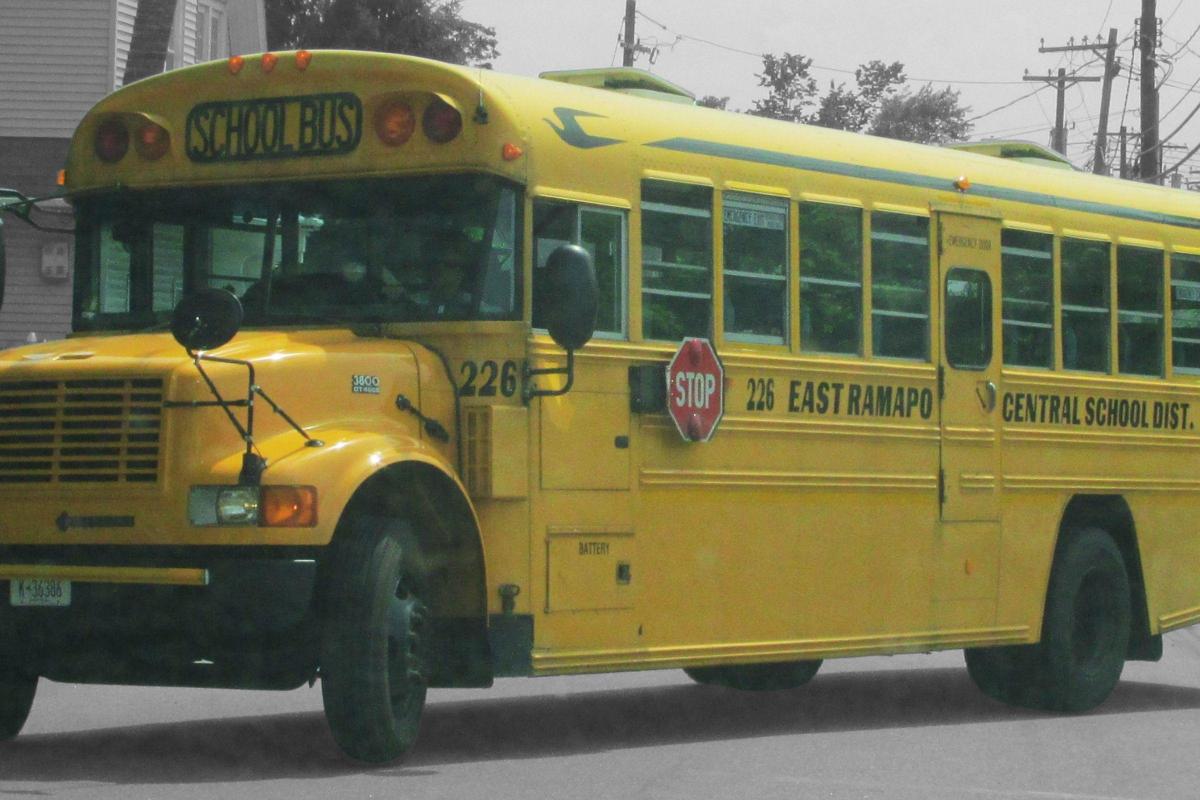
East Ramapo budget cuts have contributed to to high dropout rates, chronic absenteeism, unsafe building conditions, and transportation disruptions in the public school system. Photo: ThoseGuys119/Flickr | Illustration: New York Focus
The East Ramapo school board has been overseen by state monitors for years after it slashed millions in public school funds to bankroll private religious education.
By Melissa Manno
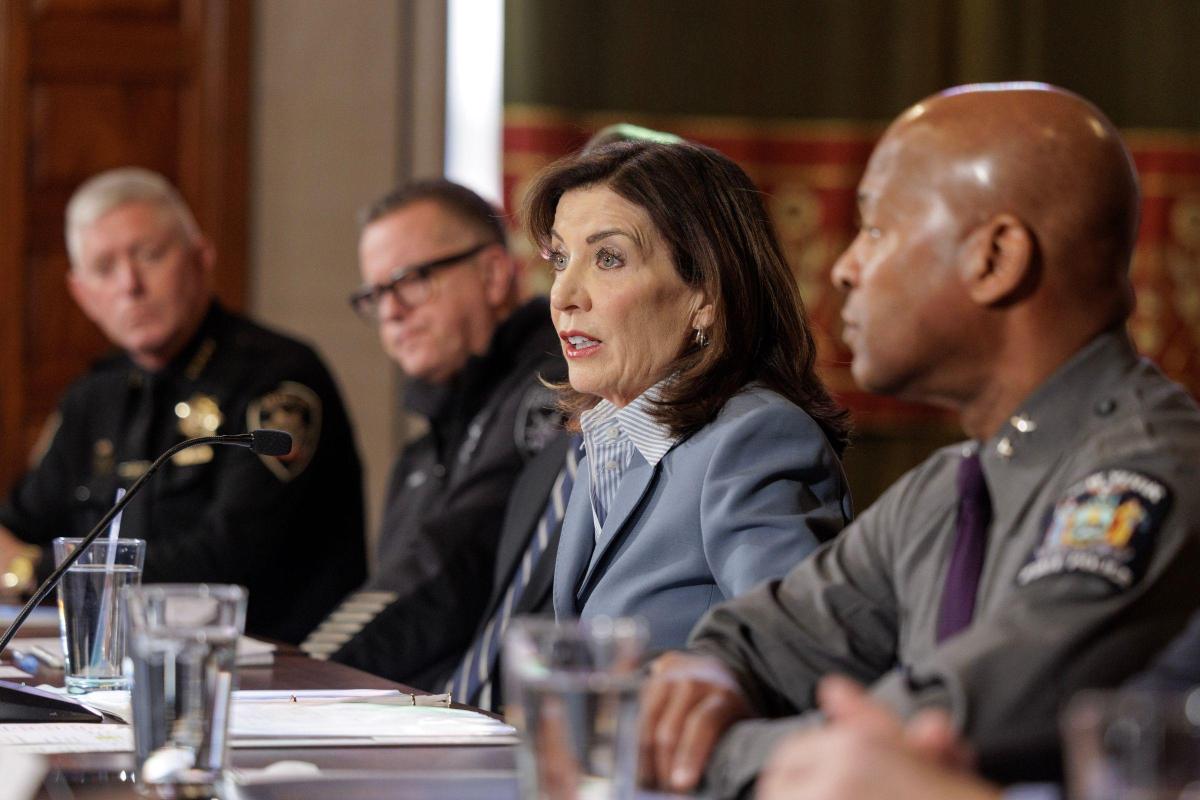
Governor Kathy Hochul speaks about immigration legislation at a roundtable with law enforcement leaders on February 9, 2026. Mike Groll/Office of Governor Kathy Hochul
Hochul’s counter would limit informal collusion with ICE only in civil matters.
By Liv Veazey and Isabelle Taft

Copyright © New York Focus 2024, All rights reserved.
Staying Focused is compiled and written by Alex Arriaga
Contact Alex at alex@nysfocus.com

Feedback? Tips? Pitches? Contact us at: editor@nysfocus.com

Support our work!

Interested in sponsoring these emails? Get in touch! Email editor@nysfocus.com.

This email was sent to *|EMAIL|*

unsubscribe from this list  ·  update subscription preferences

New York Focus · *|HTML:LIST_ADDRESS_HTML|* · USA