Is Shoplifting Decriminalized in New York?

First-time offenders might receive community service, but penalties may be severe.

Ferdi Ferhat Özsoy   ·   August 13, 2025
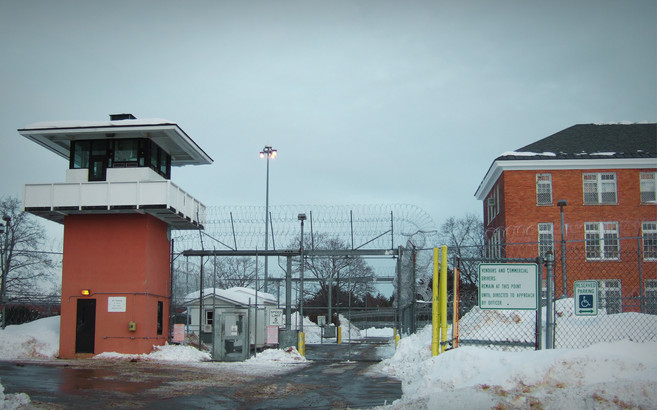
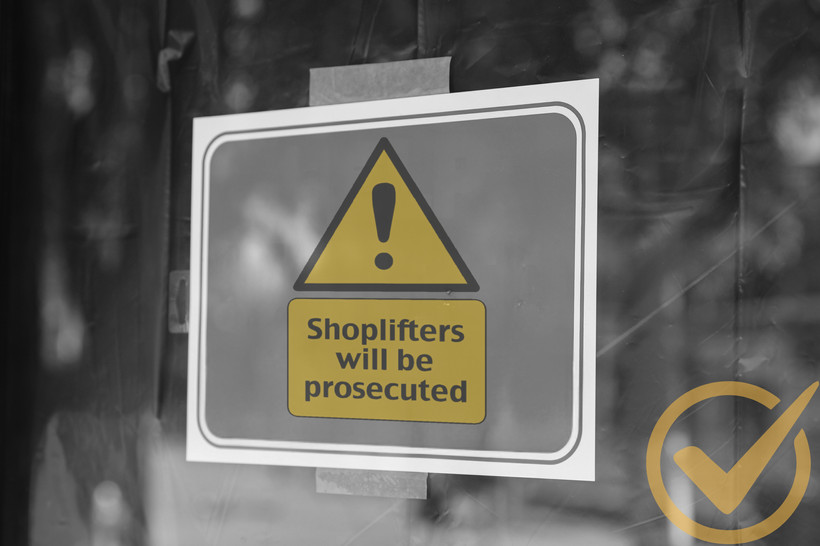
Shoplifting remains fully prosecutable in New York state. | Photos: Photos: Vectorportal.com, lorozco3D/Getty | Illustration: Leor Stylar

Sign up for Staying Focused, our newsletter keeping readers up to speed on New York politics.

NO.

Shoplifting remains a criminal offense under New York state law, prosecuted as larceny.

Theft of property valued at $1,000 or less is classified as petit larceny, a Class A misdemeanor, carrying penalties of up to one year in jail and a fine of $1,000. If the stolen property exceeds $1,000 in value, the crime is charged as grand larceny, a felony that carries multi-year prison sentences and fines ranging from $5,000 to $30,000, depending on the value and circumstances.

The 2019 bail reform law eliminated cash bail for most misdemeanors and non-violent felonies, meaning most accused shoplifters receive desk appearance tickets instead of pretrial detention.

The crime remains fully prosecutable and convictions can lead to substantial penalties. Judges have discretion; first-time offenders might receive community service, but penalties may be severe, particularly in cases of organized retail theft, which now face stronger enforcement and harsher sentences. Shoplifting is not permitted or “decriminalized” anywhere in New York.

New York Focus partners with Gigafact to produce fact briefs, or quick-response fact checks, about trending claims relating to New York state.

This fact brief is responsive to conversations such as this one.

Got a claim you want us to check? Submit it here.

Sources:

  • NY Penal Law §155.25 – Petit Larceny: Link

  • NY Penal Law §155.30 – Grand Larceny: Link

  • NY Penal Law §155.35 – Grand Larceny: Link

  • NY State Senate Bill 2019-S2101A (Bail Reform Law): Link

  • NY Penal Law §155.05 – Larceny Definition: Link

  • NY State Senate Bill S2101A (2019) — Bail Reform Law: Link

BEFORE YOU GO, consider: If not for the article you just read, would the information in it be public?

Or would it remain hidden — buried within the confines of New York’s sprawling criminal-legal apparatus?

I started working at New York Focus in 2022, not long after the outlet launched. Since that time, our reporters and editors have been vigorously scrutinizing every facet of the Empire State’s criminal justice institutions, investigating power players and the impact of policy on state prisons, county jails, and local police and courts — always with an eye toward what it means for people involved in the system.

That system works hard to make those people invisible, and it shields those at the top from scrutiny. And without rigorous, resource-intensive journalism, it would all operate with significantly more impunity.

Only a handful of journalists do this type of work in New York. In the last decades, the number of local news outlets in the state has nearly halved, making our coverage all the more critical. Our criminal justice reporting has been cited in lawsuits, spurred legislation, and led to the rescission of statewide policies. With your help, we can continue to do this work, and go even deeper: We have endless ideas for more ambitious projects and harder hitting investigations. But we need your help.

As a small, nonprofit outlet, we rely on our readers to support our journalism. If you’re able, please consider supporting us with a one-time or monthly gift. We so appreciate your help.

Here’s to a more just, more transparent New York.

Chris Gelardi
Justice Bureau Chief
A photo of Chris Gelardi
Ferdi Ferhat Özsoy is a strategic program leader with over a decade of experience building global partnerships, leading fact-checking initiatives, and advancing civic integrity across 80+ countries. He specializes in grantmaking, community building, and mission-driven operations at the intersection of journalism, technology, and… more
Also filed in Criminal Justice

A bill awaiting the governor’s signature would relax restrictions on who can qualify for victim compensation.

In May, state lawmakers passed a $269 billion budget after haggling for months over thousands of line items and policies affecting New Yorkers.

The legislation would make it easier for currently and formerly incarcerated people and child victims to sue the state over allegations of past abuse.

Also filed in New York State

At a Board of Regents meeting Monday, state officials proposed eliminating credit-based diploma requirements.

The last-minute influx, the biggest ever for a legislative primary, is boosting her opponent, Jessica González-Rojas.

City budget gaps and an ambitious affordability agenda may require pressing Albany again for taxes and aid.