New York Focus identified more than a thousand cases where the use of a controversial interest formula increased a house’s bidding price at auction.
New York Focus identified more than a thousand cases where the use of a controversial interest formula increased a house’s bidding price at auction. ·  View in browser
NEWSLETTER

What will it take to turn Mayor Mamdani’s campaign promises into policy? Join us for a housing policy discussion on February 12.

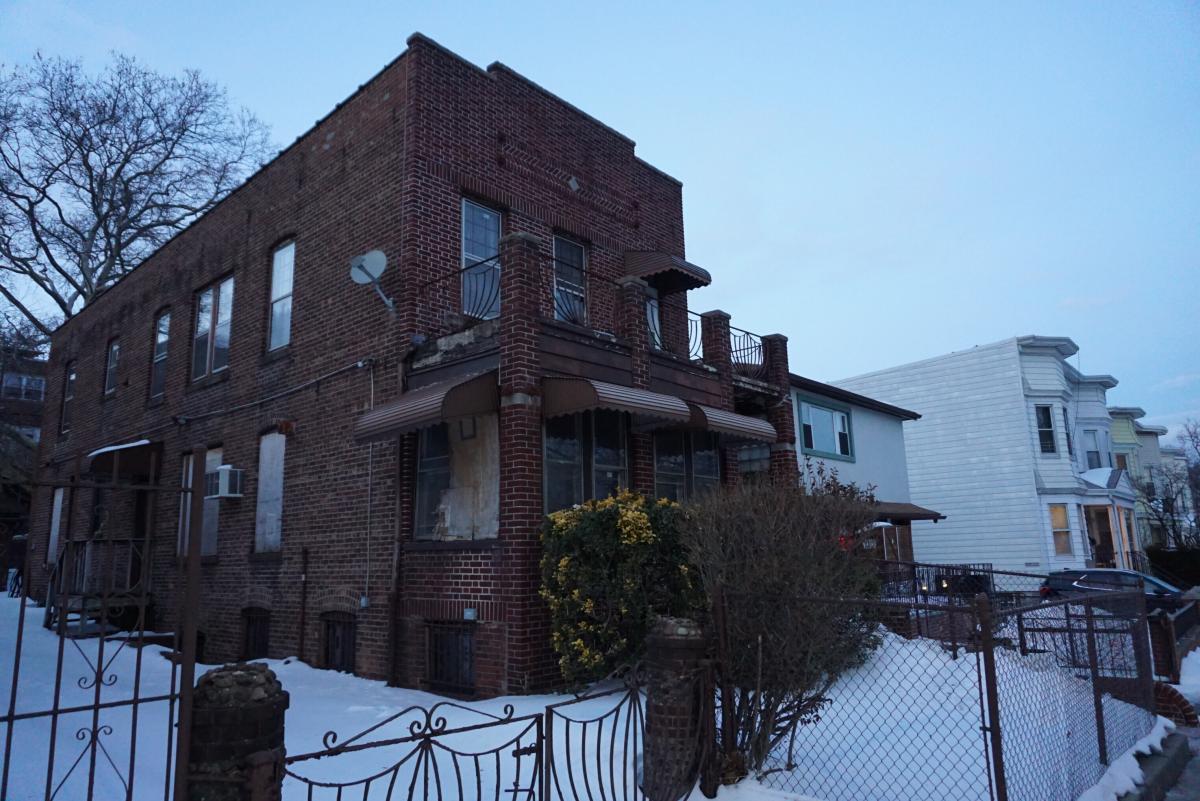
A five-bedroom home in Windsor Terrace, Brooklyn, is the subject of a court battle over whether Emigrant Bank illegally inflated a foreclosure auction bidding price. Colin Kinniburgh/New York Focus
New York Focus identified more than a thousand cases where a disputed interest formula increased a home’s bidding price at auction, allowing a bank to obtain it for a pittance.
By Chris Bragg

It was a Thursday in Brooklyn, the day when investors descend on the borough’s Supreme Courthouse, angling for deals borne of others’ financial ruin.

Next on the day’s docket of foreclosed properties: a five-bedroom home on a tree-lined street in Brooklyn’s Windsor Terrace neighborhood, featuring a balcony, yard, and two-car garage. The minimum bidding price was set at $1.737 million.

The court-appointed referee in charge of the bidding waited for someone to make an offer. “Going once, twice…”

No one stepped forward. That triggered a special provision allowing Emigrant Bank, which had foreclosed on the property, to purchase the home for a mere $100. Soon after, the bank put it on the open market for $2.1 million.

Recent Stories

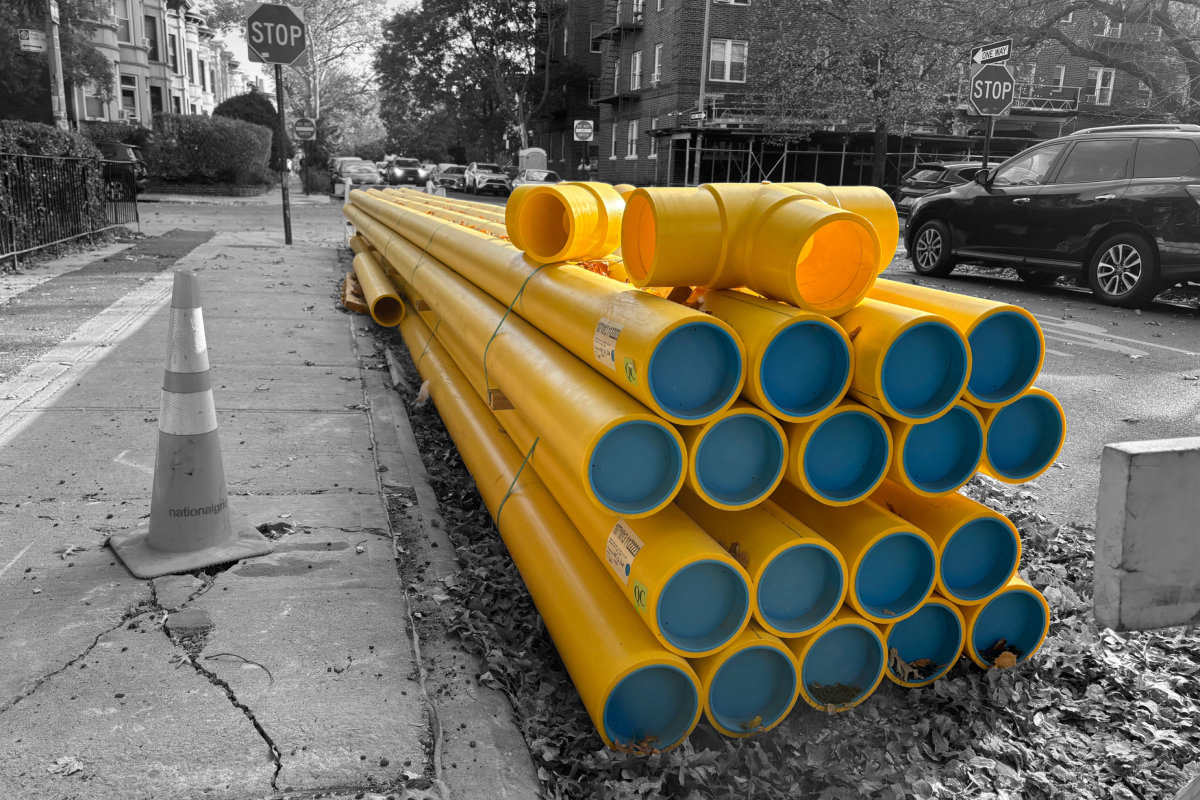
Replacing old, leaky gas pipes has become the largest driver of rising gas bills in New York. Photo: Colin Kinniburgh
New York utilities spend $1 billion a year replacing old gas pipes. New legislation would force them to reveal where that money is being spent.
By Colin Kinniburgh

State lawmakers want gas companies to give New Yorkers more notice when they’re planning to dig up a gas line — and a chance to consider cheaper or cleaner alternatives.

New York’s eight largest gas utilities together spend close to $1 billion a year replacing old pipes, and charge the expense to New Yorkers’ monthly bills. It’s become the largest driver of rising gas bills in New York. The state’s largest gas utility, National Grid, alone plans to spend roughly $500 million on the work just this year in New York City and Long Island — its single biggest construction expense. 

The work is laborious, often involving months of jackhammering and repaving streets and going building by building to swap out gas connections. And it’s often done with little warning.

New York counties are bracing for a host of policy changes to the Supplemental Nutrition Assistance Program. Photos: emalalita/Canva
Will this week’s budget hearing provide insight into the state’s plan to salvage its safety net?
By Jie Jenny Zou, Melissa Manno and Chris Gelardi

As Washington has tightened its grip on social services, New York officials have said little about how they plan to adapt the state’s safety net amid a growing affordability crisis.

That may change during Thursday’s budget hearing in Albany, which will provide a rare opportunity for officials at the Office of Temporary and Disability Assistance and the Office of Children and Family Services to lay out a vision for addressing historic federal cuts while also supporting the state’s most vulnerable New Yorkers.

Here are five questions we’d pose to the state’s human services leaders.

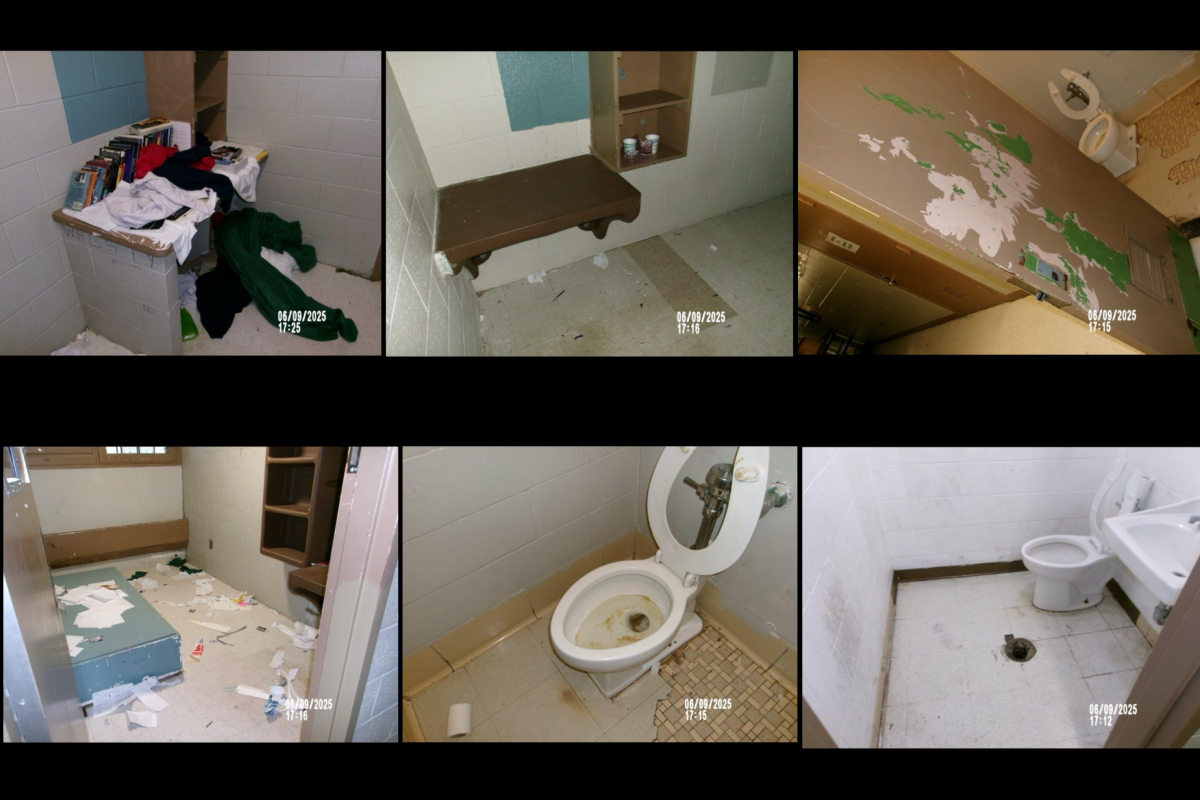
In response to a callout from New York Focus, workers shared photos and documents about conditions at Industry Residential Center, a youth prison near Rochester. Photos courtesy of an Industry Residential Center employee

A yearslong staffing crisis at state-run facilities has taken its toll on incarcerated kids and the workers who watch over them.
By Chris Gelardi

Understaffed units. Apathetic leadership. Anguished kids locked alone in rooms for hours at a time. For some workers at Industry Residential Center, a youth prison complex near Rochester, a job they thought would offer a way to help troubled kids has turned into a nightmare.

Under state regulations, boys incarcerated at the 130-bed complex are supposed to spend their days in class, participate in vocational programs, and socialize with peers in their housing unit. Instead, they've been locked in cells, sometimes for upwards of 23 hours a day, for days or weeks on end, according to a lawsuit filed last month against the state agency that runs the facility. Most of the cells lack bathrooms, leaving the youth to urinate into bottles when they can’t hold it, and some lack air conditioning, staff said. Kids in one building spend summer days sleeping on the floor without clothes.

Crisis is the status quo at Industry, as it has been across much of New York’s youth prison system. For years, pervasive dysfunction has flown under the radar. Staff and advocates for youth hope to change that.

Uber has put nearly $3 million into an independent expenditure committee that supports Hochul’s reelection campaign. Erik McLean/Pexels
The move came weeks after Hochul proposed measures to lower the cost of auto insurance.
By Chris Bragg

Copyright © New York Focus 2024, All rights reserved.
Staying Focused is compiled and written by Alex Arriaga
Contact Alex at alex@nysfocus.com

Feedback? Tips? Pitches? Contact us at: editor@nysfocus.com

Support our work!

Interested in sponsoring these emails? Get in touch! Email editor@nysfocus.com.

This email was sent to *|EMAIL|*

unsubscribe from this list  ·  update subscription preferences

New York Focus · *|HTML:LIST_ADDRESS_HTML|* · USA