NEWSLETTER

What will it take to turn Mayor Mamdani’s campaign promises into policy? Join us for a housing policy discussion on February 12.

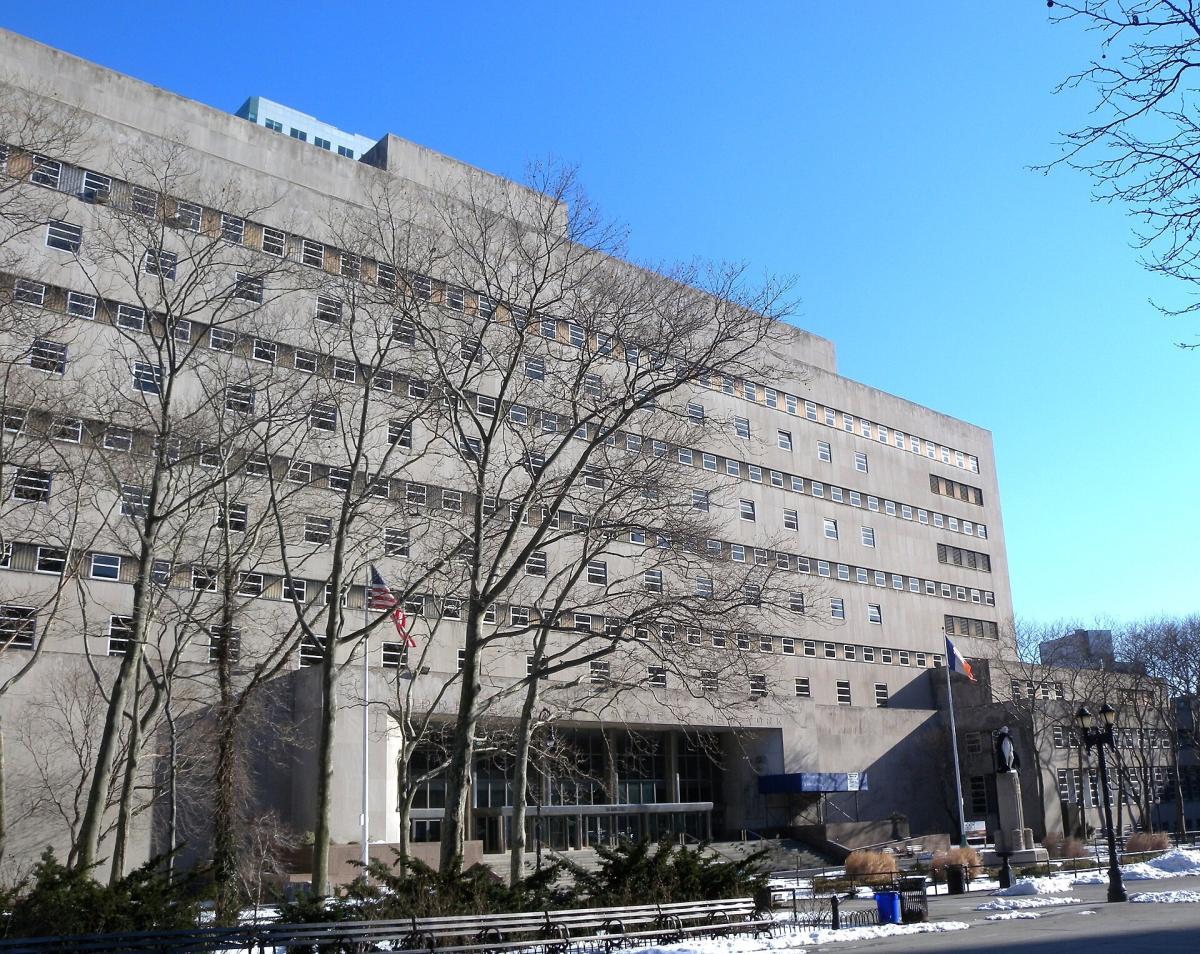
The Kings County Supreme Courthouse was the site of a foreclosure case featuring connections between the judge, court referee, and lawyers on both sides. Beth Wilson/Flickr
A foreclosure case in Brooklyn highlights ties between the courts and political party clubhouses.
By Chris Bragg

On Thursday, New York Focus reported on a Brooklyn foreclosure auction that ended with Emigrant Bank acquiring a Windsor Terrace home for $100 after an allegedly inflated minimum bidding price may have chilled the bidding.

The homeowner’s lawyer, Ravi Batra, filed a motion contesting the auction result. The motion was denied by Brooklyn’s former longtime chief administrative judge, Lawrence Knipel — whose ruling was premised on the false notion that the home had sold for $1.7 million.

Records show that a number of major players in the case — the judge, court referee, and bank’s law firm — had ties to the local political machine, and to each other. No government agency has accused them of wrongdoing related to the case, and Knipel believes the result will be upheld on appeal. But such connections may color litigants’ perceptions of whether justice is being carried out impartially.

“New York City’s court system is intertwined with the kind of party politics that should not exist in courthouses,” said Ben Weinberg, director of public policy at the government reform group Citizens Union.

Recent Stories

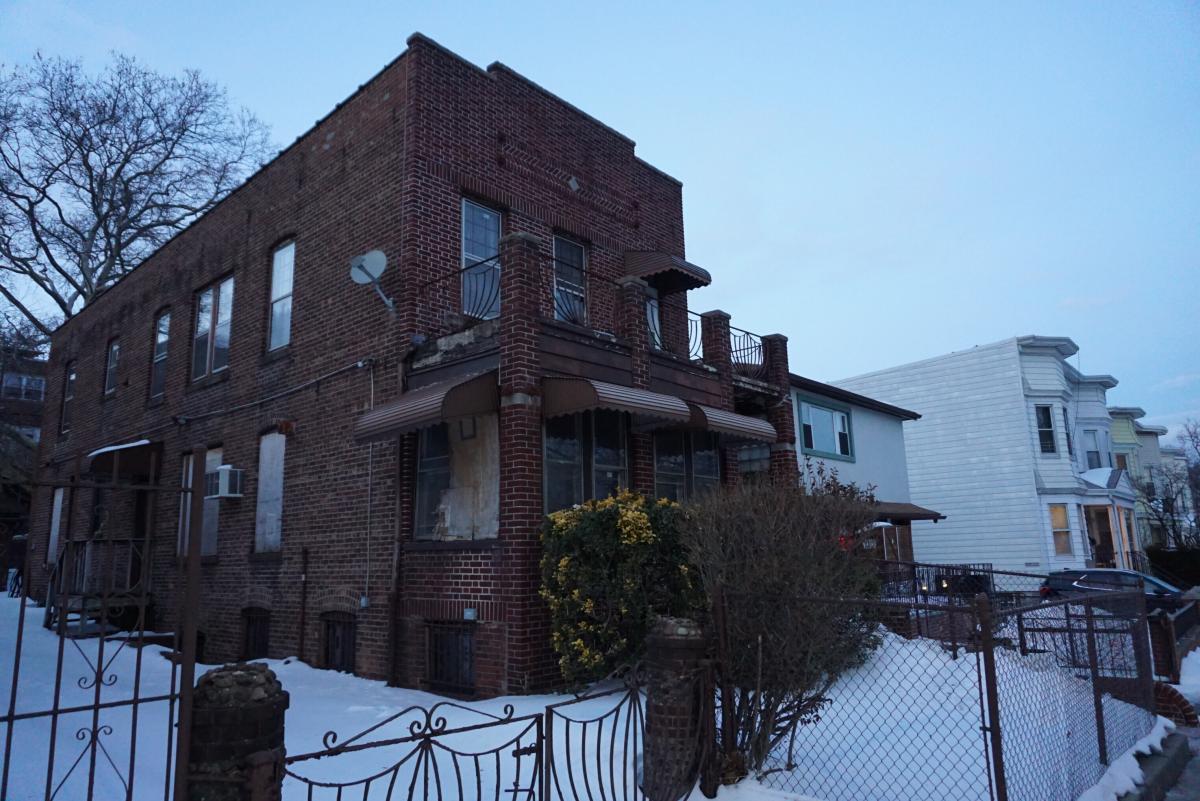
A five-bedroom home in Windsor Terrace, Brooklyn, is the subject of a court battle over whether Emigrant Bank illegally inflated a foreclosure auction bidding price. Colin Kinniburgh/New York Focus
New York Focus identified more than a thousand cases where a disputed interest formula increased a home’s bidding price at auction, allowing a bank to obtain it for a pittance.

By Chris Bragg

It was a Thursday in Brooklyn, the day when investors descend on the borough’s Supreme Courthouse, angling for deals borne of others’ financial ruin.

Next on the day’s docket of foreclosed properties: a five-bedroom home on a tree-lined street in Brooklyn’s Windsor Terrace neighborhood, featuring a balcony, yard, and two-car garage. The minimum bidding price was set at $1.737 million.

The court-appointed referee in charge of the bidding waited for someone to make an offer. “Going once, twice…”

No one stepped forward. That triggered a special provision allowing Emigrant Bank, which had foreclosed on the property, to purchase the home for a mere $100. Soon after, the bank put it on the open market for $2.1 million.

New York counties are bracing for a host of policy changes to the Supplemental Nutrition Assistance Program. Photos: emalalita/Canva
Will this week’s budget hearing provide insight into the state’s plan to salvage its safety net?
By Jie Jenny Zou, Melissa Manno and Chris Gelardi

As Washington has tightened its grip on social services, New York officials have said little about how they plan to adapt the state’s safety net amid a growing affordability crisis.

That may change during Thursday’s budget hearing in Albany, which will provide a rare opportunity for officials at the Office of Temporary and Disability Assistance and the Office of Children and Family Services to lay out a vision for addressing historic federal cuts while also supporting the state’s most vulnerable New Yorkers.

Counties are bracing for a host of policy changes to the Supplemental Nutrition Assistance Program that are expected to overwhelm understaffed social services departments and take a bite out of local budgets. At the same time, child care providers are wondering whether the state’s universal child care plan will leave them behind.

Here are five questions we’d pose to the state’s human services leaders.

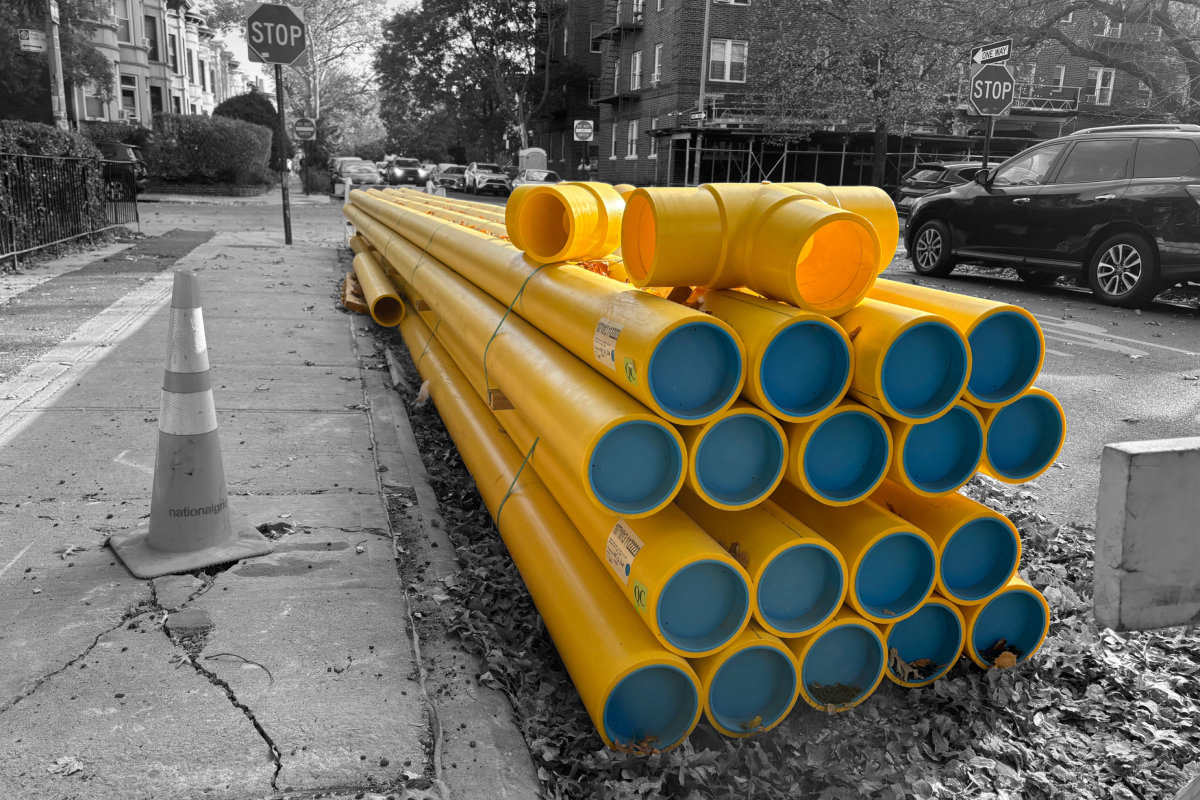
Replacing old, leaky gas pipes has become the largest driver of rising gas bills in New York. Photo: Colin Kinniburgh
New York utilities spend $1 billion a year replacing old gas pipes. New legislation would force them to reveal where that money is being spent.
By Colin Kinniburgh

State lawmakers want gas companies to give New Yorkers more notice when they’re planning to dig up a gas line — and a chance to consider cheaper or cleaner alternatives.

New York’s eight largest gas utilities together spend close to $1 billion a year replacing old pipes, and charge the expense to New Yorkers’ monthly bills. It’s become the largest driver of rising gas bills in New York. The state’s largest gas utility, National Grid, alone plans to spend roughly $500 million on the work just this year in New York City and Long Island — its single biggest construction expense. The work is laborious, often involving months of jackhammering and repaving streets and going building by building to swap out gas connections. And it’s often done with little warning.

Copyright © New York Focus 2024, All rights reserved.
Staying Focused is compiled and written by Alex Arriaga
Contact Alex at alex@nysfocus.com

Feedback? Tips? Pitches? Contact us at: editor@nysfocus.com

Support our work!

Interested in sponsoring these emails? Get in touch! Email editor@nysfocus.com.

This email was sent to *|EMAIL|*

unsubscribe from this list  ·  update subscription preferences

New York Focus · *|HTML:LIST_ADDRESS_HTML|* · USA