A bill introduced by Assemblymember Anna Kelles aims to harness home batteries, electric vehicles, and other clean tech to meet reliability needs.
A bill introduced by Assemblymember Anna Kelles aims to harness home batteries, electric vehicles, and other clean tech to meet reliability needs. ·  View in browser
NEWSLETTER
Assemblymember Anna Kelles introduced legislation on Thursday that would require all of the state’s major electric utilities to create “virtual power plants.” Anne Kelles photo: New York state Assembly Majority; Background photos: andiiwan, anuka5296, Jirasukhanont, Jordi Calvera/Canva | Illustration: New York Focus
A bill introduced by Assemblymember Anna Kelles aims to harness home batteries, electric vehicles, and other clean tech to meet reliability needs.
By Colin Kinniburgh

A New York state lawmaker wants to accelerate the state’s transition to a more flexible electric grid.

Assemblymember Anna Kelles, of Ithaca, introduced legislation last week that would require the state’s major electric utilities to create “virtual power plants” — networks of home batteries, smart thermostats, electric vehicles, and other devices that companies can draw on to keep the lights on at peak times. It aims to rapidly scale up the programs by creating new incentives for customers to participate.

The idea behind the bill is gaining traction among energy experts as states contend with rising electricity demand and soaring energy bills, as New York Focus recently reported.

Recent Stories

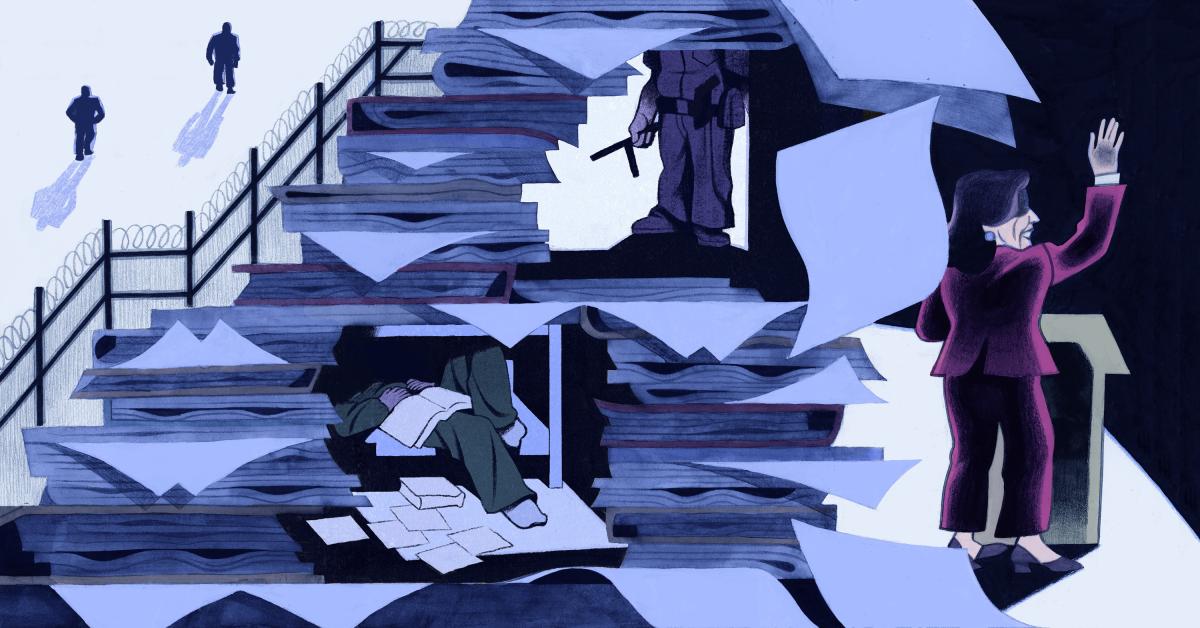
When the governor doesn’t commute sentences, and the legislature won’t act, the carrot-and-stick system of rehabilitation disintegrates.
By John J. Lennon

This essay was published in partnership with The Marshall Project, a nonprofit news organization covering the US criminal justice system. Sign up for their newsletters, and follow them on Instagram, TikTok, Reddit and Facebook.

My neighbor, Jean Frantz, 52, has been in prison since he was 20 years old. Several of his teenage years were spent locked up, too. He sports a baldie with a razor scar that stretches from the top of his head to the back of his neck, a reminder of darker times earlier in his bid; he’s now served 32 years of the 47-and-a-half-years-to-life sentence he received after a robbery went sideways in Queens.

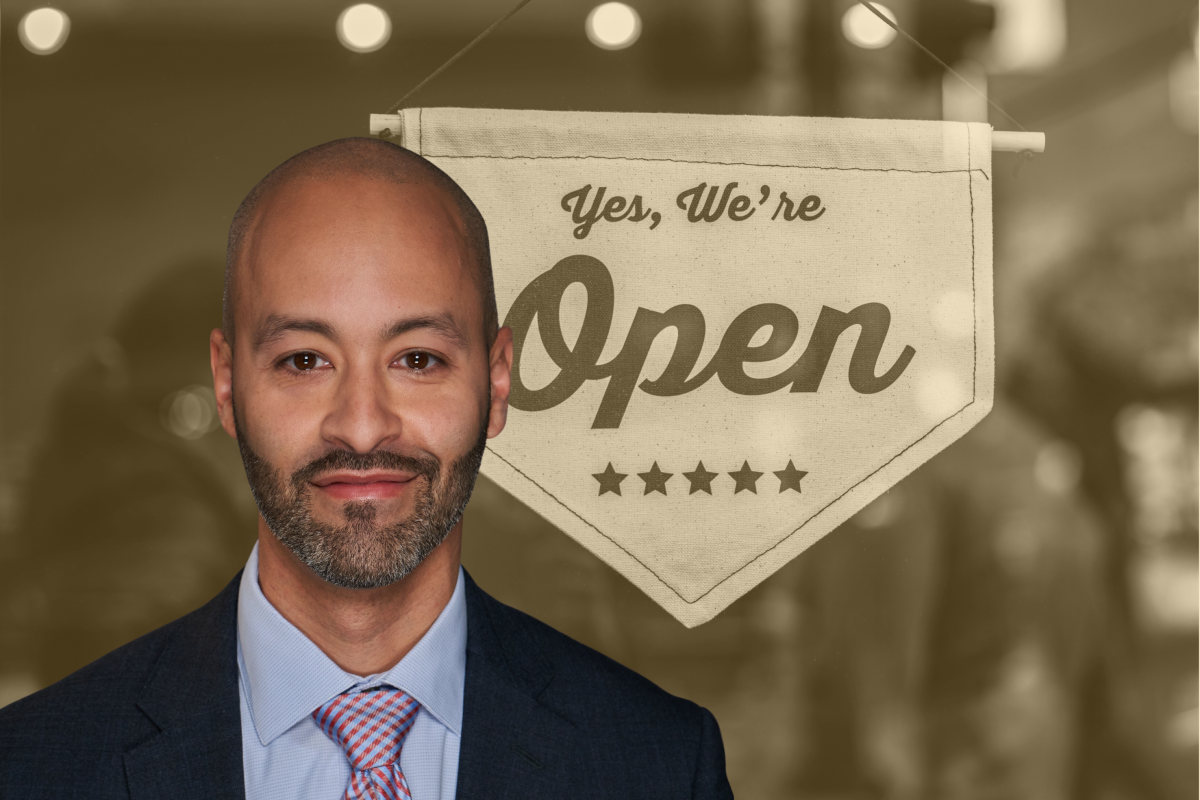
Mayor Zohran Mamdani will appoint Kenny Minaya as commissioner of the Department of Small Business Services on Monday. Photos: NYC Mayor's Office; Tim Mossholder/Pexels | Illustration: New York Focus
As Small Business Services commissioner, Kenny Minaya will be charged with slashing fees and helping street vendors.
By Nick Garber

New York City Mayor Zohran Mamdani will appoint Kenny Minaya, a lawyer and longtime city official, as commissioner of the Department of Small Business Services on Monday, New York Focus has learned.

With a roughly $140 million budget, the 300-person agency gives out grants to small businesses, helps them navigate the city bureaucracy, and oversees the city’s 78 business improvement districts — nonprofits that charge fees to businesses and landlords in certain neighborhoods in exchange for security and sanitation services.

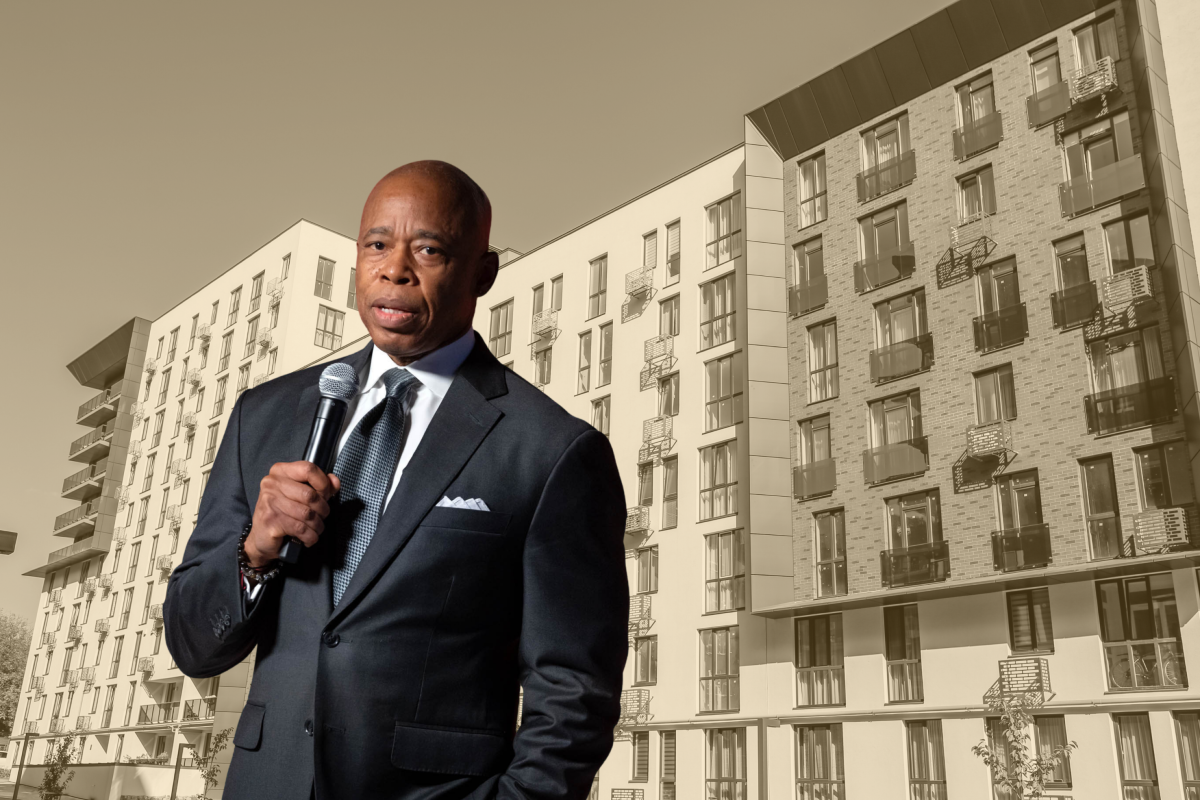
Eric Adams’s proposed a fix to New York City’s property tax system — but couldn’t get Albany lawmakers to introduce it. Eric Adams photo: Ed Reed/Mayoral Photography Office; Building photo: Olha Tsiplyar/Canva | Illustration: New York Focus
As Zohran Mamdani prepares to unveil property tax reforms, he must weigh a plan he inherited from his predecessor.
By Nick Garber

New York City Mayor Zohran Mamdani made a bold pledge last month: Within weeks, he would send state lawmakers a plan to fix the city’s broken property tax system.

A failed attempt by his predecessor, Eric Adams, shows why that won’t be easy.

The city’s property tax system is widely considered to be unfair because it taxes lower-income neighborhoods at higher rates than wealthy ones, and taxes big apartment buildings, where tenants tend to live, at higher rates than expensive co-ops and condos. Last spring, the Adams administration pitched state lawmakers on a set of reforms, but the effort died after the mayor was unable to find any legislators willing to even sponsor the bill.

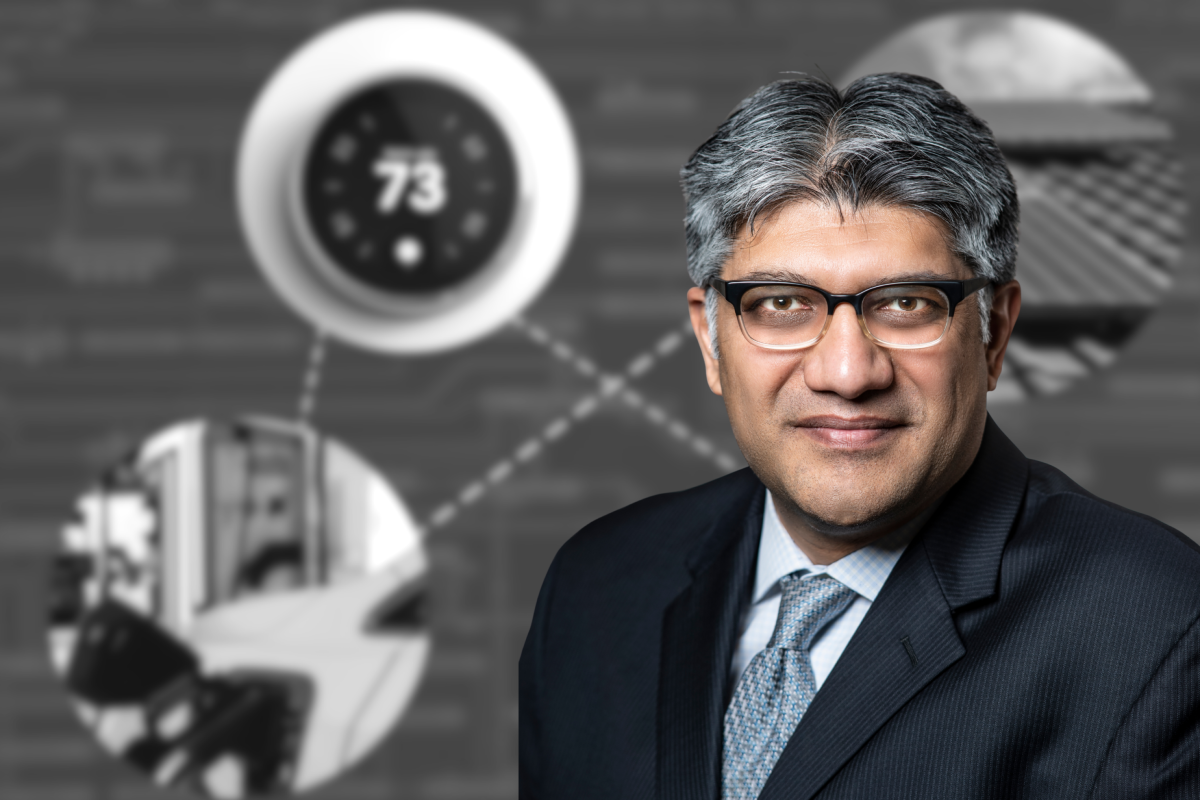
Clean energy expert Jigar Shah explains why New York has been slow to change. Jigar Shah photo: US Govt/Wikimedia Commons; Background photos: andiiwan, anuka5296, Jirasukhanont, Jordi Calvera/Canva | Illustration: New York Focus
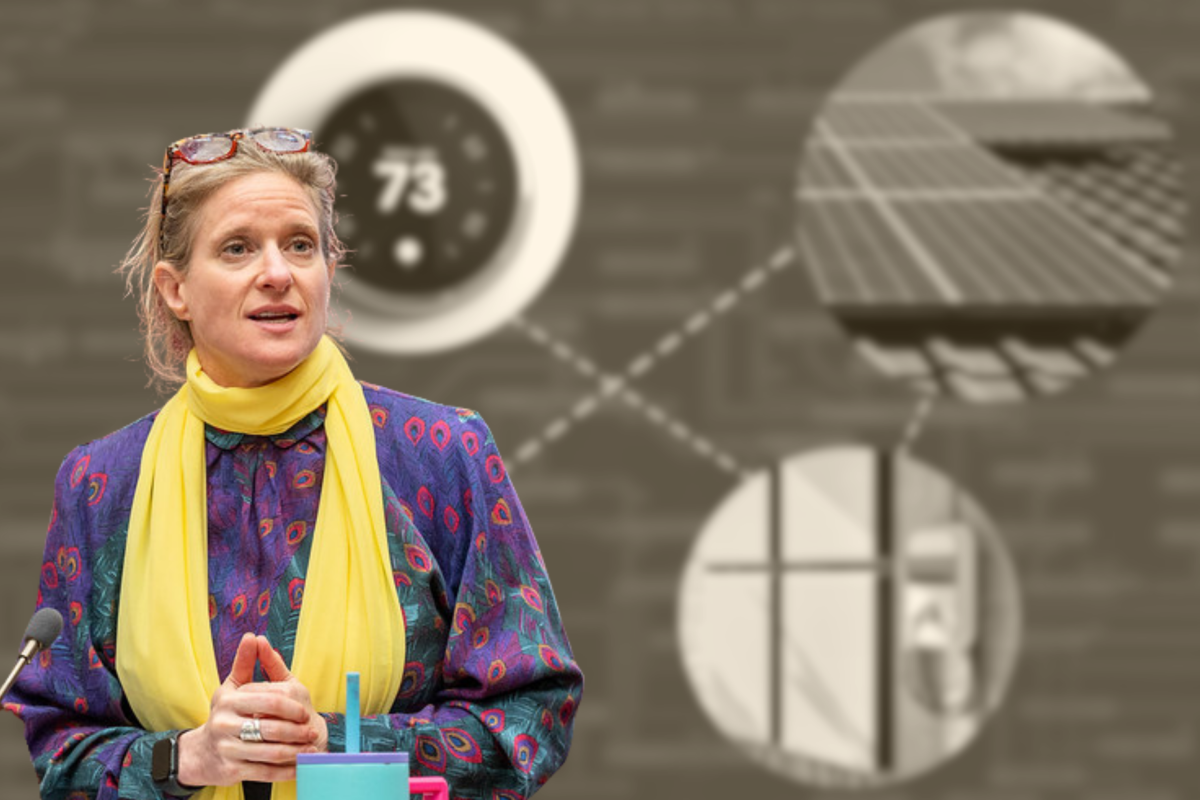
The energy expert discusses his vision for a more flexible grid — and what’s standing in the way.
By Colin Kinniburgh and Jack Carroll

Over his more than two decades as a clean energy entrepreneur and commentator, Jigar Shah has established himself as one of the most prominent voices calling for a more decentralized, flexible grid. From founding the company SunEdison in 2003 to heading up the US Department of Energy’s Loan Programs Office under former President Joe Biden, Shah has helped finance a generation of clean energy projects. He also had a hand in shaping New York’s energy policies as a board member of the state energy authority NYSERDA from 2014 to 2017, when the agency was building up its rooftop solar program and pursuing a deeper electric grid overhaul known as “Reforming the Energy Vision.” (That effort remains unfinished, as New York Focus recently reported.)

New York Focus spoke with Shah in December as part of a broader look at virtual power plants. He discussed his vision for a more flexible grid and why New York’s efforts to achieve one have been slow to take off.

Copyright © New York Focus 2024, All rights reserved.
Staying Focused is compiled and written by Alex Arriaga
Contact Alex at alex@nysfocus.com

Feedback? Tips? Pitches? Contact us at: editor@nysfocus.com

Support our work!

Interested in sponsoring these emails? Get in touch! Email editor@nysfocus.com.

This email was sent to *|EMAIL|*

unsubscribe from this list  ·  update subscription preferences

New York Focus · *|HTML:LIST_ADDRESS_HTML|* · USA