Building nuclear will test whether the state is still capable of constructing megaprojects like it's done in the past.
Building nuclear will test whether the state is still capable of constructing megaprojects like it's done in the past. ·  View in browser
NEWSLETTER

Funding local news is more important than ever, and it will take a village to succeed. Join us in our work to rebuild local journalism as a pillar of democracy in New York.

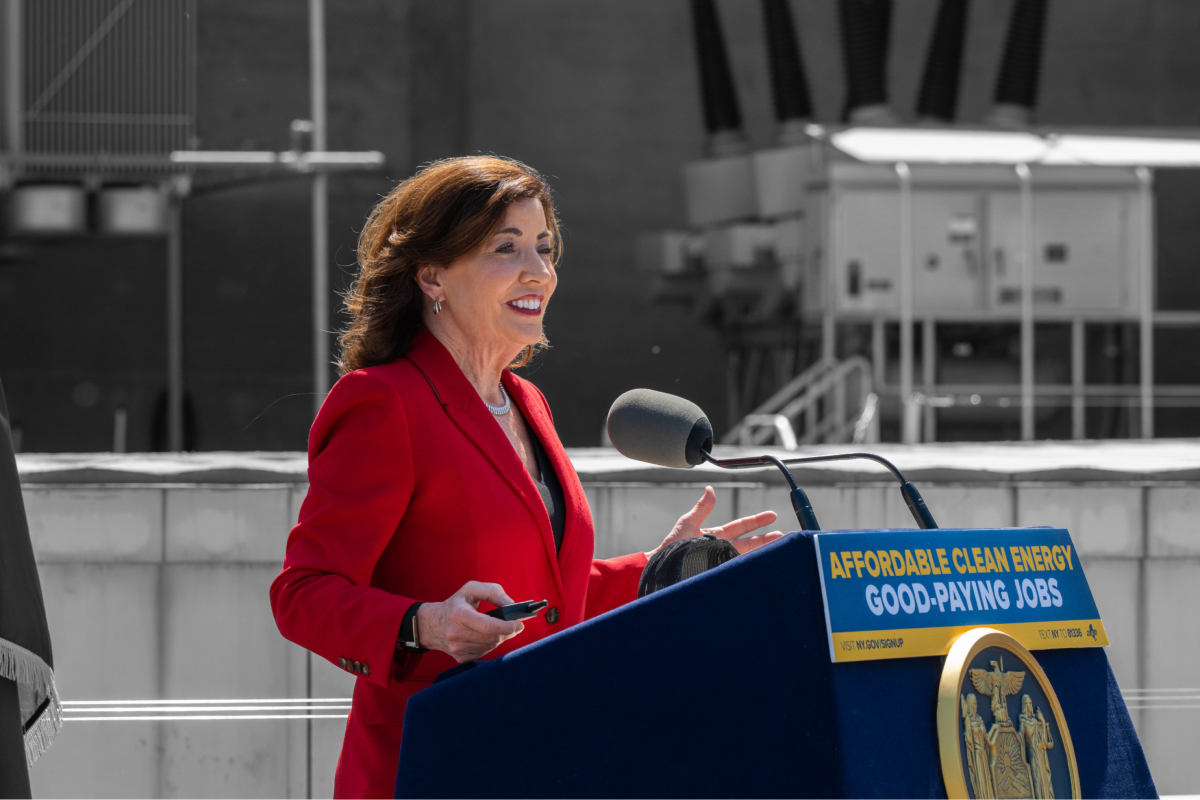
On June 23, Governor Kathy Hochul announced her plan to build New York’s first new nuclear power station in nearly four decades. Photo: Darren McGee/Office of Governor Kathy Hochul
Building nuclear will test whether New York state is still capable of constructing megaprojects as it has done in the past.
By Alexander C. Kaufman

In late June, Governor Kathy Hochul vowed to build New York’s first new nuclear power station in nearly four decades, advancing one of the most aggressive plans by any state to revitalize the US’s stagnant atomic energy industry.

Standing before the state’s largest generating station, the hydroelectric Niagara Power Project, Hochul announced that she was directing the New York Power Authority, or NYPA, to study where and how to build a plant that would add one gigawatt of atomic energy — enough to power 1 million homes — to the state’s grid by 2040.

New manufacturing, data centers, and electrification are set to cause a surge in New York’s electricity demand right as the closure of the Indian Point nuclear plant and older fossil fuel plants bring once-dependable generation offline. Progress on new renewables remains slow. If the state doesn’t “radically increase” its supply of electricity over the next 15 years, Hochul said, “we will see rolling blackouts.”

“Some people say you can’t clean the grid and grow it at the same time. Sounds like defeatism to me,” she said. “This is New York. That’s not how we think. We don’t back down from the hard problems. We solve them and we build bigger and bolder than anyone could have imagined.”

The announcement kicked off a process that will test whether New York is still capable of building megaprojects — like the giant Niagara hydroelectric station, which NYPA built in just three years in the 1950s.

Before New York can start work on its next nuclear plant, NYPA will need to decide what type of reactor technology to pursue and select a site. Then, the agency will have to select contractors, broker a deal likely worth billions of dollars that the governor may need to win from the legislature during budget negotiations, and potentially bring in a private partner to co-finance the project.

Recent Stories

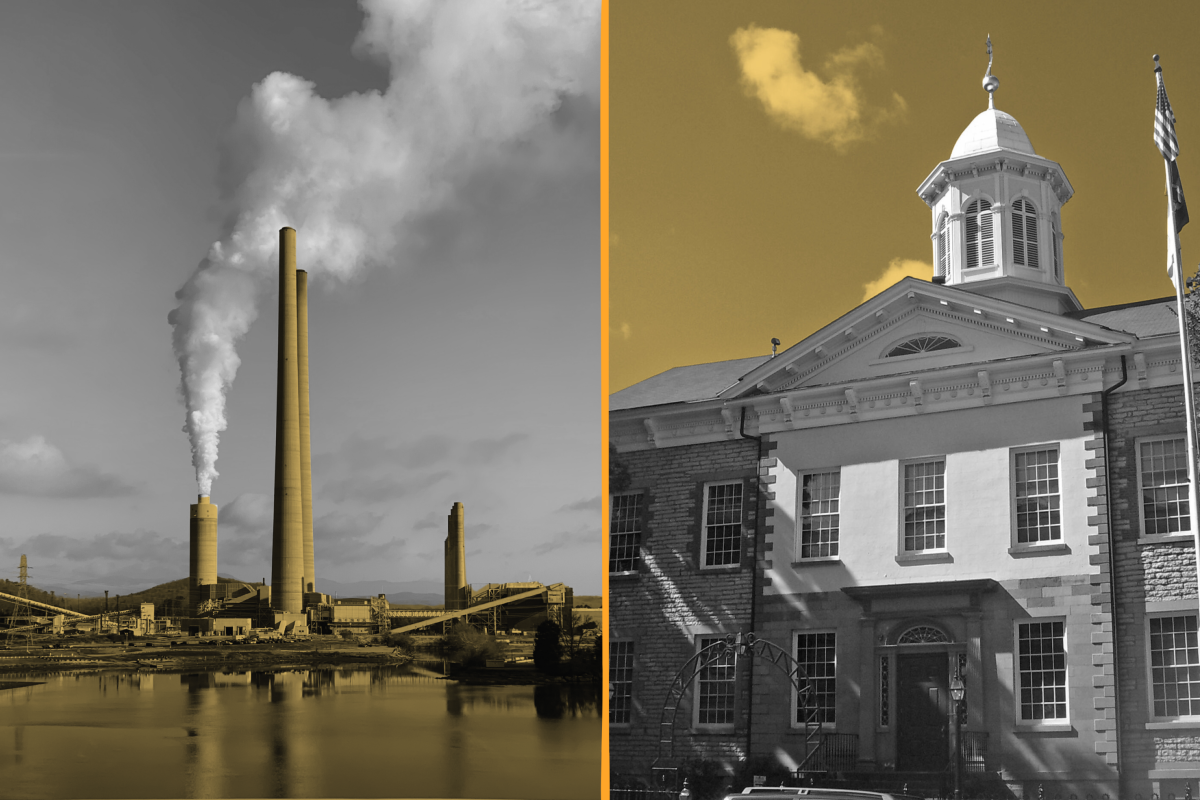
On Friday, an Ulster County judge will hear arguments in a lawsuit that could decide whether the state is forced to act on its 2019 climate law. Photos: Wes McKeehan/Pexels; Daniel Case/Wikimedia Commons | Illustration: Leor Stylar
As environmental justice groups seek to compel the state to follow its climate law, the Hochul administration is set to argue that it deserves a pass.
By Colin Kinniburgh

Will New York follow its climate law, once hailed as one of the most ambitious in the world? Or will it be allowed to keep stalling on its legal obligations to cut greenhouse gas emissions?

That may be up to an Ulster County judge, who on Friday will hear oral arguments in a lawsuit brought by four environmental and climate justice groups over the state’s failure to act on one of the core mandates of the 2019 Climate Leadership and Community Protection Act.

The lawsuit comes after Governor Kathy Hochul in January slammed the brakes on what was expected to be her signature policy to implement the law: cap and invest.

The program would charge polluters for their carbon emissions and put the proceeds toward the clean energy transition. It was designed to meet one of the climate law’s key requirements, namely that the state issue regulations to achieve steep emissions cuts over the next several decades.

Those rules were supposed to be in place by 2024, a deadline the state blew past. The Hochul administration was finally gearing up to unveil the rules at the start of this year — but instead reversed course over concerns that the carbon pricing program would drive up everyday costs for New Yorkers.

Hochul promised at the time that she was just pressing pause. “We have to get this right,” she told reporters at the time. “Because I believe that other states will be looking at us as a model as well.”

As the year has gone on, though, Hochul’s administration has backed further away from the policy. A draft of the new state energy plan, released Wednesday, mentions it only in passing, as an option the state should “continue to evaluate.”

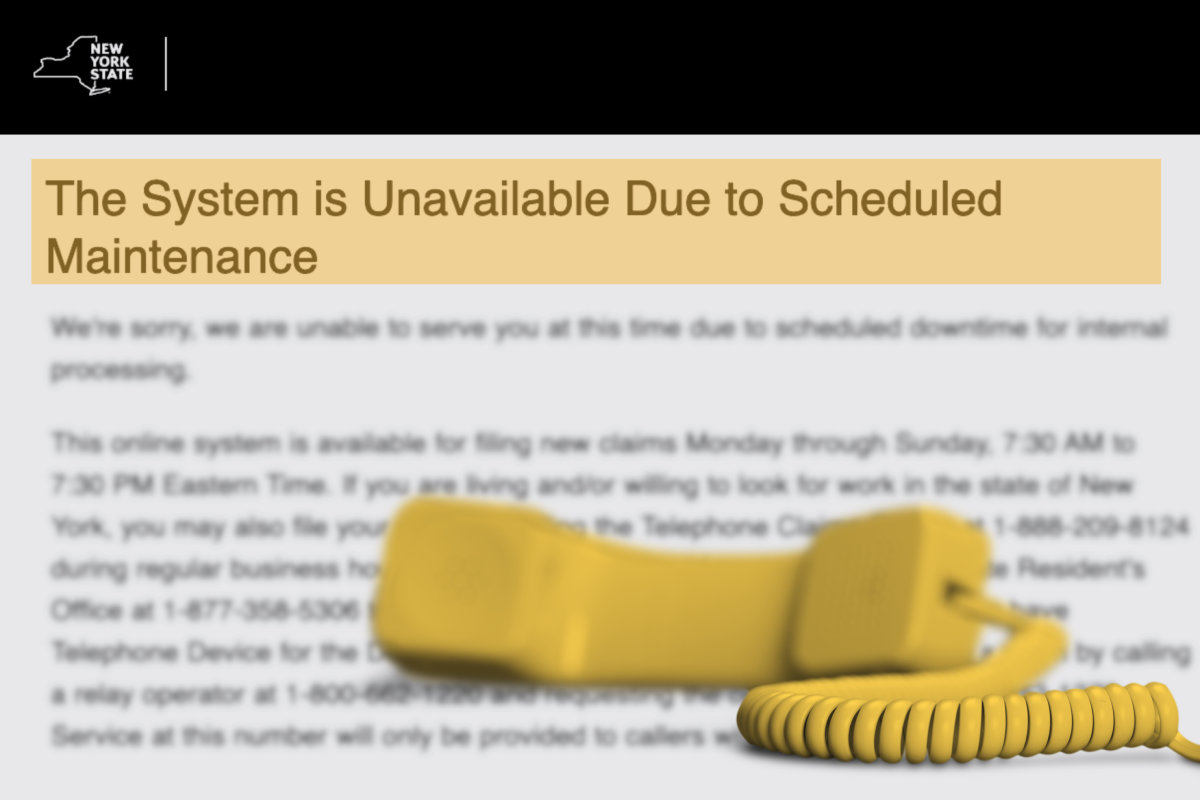
New York Focus reported earlier this month that it can feel nearly impossible for New Yorkers applying for unemployment to get someone on the phone. Screenshot: New York state Department of Labor; Photo: Billion Photos/Canva | Illustration: Leor Stylar
And the delays have gotten worse in recent months.
By Julia Rock

New York has become one of the slowest states in the country to pay unemployment benefits.

Only six states have been slower to start sending unemployment checks this year, according to federal Labor Department data. The agency considers a payment timely if someone receives it within 21 days of filing a claim.

New York paid 64 percent of eligible people within that time frame in the first half of this year — far below the 87 percent benchmark that the federal government considers “acceptable.”

Several unemployed New Yorkers who spoke to New York Focus described having to rely on savings or family members to pay bills while they waited weeks or months for their benefit.

“Workers have bills to pay,” said Amy Traub, a senior researcher with the National Employment Law Project who focuses on unemployment insurance. “Their landlord isn’t interested in a story about how their unemployment check is late.”

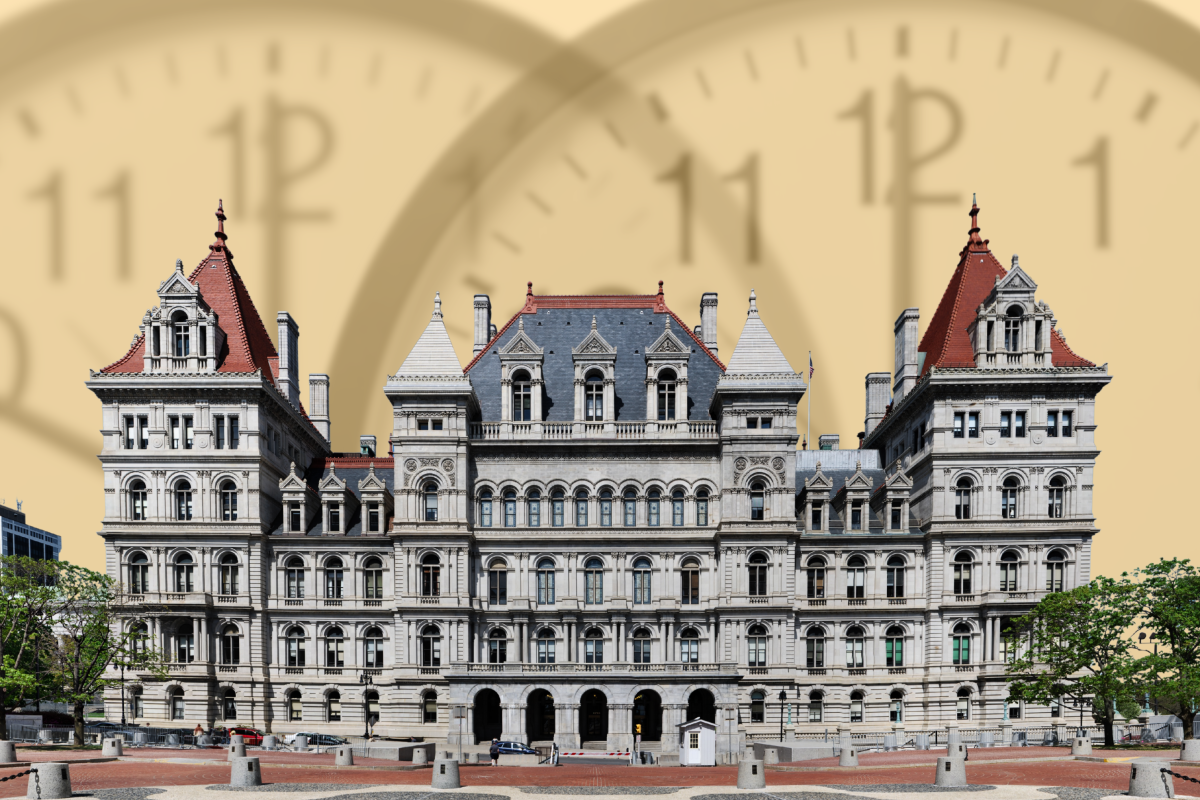
Neither top legislators nor Governor Kathy Hochul have laid out a clear vision for addressing impending federal cuts. Photos: Visual Field/Getty; Matt H. Wade/Wikimedia Commons | Illustration: Leor Stylar
Fiscal advocates warn the governor and state lawmakers against punting a difficult discussion on how to deal with imminent cuts.
By Jie Jenny Zou

Top lawmakers don’t seem to be in a rush to figure out how to handle impending federal cuts.

On July 4, President Donald Trump signed the One Big Beautiful Bill Act into law, enacting over $1 trillion in historic cuts to Medicaid and the Supplemental Nutrition Assistance Program (SNAP) and forcing states like New York to rethink their largest and oldest safety net programs.

So far, neither top legislators nor Governor Kathy Hochul have laid out a clear vision for what comes next. New York Focus spoke to fiscal advocates to get their take on how the state should move forward.

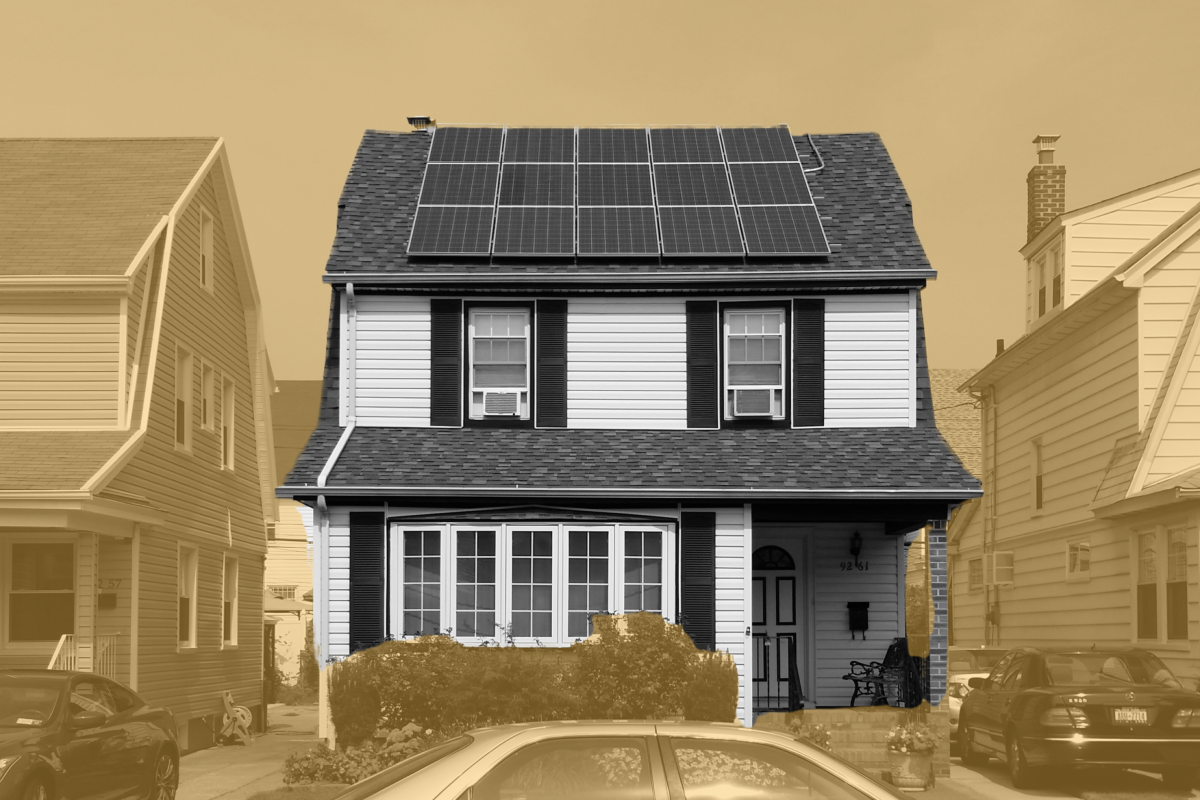
A residential home with rooftop solar panels in Queens Village, NY. Photo: Matt Green/Flickr | Illustration: Leor Stylar
Attyx, formerly known as SUNCo, is set to lose its license to operate in the state over what regulators called “false and misleading” sales pitches.
By Colin Kinniburgh

A rooftop solar company with a vexed history could soon be out of business in New York.

On Tuesday, utility regulators moved to strip Attyx, formerly known as SUNco, of its license to operate in the state unless it can prove within 30 days why it should be allowed to stay in business.

Regulators accused the company of “misleading or deceptive” marketing that led homeowners to sign up for solar under the false pretext that they would get their roofs replaced for free, thanks to generous government incentives.

Tuesday’s order from the Public Service Commission, the seven-member panel that regulates New York energy companies, said the state had received numerous customer complaints about Attyx’s practices.

Thousands of New York state corrections officer positions remain unfilled, and the agency has struggled to resume normal operations. Screenshot: NYS Department of Corrections and Community Supervision | Illustration: New York Focus
The prison agency’s security ranks are 4,700 corrections officers and sergeants short of what it says it needs to run every program and housing area effectively.
By Chris Gelardi

In February, thousands of New York state prison guards walked off their jobs. With no officers to watch over daily operations, officials locked incarcerated people in their cells for days at a time. Governor Kathy Hochul deployed 6,000 National Guard troops, who assisted skeleton crews in trying to keep more than 30,000 prisoners fed and showered. At least seven incarcerated people died amid the chaos.

The wildcat strike ended after three weeks. Yet four months later, thousands of officer positions remain unfilled, and the state prison agency has struggled to resume normal operations, recent court records show.

Copyright © New York Focus 2024, All rights reserved.
Staying Focused is compiled and written by Alex Arriaga
Contact Alex at alex@nysfocus.com

Feedback? Tips? Pitches? Contact us at: editor@nysfocus.com

Support our work!

Interested in sponsoring these emails? Get in touch! Email editor@nysfocus.com.

This email was sent to *|EMAIL|*

unsubscribe from this list  ·  update subscription preferences

New York Focus · *|HTML:LIST_ADDRESS_HTML|* · USA