Trump Administration Illegally Scrapped Protections for Abused Immigrant Youth, Judge Finds

The ruling allows young immigrants who have suffered abuse and neglect to apply for protections from deportation — at least for now.

Isabelle Taft   ·   November 20, 2025
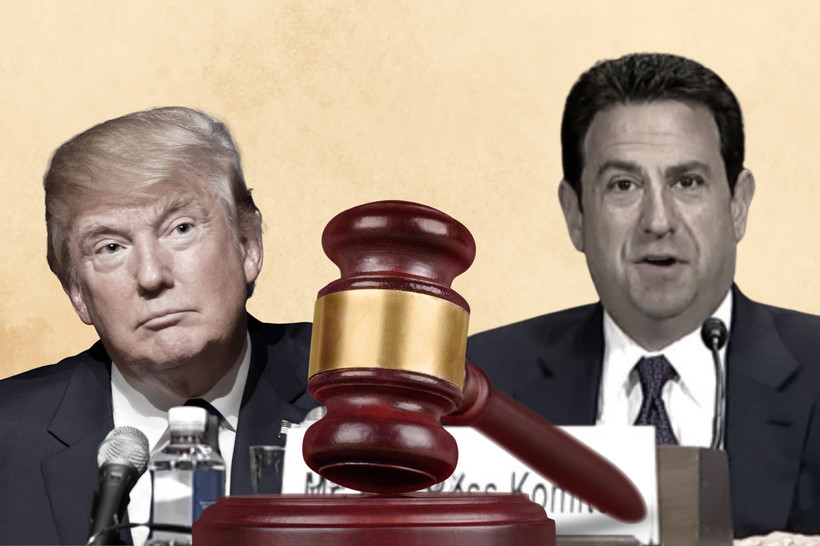
President Donald Trump stopped granting those protections to SIJ recipients earlier this year. | Photos: U.S. Senate Judiciary Committee; Michael Vadon/Wikimedia Commons; Billion Photos | Illustration: New York Focus

Sign up for Staying Focused, our newsletter keeping readers up to speed on New York politics.

A federal judge ordered the Trump administration on Wednesday to resume reviewing protection requests from young immigrants who suffered abuse or neglect, finding it violated federal law when it abruptly stopped doing so earlier this year. But the longer-term future of the program — and of the thousands of young New Yorkers who benefit from it — remain uncertain.

The case concerns the Special Immigrant Juvenile status, a designation available to immigrants who have been abused or neglected by at least one parent and apply before turning 21. The designation opens a pathway to permanent residency, but there’s a tight limit on the visas available to SIJ recipients each year, and they often spend years in limbo. Under President Joe Biden’s administration, they were automatically considered for deferred action, which offers protection from deportation and potential work permits, while they waited to apply for a green card.

President Donald Trump stopped granting those protections to SIJ recipients earlier this year. A group of recipients, including five New Yorkers, filed a class action lawsuit challenging the reversal. Judge Eric Komitee, a Trump appointee to New York’s Eastern District, largely sided with the plaintiffs; he found that the administration did not adequately consider how reversing the policy could affect young people, employers, and even state governments. He also found that the government “acted unlawfully” when it quietly stopped conducting deferred action determinations in April, well before it publicly announced a policy change in June.

“The government does not dispute that, for at least a two-month period, it did not follow its own internal procedures concerning deferred action for SIJS recipients,” Komitee wrote in his order. “In other words, it does not dispute that it acted unlawfully.”

The case has high stakes for New Yorkers. The state is home to more than a fifth of all SIJ petitioners, more than any other state.

The order is not the end of the lawsuit. Komitee will continue considering other aspects of the case, and the Trump administration could appeal his decision. A spokesperson for the Department of Justice declined to comment.

Rachel Leya Davidson, counsel for the plaintiffs and director of the End SIJS Backlog coalition at the National Immigration Project, called the order “a significant first step.”

“The court’s ruling that the 2022 SIJS deferred action policy must be reinstated while this lawsuit continues is a rebuke of the government’s unlawful actions and failure to consider the harms of those actions on tens of thousands of immigrant youth across the country,” Davidson said.

On Wednesday night, a 21-year-old from Mali whose SIJ petition was approved in July was initially jubilant as he read Komitee’s order: Now, it appeared, the government would consider his application for deferred action. But his excitement was tempered as he kept reading.

Komitee declined to impose a timeline for the government to issue decisions on deferred action applications, raising the possibility that the administration could drag the process out for months — and try to deport applicants while they wait.

A spokesperson for US Citizenship and Immigration Services, which evaluates SIJ petitions and deferred action applications, praised the judge’s decision not to establish a timeline in a statement to New York Focus on Friday, after this article was first published. He did not answer a question about whether USCIS would resume conducting deferred action determinations, as the judge ordered.“

Refusing the plaintiff’s request to quickly adjudicate these cases is a step in the right direction,” the spokesperson, Matthew J. Tragesser, wrote.

Tragesser also echoed claims the agency made in an unusual report published this summer, claiming SIJ posed “national security threats.”

“The SIJ program is infected with fraud and abuses as hundreds of suspected and confirmed adult gang members received status under Biden administration,” Tragesser wrote.Of the more than 300,000 SIJ petitions filed from 2013 through earlier this year, USCIS identified 853 “known or suspected gang members” — just 0.3 percent — according to the report. Advocates for immigrant youth said those statistics show SIJ beneficiaries are overwhelmingly law-abiding.

Komitee’s order expressed openness to the government’s claims that the deferred action program was itself unlawful, writing that its “questionable legality was likely reason enough for USCIS to seek to rescind the policy.”

The young Malian, who asked not to be identified for fear of reprisal, suspects that Komitee will ultimately allow Trump to kill the deferred action program.

“So he gives us a little bit of hope while at the same time preparing to slaughter us,” said the young man, who attended oral arguments in the case in September.

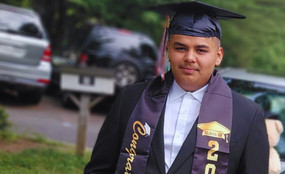
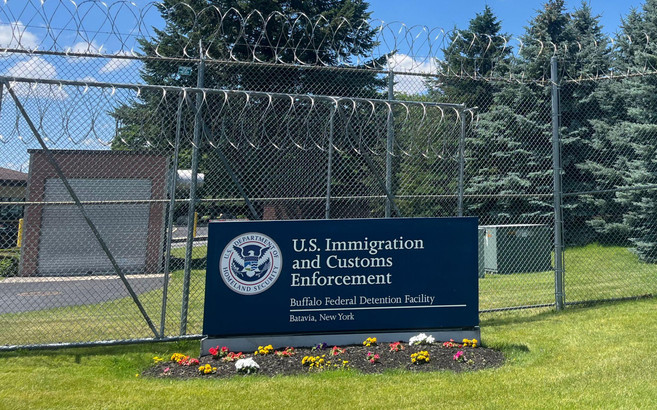
Some New Yorkers with SIJ status and deferred action have been detained by ICE, including Carlos Guerra Leon, an 18-year-old recent high school graduate in Spring Valley. He was held in detention in Louisiana from early August through the end of October, when he returned home after a federal judge declared his confinement “unlawful.”

Update: November 21, 2025 — This article was updated to include comment from a USCIS spokesperson received after publication.

At New York Focus, our central mission is to help readers better understand how New York really works. If you think this article succeeded, please consider supporting our mission and making more stories like this one possible.

New York is an incongruous state. We’re home to fabulous wealth — if the state were a country, it would have the tenth largest economy in the world — but also the highest rate of wealth inequality. We’re among the most diverse – but also the most segregated. We passed the nation’s most ambitious climate law — but haven’t been meeting its deadlines and continue to subsidize industries hastening the climate crisis.

As New York’s only statewide nonprofit news publication, our journalism exists to help you make sense of these contradictions. Our work scrutinizes how power works in the state, unpacks who’s really calling the shots, and reveals how obscure decisions shape ordinary New Yorkers’ lives.

In the last two decades, the number of local news outlets in New York has been nearly slashed in half, allowing elected officials and powerful individuals to increasingly operate in the dark — with the average New Yorker none the wiser.

We’re on a mission to change that. Our work has already shown what can happen when those with power know that someone is watching, with stories that have prompted policy changes and spurred legislation. We have ambitious plans for the rest of the year and beyond, including tackling new beats and more hard-hitting stories — but we need your help to make them a reality.

If you’re able, please consider supporting our journalism with a one-time gift or a monthly gift. We can't do this work without you.

Thank you,

Akash Mehta
Editor-in-Chief
A photo of Akash Mehta.
A photo of Isabelle Taft.
Isabelle Taft covers immigration for New York Focus. She’s also a corps member with Report for America, a national program that places reporters in local newsrooms. She previously covered national news as a fellow at the New York Times, worked on the health… more
Also filed in New York State

At a Board of Regents meeting Monday, state officials proposed eliminating credit-based diploma requirements.

The last-minute influx, the biggest ever for a legislative primary, is boosting her opponent, Jessica González-Rojas.

City budget gaps and an ambitious affordability agenda may require pressing Albany again for taxes and aid.

Also filed in Immigration

A lawsuit accuses federal officials of ignoring evidence that the boy, born in Mexico, held US citizenship through his mother.

We’ve compiled information for the 450,000 New Yorkers who will lose health care coverage on July 1.

In May, state lawmakers passed a $269 billion budget after haggling for months over thousands of line items and policies affecting New Yorkers.