After New York Focus Investigation, Governor and Lawmakers Call for Consequences in Horse Doping Case

State regulators ignored FBI evidence of horse drug purchases for years. That was a “huge failing,” a key assemblymember said.
Sam Mellins   ·   January 16, 2026
Photo of Carrie Woerner
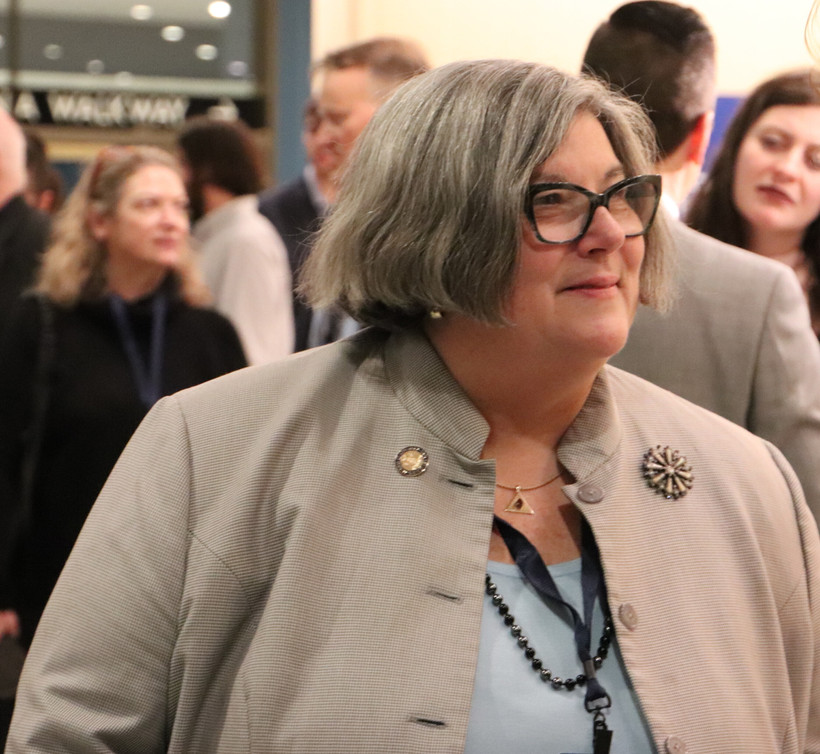
Carrie Woerner chairs the Committee on Racing and Wagering. | Chris Gelardi/NY Focus

Sign up for Staying Focused, our newsletter keeping readers up to speed on New York politics.

Governor Kathy Hochul and the state lawmakers who oversee horse racing expressed serious concern this week about regulators’ failure to investigate buyers of illegal horse drugs. Their comments came after New York Focus revealed that key evidence from an FBI investigation into an international horse doping ring sat untouched for years.

In 2023, a former FBI agent sent state racing regulators documents showing that numerous horse owners and trainers who operate in New York had purchased illegal drugs meant to make their horses run faster.

The veterinarian who sold the drugs, Seth Fishman, was prosecuted and sentenced to 11 years in prison. But many of his customers faced no consequences, and have continued to race and win money in New York and other states. Since Fishman’s conviction, the hundreds of horse trainers and owners implicated in the scandal have won at least $40 million in racing prizes.

After ignoring the evidence for over two years, the New York Gaming Commission has now opened an investigation, and the inspector who shelved the records has been placed on administrative leave.

Governor Hochul’s spokesperson Sean Butler said that Hochul “has zero tolerance for rule-breaking, and that includes doping in horse racing.”

“An investigation is underway and we expect it to be thorough, with consequences if wrongdoing is found,” Butler added.

Photo of Senator Joseph Addabbo
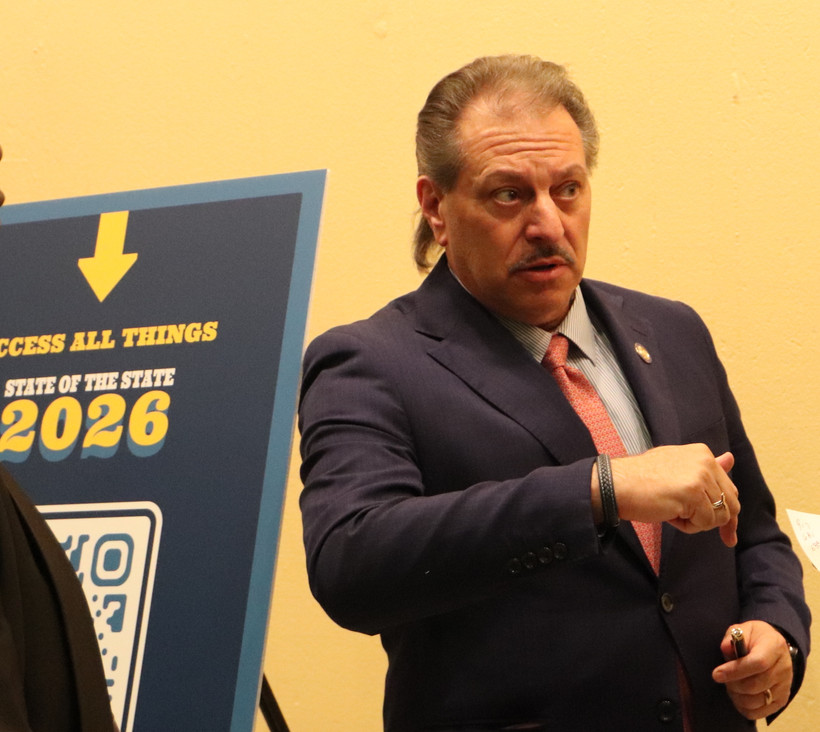
Senator Joseph Addabbo chairs the Committee on Racing, Gaming, and Wagering. | Chris Gelardi/NY Focus

Assemblymember Carrie Woerner, who chairs the Committee on Racing and Wagering, said these events amounted to a “huge failing” by the gaming commission.

“I don’t know how the paper trail got lost, but I read in your article that they are now pursuing it, and I think that’s great,” Woerner told New York Focus. “If the allegations are proven to be true, then there should be consequences.”

Woerner suggested that gaming regulators should ban proven drug purchasers from participating in racing, and said that the bans could be either permanent or temporary, depending on the severity of the offense.

Senator Joseph Addabbo, who chairs the Committee on Racing, Gaming, and Wagering, declined to comment on the specifics of the case, citing the pending investigation, but said that “anybody who goes above and beyond and breaks a law, or a rule” should face “consequences for their actions.”

Purchasing unlicensed horse drugs is a violation of federal law, regardless of whether the drugs are actually used. New York racing regulators are also permitted to deny racing licenses to anyone they choose if they determine that it is in “the best interests of racing” to do so.

In an email, gaming commission spokesperson Lee Park told New York Focus that the commission “shares the view of these lawmakers that doping infractions warrant serious consequences.” Regulators are “conducting a thorough investigation into this matter, which remains ongoing,” he added.

BEFORE YOU GO, consider: If not for the article you just read, would the information in it be public?

Or would it remain hidden — buried within the confines of New York’s sprawling criminal-legal apparatus?

I started working at New York Focus in 2022, not long after the outlet launched. Since that time, our reporters and editors have been vigorously scrutinizing every facet of the Empire State’s criminal justice institutions, investigating power players and the impact of policy on state prisons, county jails, and local police and courts — always with an eye toward what it means for people involved in the system.

That system works hard to make those people invisible, and it shields those at the top from scrutiny. And without rigorous, resource-intensive journalism, it would all operate with significantly more impunity.

Only a handful of journalists do this type of work in New York. In the last decades, the number of local news outlets in the state has nearly halved, making our coverage all the more critical. Our criminal justice reporting has been cited in lawsuits, spurred legislation, and led to the rescission of statewide policies. With your help, we can continue to do this work, and go even deeper: We have endless ideas for more ambitious projects and harder hitting investigations. But we need your help.

As a small, nonprofit outlet, we rely on our readers to support our journalism. If you’re able, please consider supporting us with a one-time or monthly gift. We so appreciate your help.

Here’s to a more just, more transparent New York.

Chris Gelardi
Justice Bureau Chief
A photo of Chris Gelardi
A photo of Sam Mellins.
Sam Mellins is senior reporter at New York Focus, which he has been a part of since launch day. His reporting has also appeared in The San Francisco Chronicle, The Intercept, THE CITY, and The Nation. Reach him on Signal: mellins.613
Also filed in Criminal Justice

In May, state lawmakers passed a $269 billion budget after haggling for months over thousands of line items and policies affecting New Yorkers.

The legislation would make it easier for currently and formerly incarcerated people and child victims to sue the state over allegations of past abuse.

It’s unclear whether the Correctional Association of New York will have to scale back its nascent reform initiatives.

Also filed in New York State

A lobbyist who has been romantically linked to Assembly Speaker Carl Heastie led a rally opposing the legislation a week before the speaker declined to bring it to a vote.

Millions in outside spending was a boon to Gov. Kathy Hochul’s 2022 opponent, Lee Zeldin, and influenced down-ballot races.

State leaders are expected to pass a bill that avoids resolving how much Resorts World New York City needs to pay.