New York Shores Up Funding for Key Energy Efficiency Program

The state plans to stabilize the Empower+ program with a record amount of money from the pollution pricing program RGGI.

Colin Kinniburgh   ·   December 23, 2025
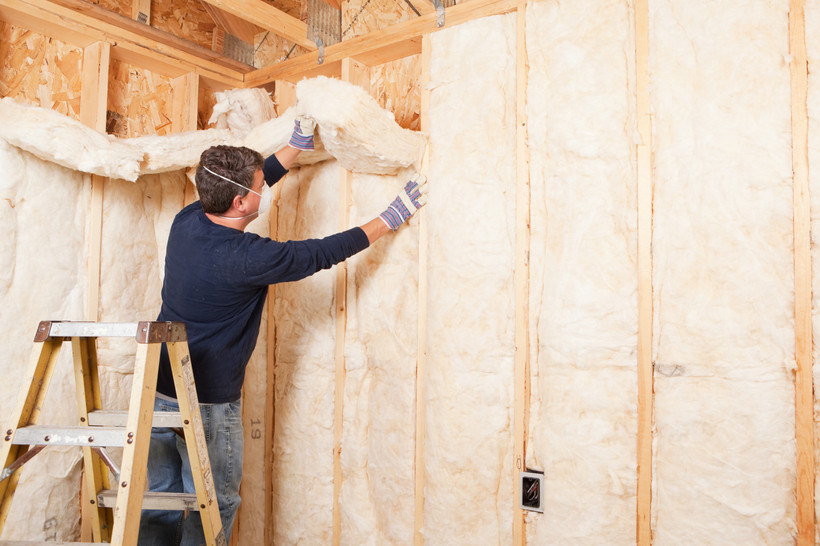
A man wearing a mask installs pink fiberglass insulation on the inside of a home.
The Empower+ program helps low- and moderate-income households pay for energy efficiency upgrades, including home insulation and new appliances. | Photo: BanksPhotos/Getty Images

Sign up for Staying Focused, our newsletter keeping readers up to speed on New York politics.

The Reporters’ Notebook features bite-sized stories and updates from New York Focus reporters on the topics they cover.

A key energy affordability program is getting a lift. New York is planning to steer tens of millions of dollars from a regional pollution pricing program to Empower+, reversing steep cuts to the program that New York Focus first reported over the summer. 

The threatened cuts provoked an outcry from advocates and lawmakers at a time when Governor Kathy Hochul has made energy affordability a priority. The Empower+ program allows low- and moderate-income households to permanently reduce their bills by paying for energy efficiency upgrades, including home insulation and new appliances.

It will get an immediate funding boost, which officials say should be enough to keep the program stable until at least 2027. The additional funding comes from the East Coast cap and trade program RGGI, which requires power plants in 10 states to pay for their greenhouse gas emissions. The participating states recently agreed to renew the program for another decade and tighten the emissions caps, which should generate more revenue.

As a result, the state energy authority NYSERDA now says it plans to put $110 million in RGGI funds toward Empower+ this year and $120 million next year — more than four times the amount announced over the summer. Those annual sums will make Empower+ one of the largest recipients of the cap and trade proceeds.

In a presentation on Thursday, NYSERDA’s David Sandbank said the additional funds would be enough to keep the overall Empower+ budget steady for the next two years. (The program draws from several sources besides RGGI.) The new draft plan would see RGGI funding for Empower+ cut in half in fiscal years 2028 and ’29, however; Sandbank said the state hoped to identify other sources of funding to close the gap by then.

Hochul’s office said the announcement showed her determination to “help families that need it most.”

“At a time when clean energy investments are under attack by Republicans in Washington, the Governor has committed tens of millions of dollars to key programs like EmPower+ to help struggling families and NYSERDA’s action is one way to ensure these critical programs continue into the future,” said spokesperson Ken Lovett.

Lisa Marshall, director of organizing and advocacy at the group New Yorkers for Clean Power, told New York Focus on Friday that she was “elated” at the restored Empower+ funding and the governor’s signature of a bill ending the “100-foot rule” subsidy for new gas hookups.

The moves capped off a year that has seen the governor roll back one major climate policy after another.

“We hope that the area of energy affordability is an area where we can all agree, even if we’re not in agreement on some of the other areas of the governor’s agenda,” Marshall said.

Hochul’s administration is fighting a court order to implement a core part of New York’s climate law, which could bring a RGGI-style carbon pricing program to the state’s entire economy. Such a program could raise billions of dollars a year for programs like Empower+.

Advocates are still planning to push for more Empower+ funding in next year’s budget to keep up with growing enrollment.

I hope this article helped you better answer the question that guides all of our journalism: Who runs New York? Before you click away, please consider supporting our work and making more stories like this one possible.

New York state is standing at a crossroads for climate action. After passing one of the nation’s most ambitious climate laws in 2019, the state is lagging far behind on its targets, struggling to meet deadlines to build renewable energy and clean up its buildings and roads. Other states are closely watching our progress, making decisions about their own climate plans based on New York’s ability to implement this legislation.

As New York’s only statewide nonprofit news publication, we’ve been scrutinizing the state’s climate progress. Our journalism exists to unpack how power works in New York, analyze who’s really calling the shots, and reveal how obscure decisions shape ordinary New Yorkers’ lives.

But we can't do this work without your help. We rely on reader donations to help sustain our outlet, and every gift directly allows us to publish more pieces like this.

Our work has already shown what can happen when those with power know that someone is watching, with my reporting prompting a state investigation and fine for a major corporation. I have more story ideas than I can count, but only limited resources to pursue all the leads that come across my desk.

If you’re able, please consider supporting our journalism with a one-time or monthly gift. Even small donations make a big difference.

Thank you for reading.

Colin Kinniburgh
Climate and Environmental Politics Reporter
A photo of Colin Kinniburgh.
Colin Kinniburgh is a reporter at New York Focus, covering the state’s climate and environmental politics. He has worked in media for more than a decade, across print, television, audio, and online news, and participated in fellowship programs at CUNY’s Graduate School of Journalism… more
Also filed in New York State

A lobbyist who has been romantically linked to Assembly Speaker Carl Heastie led a rally opposing the legislation a week before the speaker declined to bring it to a vote.

In May, state lawmakers passed a $269 billion budget after haggling for months over thousands of line items and policies affecting New Yorkers.

Millions in outside spending was a boon to Gov. Kathy Hochul’s 2022 opponent, Lee Zeldin, and influenced down-ballot races.

Also filed in Climate and Environment

The citizens assembly model, used for public decision-making around the world, is gaining traction in New York.

Governor Kathy Hochul was successful in her bid to upend the Climate Leadership and Community Protection Act after legislators caved to finalize an overall budget deal.

The leader of Reinvent Albany discusses a data center subsidy in Rockland County that flew under the radar for years.

Also filed in Affordability

We’ve compiled information for SNAP recipients in New York on the changing work requirements.

Despite last-ditch efforts by a coalition of lawmakers, the state failed to avert a health coverage cliff coming this summer.

The Hochul administration now has a chance to relax New York’s child care staffing ratios — among the country’s strictest — after 26 years. But will it?