
There are 1,500 families on the program waitlist in New York City alone, new state data shows.
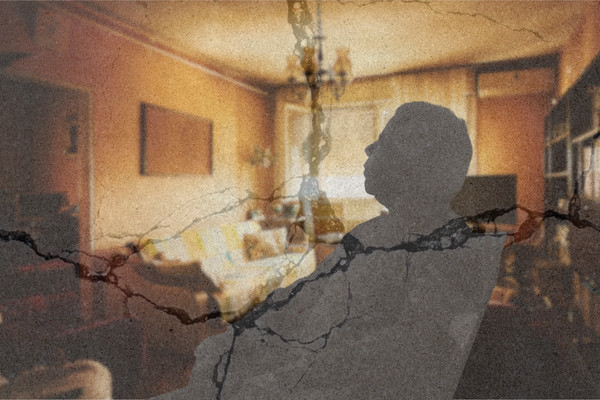
Poverty rates among New York’s aging population are rising as the federal government pares back support for longstanding social service programs.
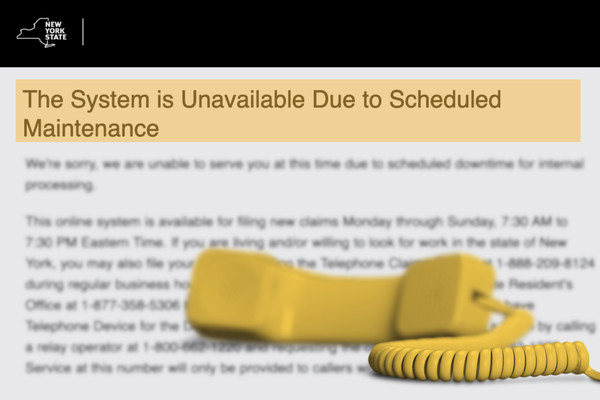
And the delays have gotten worse in recent months.
Fiscal advocates warn the governor and state lawmakers against punting a difficult discussion on how to deal with imminent cuts.
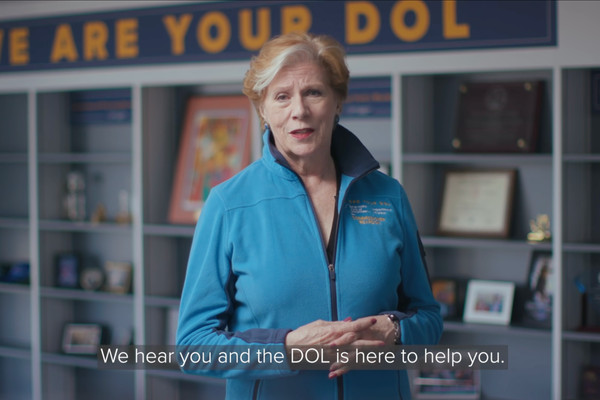
One week in June, only a third of the people who called the Labor Department’s unemployment help line reached a real person.
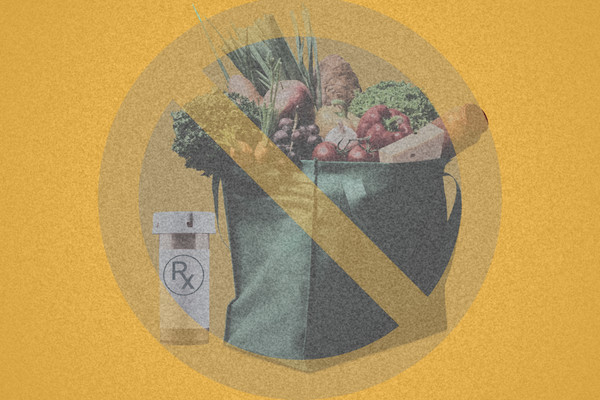
New York is staring down billions in lost federal funding for Medicaid and food assistance over the next decade

New Yorkers across the state describe how sweeping federal cuts to Medicaid and food assistance could derail their lives.
The state’s efforts around reentry healthcare have stalled and face an uphill battle under the Trump administration.

Social services agencies across the state now place nearly half of all individuals and families seeking shelter in hotels, leaving people without resources like food and help finding housing.

Statewide spending on hotels has more than tripled in recent years. The shift away from shelters has prevented families from accessing services like child care and help finding housing.

The state has left defrauded food stamp recipients to fend for themselves. Internal agency emails point to a long-simmering effort riddled with delays.
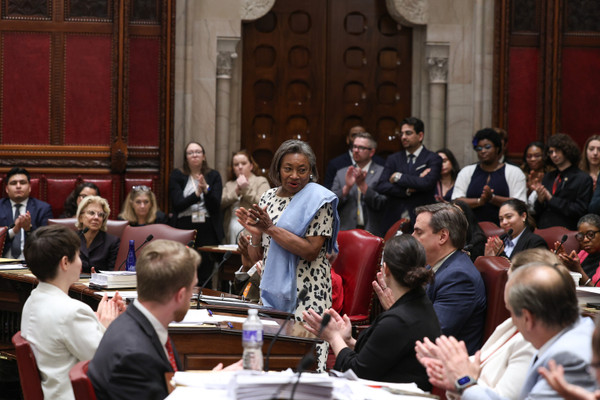
The bill package will now head to Governor Kathy Hochul’s desk, and she could either sign, veto, or scale it back through amendments to the legislation.
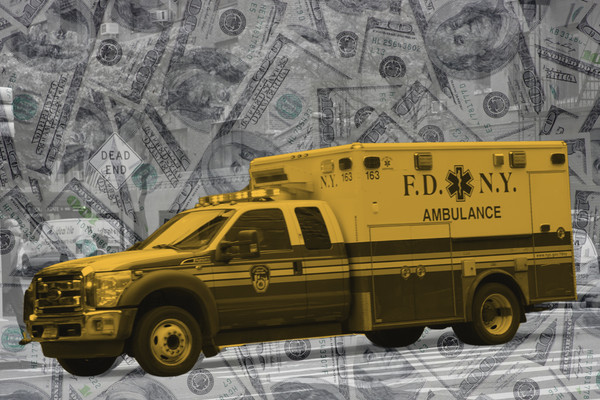
Nonprofit hospitals are required to help those struggling with medical debt, but critics say their policies are poorly advertised and underutilized.
Learn the income thresholds, deadlines, and free support services that help New Yorkers shave down or sometimes completely erase medical debt.

From nursing homes to Planned Parenthood clinics, rural health care in Upstate New York could collapse under proposed Republican budget changes.
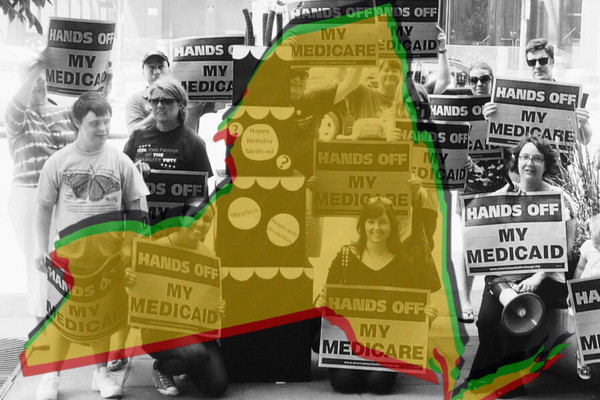
If enacted, the cuts could topple the safety net for New York’s most vulnerable and upend the state’s newly passed budget.
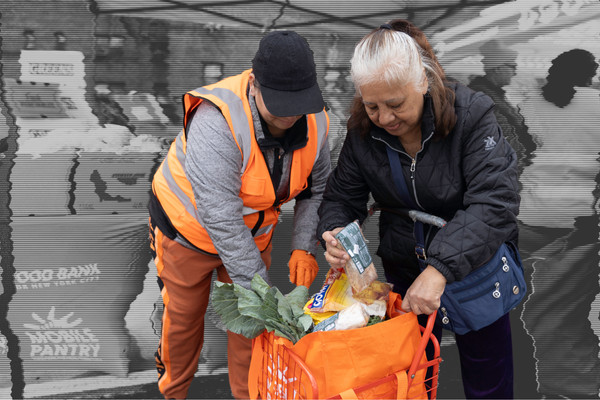
The Trump administration has dealt a blow to the state’s food bank network, which supports around 3 million New Yorkers.
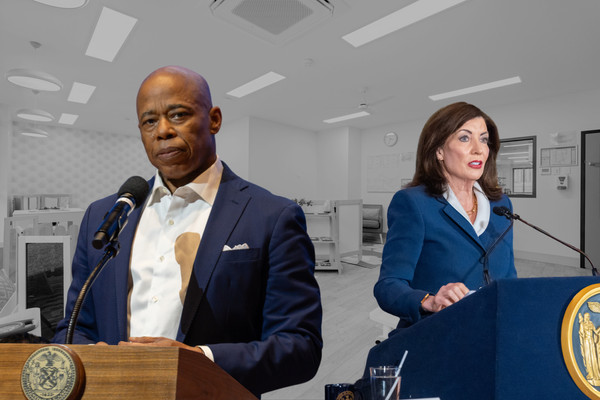
The state budget, finalized this week, increased the spending requirement on the city for the first time since the 1990s.
The final budget stops short of what legislators and advocates hoped for and appears to reflect more of Governor Hochul’s funding priorities.
In some counties, the waitlist for state-funded mental health treatment programs can exceed two years.